How to Do Luxury Camping: A Guide to Glamping
 Nov, 5 2026
Glamping Style Finder
Not sure which luxury camping setup is right for you? Select your priorities below to find your ideal match.
Your Recommended Match
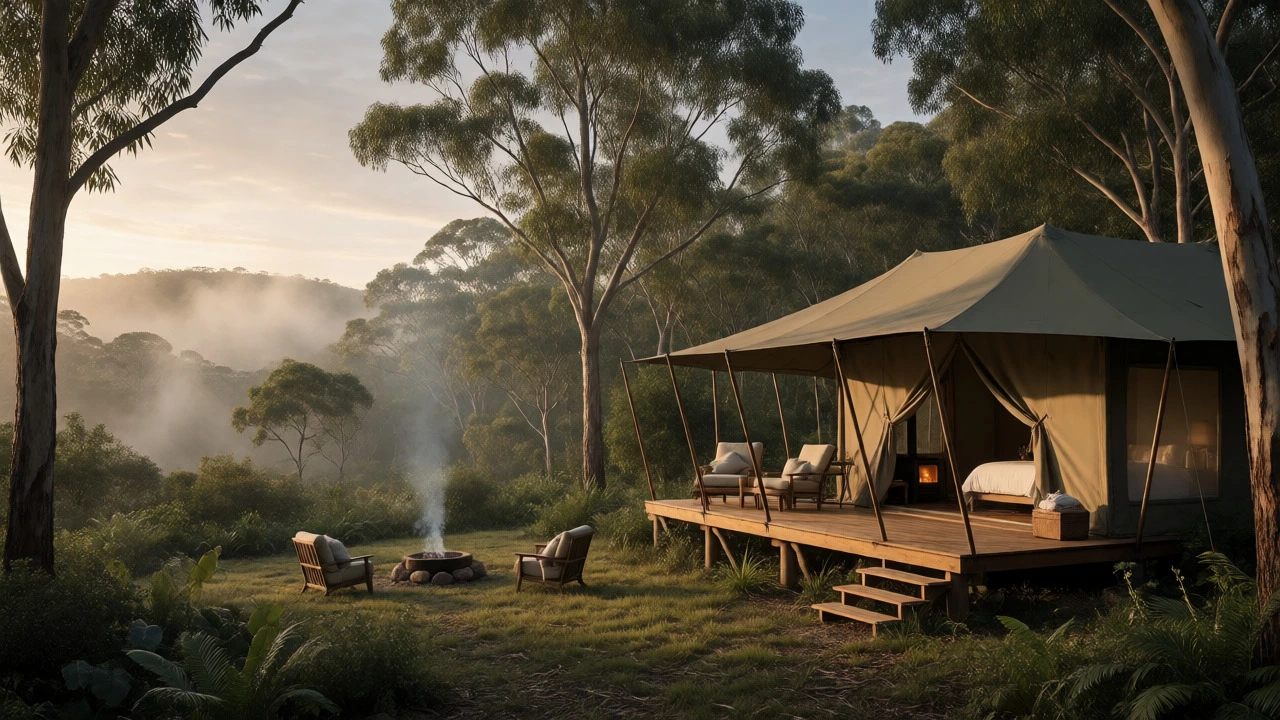
Imagine waking up not to the damp chill of a nylon tent floor, but to the soft rustle of linen sheets and the gentle warmth of a wood-burning stove. You step outside onto a wooden deck, coffee in hand, watching mist roll off the hills. No tangled guy lines, no leaking zippers, just pure nature with a side of room service. This is luxury camping, also known as glamping, which combines the proximity to nature found in traditional camping with the amenities and comfort of high-end hotels.
If you have ever wanted to sleep under the stars without sacrificing your back or your sanity, you are in the right place. We are going to break down exactly how to do luxury camping, whether you are booking a site or building your own setup. It is not about being lazy; it is about curating an experience where the discomforts of the wild are stripped away, leaving only the beauty.
What Actually Counts as Luxury Camping?
Let’s clear up the confusion first. Glamping isn’t just one thing. It spans a wide spectrum, from a yurt with a proper bed to a safari tent with a private hot tub. The core definition remains consistent: it is camping that provides significant comforts and services typically associated with hospitality venues rather than raw wilderness survival.
In Australia, where we live close to some of the world’s most stunning landscapes, this trend has exploded. Places like Margaret River or the Kimberley offer sites that feel more like boutique resorts than campsites. But you don’t need to fly to Bali to get this vibe. You can find luxury setups in Western Australia’s forests or even in your backyard if you bring the right gear.
The key differentiator here is effort. Traditional camping requires you to be the architect, engineer, and chef of your environment. Luxury camping shifts that burden to the host or your equipment. If you aren’t spending thirty minutes setting up poles before dark, you’re likely on the right track.
Choosing Your Style: Tent vs. Structure
Once you decide to upgrade your outdoor experience, the first major decision is the structure itself. There is no single "best" option; it depends entirely on what kind of comfort you value most.
| Structure Type | Comfort Level | Weather Protection | Best For |
|---|---|---|---|
| Safari Tent | High (Real beds, furniture) | Moderate to High (Canvas walls) | Families, couples wanting space |
| Yurt | Medium-High (Circular, cozy) | High (Insulated felt/fabric) | Cold climates, communal vibes |
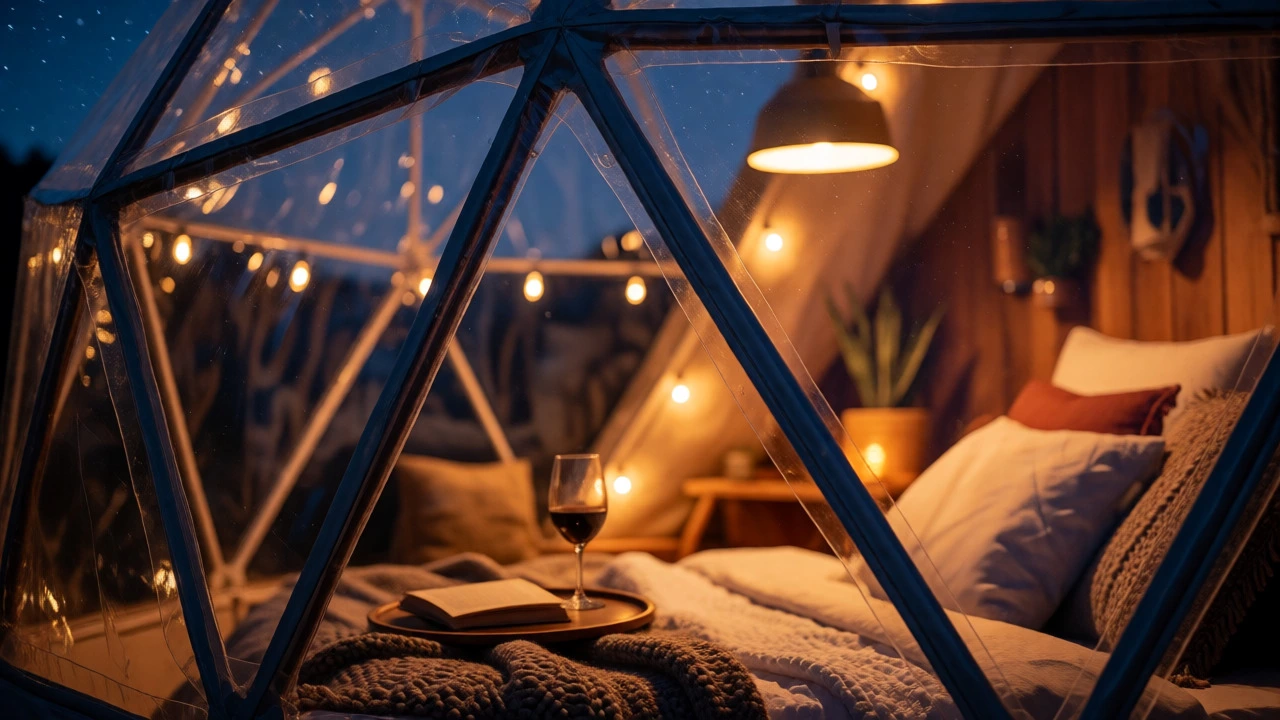
| Geodesic Dome | Medium (Modern aesthetic) | Variable (Often acrylic windows) | Stargazers, design enthusiasts |
| A-Frame Cabin | Very High (Wooden construction) | Excellent (Solid walls) | Rainy seasons, privacy seekers |
| Treehouse | Unique Experience | Depends on build quality | Adventure seekers, photographers |
Safari tents are the gold standard for many because they often come pre-furnished with actual mattresses, bedside tables, and sometimes even air conditioning. They give you the visual thrill of sleeping in a tent without the physical toll.
Yurts, originally from Central Asia, have been adapted globally for their durability and insulation. They are fantastic for cooler nights because the circular shape retains heat efficiently. However, they can feel cramped if you have too much luggage.
If you are worried about rain, look for A-frame cabins or solid lodges. These blur the line between camping and renting a holiday home. You still get the rustic charm-wooden beams, stone fireplaces-but you won’t wake up with wet socks.
Booking the Right Site: What to Look For
Not all sites labeled "luxury" deliver the goods. Some are just regular campsites with a fancy name tag. To ensure you get the real deal, you need to scrutinize the amenities list carefully. Here is a checklist of non-negotiables for a true luxury experience:
- Proper Bedding: Ask if they provide linens and pillows. High-thread-count sheets make a massive difference after a day of hiking.
- Heating/Cooling: Does the unit have a heater? Air conditioning? In places like Perth, summer heat can be brutal, while winter nights in the bush get surprisingly cold.
- Private Facilities: Shared ablution blocks kill the vibe quickly. Look for en-suite bathrooms or at least exclusive access to clean showers and toilets.
- Power Supply: Reliable electricity for charging devices and running appliances is essential. Solar-powered setups are great, but check the battery capacity if you plan to use hair dryers or electric kettles.
- Outdoor Living Space: A deck, patio, or fire pit area extends your living space into nature. This is where you will spend most of your evening.
Read recent reviews specifically looking for comments on cleanliness and maintenance. A broken heater or a stained mattress can ruin a premium price tag instantly. Also, consider the location relative to attractions. Luxury camping should enhance your exploration, not isolate you so far from civilization that you spend three hours driving to dinner every night.
DIY Glamping: Building Your Own Setup
Maybe you already own a good tent, or perhaps you prefer the flexibility of moving around. You can create a luxury experience yourself by upgrading specific elements of your gear. This approach costs more upfront but pays off over years of use.
Start with the bed. Sleeping on a thin foam mat is the biggest barrier to comfort. Invest in a high-quality inflatable mattress with built-in pump systems or a self-inflating pad that offers genuine support. Pair this with a duvet rated for the season you are traveling in. Real bedding feels infinitely better than a synthetic sleeping bag liner.
Lighting sets the mood. Swap out harsh LED headlamps for warm-toned string lights or rechargeable lanterns. Place them inside the tent and on your deck. Good lighting transforms a canvas box into a cozy lounge.
Food preparation is another area for upgrades. Instead of balancing pots on unstable camp stoves, bring a portable induction cooktop if power allows, or a high-end dual-fuel burner. Pack real plates, cutlery, and wine glasses. Yes, glass breaks, but drinking wine from a plastic cup never feels luxurious. Use collapsible silicone bowls for prep work to save space.
Don’t forget the extras. A small rug inside the tent keeps dirt out and adds texture. A comfortable camp chair with lumbar support ensures you can sit by the fire for hours without your back screaming. These small touches accumulate to create a distinct sense of ease.
Packing for Comfort, Not Just Survival
Packing for glamping is different from backpacking. Weight matters less than volume and quality. You are allowed to bring things that would be ridiculous on a ten-mile hike.
Bring layers, but choose stylish ones. Merino wool base layers regulate temperature without smelling bad after a few days. Pack a nice robe for morning coffee runs to the shower block. Footwear should include sturdy boots for trails but also slip-on sandals or slippers for relaxing at the site.
Hygiene products matter more when you are trying to feel pampered. Bring your favorite shampoo, conditioner, and body wash instead of travel-sized generic bottles. A quick-dry towel made of microfiber is practical, but a plush cotton towel feels better against the skin. If the site doesn’t provide them, pack your own.
Entertainment is part of the luxury. Bring books, board games, or a Bluetooth speaker. Since you aren’t exhausted from pitching a tent or cooking on a tiny flame, you have energy left to enjoy downtime. Plan activities that require little setup, like sunset yoga or stargazing with a telescope.
Ethical and Practical Considerations
Luxury camping often involves higher water and energy usage per person compared to minimalist camping. Be mindful of this. Choose operators who practice sustainability, such as using solar power, composting toilets, or greywater recycling systems. Many high-end sites in Australia are actively working to minimize their footprint while maintaining comfort.
Also, respect the neighbors. Even in a luxury pod, you are in shared spaces. Keep noise levels reasonable, especially at night. Clean up your cooking area thoroughly to avoid attracting wildlife. Bears, kangaroos, or possums aren’t deterred by luxury; they are attracted to food scraps.
Finally, budget accordingly. True luxury camping is expensive. Expect to pay $150-$400 AUD per night for a fully serviced site in peak seasons. Factor in additional costs for firewood, breakfast hampers, or spa treatments offered on-site. It is an investment in relaxation, so treat it as such.
Final Thoughts on Elevating Your Outdoors
Luxury camping isn’t about escaping nature; it’s about engaging with it on your terms. It removes the friction points that keep many people away from the outdoors. When you are warm, well-fed, and rested, you appreciate the silence of the forest or the sound of the ocean much more deeply.
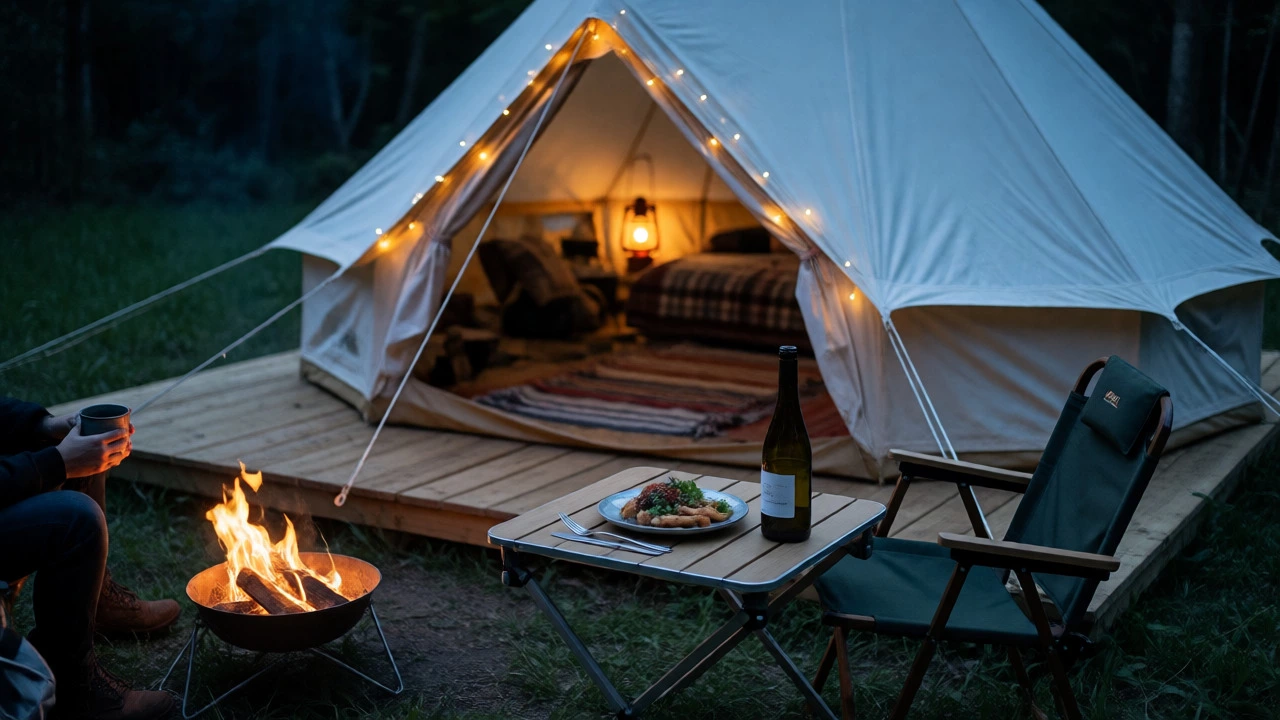
Whether you book a safari tent in the Kimberley or turn your backyard into a temporary retreat with a canvas bell tent, the goal is the same: reconnect with the natural world without losing your mind. Start small. Upgrade your mattress. Add some lights. Then, when you are ready, book that weekend away. The stars look brighter when you aren’t shivering.
Is luxury camping suitable for families with young children?
Yes, absolutely. Many glamping sites cater specifically to families with child-proofed structures, safe fire pits, and nearby playgrounds. The convenience of having a kitchenette and proper bathroom facilities makes managing toddlers much easier than in a standard tent. Look for sites offering extra beds or family-sized yurts.
Do I need to bring my own food for luxury camping?
It depends on the package. Many luxury sites offer optional meal packages, including breakfast hampers, BBQ kits, or even full catering. However, bringing your own ingredients gives you control over dietary needs and saves money. Check if the site provides a fridge, stove, or barbecue grill before deciding.
What is the best time of year for luxury camping in Australia?
Spring (September-November) and Autumn (March-May) are generally ideal across most of Australia due to mild temperatures. Summer can be very hot in inland areas, while winter is perfect for southern regions like Tasmania or Victoria if you have heating. Always check local weather patterns for your specific destination.
Can I bring pets to luxury campsites?
Many glamping sites are pet-friendly, recognizing that travelers want to include their furry companions. However, policies vary strictly regarding breed size, number of pets, and whether animals are allowed inside the main structure. Always confirm pet rules during booking and ask about designated relief areas.
How does glamping differ from staying in a caravan park?
While both involve vehicles or semi-permanent structures, glamping focuses on unique architectural experiences and curated aesthetics, often in more remote or scenic locations. Caravan parks typically offer standardized pitches for RVs and may lack the distinctive 'boutique' feel, private decks, or specialized interior design found in dedicated glamping pods.