How to Camp Comfortably on the Beach: A Practical Guide
 Oct, 11 2026
Beach Campsite Safety Checker
Don't let the tide or wind ruin your night. Enter your planned campsite details below to get an instant safety assessment and tailored advice based on Western Australian coastal standards.
Campsite Conditions
Enter your details and click "Check My Site" to see if your beach campsite is safe and comfortable.
You wake up at 3 AM. The wind has picked up, your tent is flapping like a distressed bird, and you realize you pitched right in the high-tide line. You didn't sleep; you survived. Sound familiar? Most people think beach camping is just pitching a tent anywhere near the water. It’s not. If you want actual comfort-not just proximity to the ocean-you need to treat the sand as a hostile environment that requires specific tactics.
I’ve spent years camping along the Western Australian coast, from the white sands of Rottnest to the wilder stretches north of Perth. The difference between a miserable night and a five-star experience isn’t luck; it’s preparation. Here is how you actually do it without losing your mind or your gear to the elements.
Pick Your Spot Like a Local
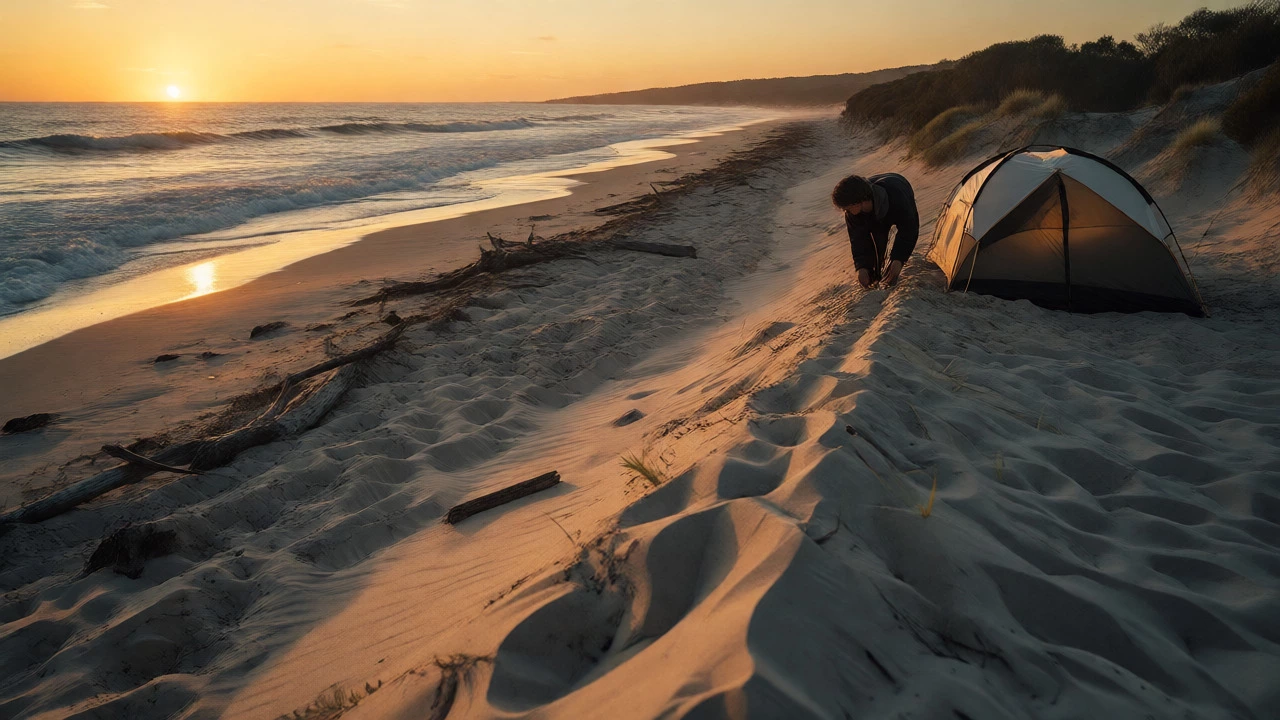
The biggest mistake beginners make is picking the prettiest spot. That flat, hard-packed strip of sand near the water looks perfect. It’s also where the ocean comes to visit every six hours. In Australia, tides are driven by lunar cycles, but local geography changes everything. Always check the Tide Tables for your specific location before you set up. Look for the "High Water" time. If you pitch below the highest tide mark plus a safety buffer of at least ten meters, you’re gambling with your sleeping bag.
Instead, look for the "berm." This is the raised area of sand further back from the waterline, often marked by vegetation or driftwood lines. It’s higher, more stable, and usually out of the direct spray zone. But don’t go too far back into the dunes either. Dunes shift, and digging into loose sand makes staking difficult. Find that sweet spot between the high-tide line and the first major dune ridge. It’s usually the most compact sand available.
Anchor Down Against the Wind
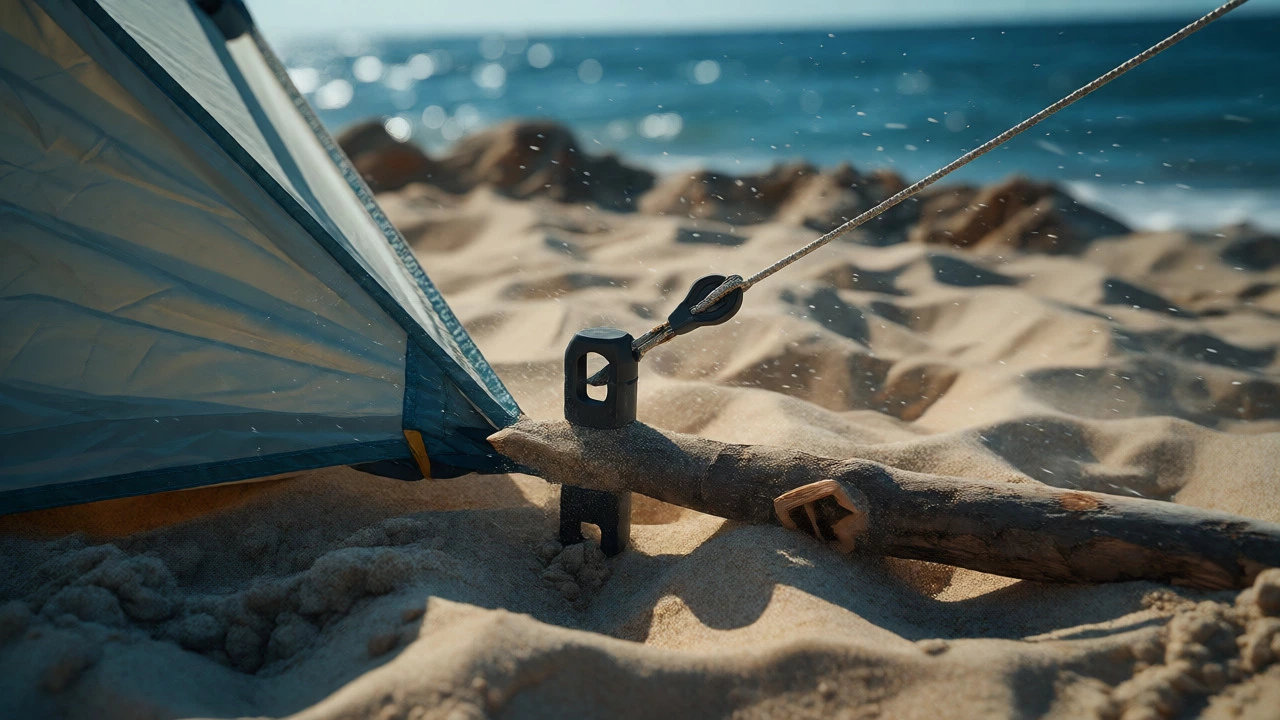
Standard tent pegs are useless on the beach. They pull out of loose sand with zero resistance. You need Sand Stakes, which are wider, longer, and designed specifically for granular soil. If you don’t have them, you can improvise. Bury a branch, a rock, or even a filled water bottle horizontally in the sand and tie your guy lines to it. This technique, known as "dead man anchoring," provides massive holding power because the weight of the sand above the anchor holds it fast.
Wind direction matters more than wind speed. Position the narrow end of your tent facing the prevailing wind. This reduces the surface area the wind hits and stops your tent from acting like a sail. If you have a tarp, rig it as a windbreak upwind of your tent. This creates a calm pocket behind it where you can cook and sit without getting sandblasted. Just remember: a poorly secured tarp becomes a projectile in a gale. Stake it down twice as hard as you think you need to.
Master the Sleep System
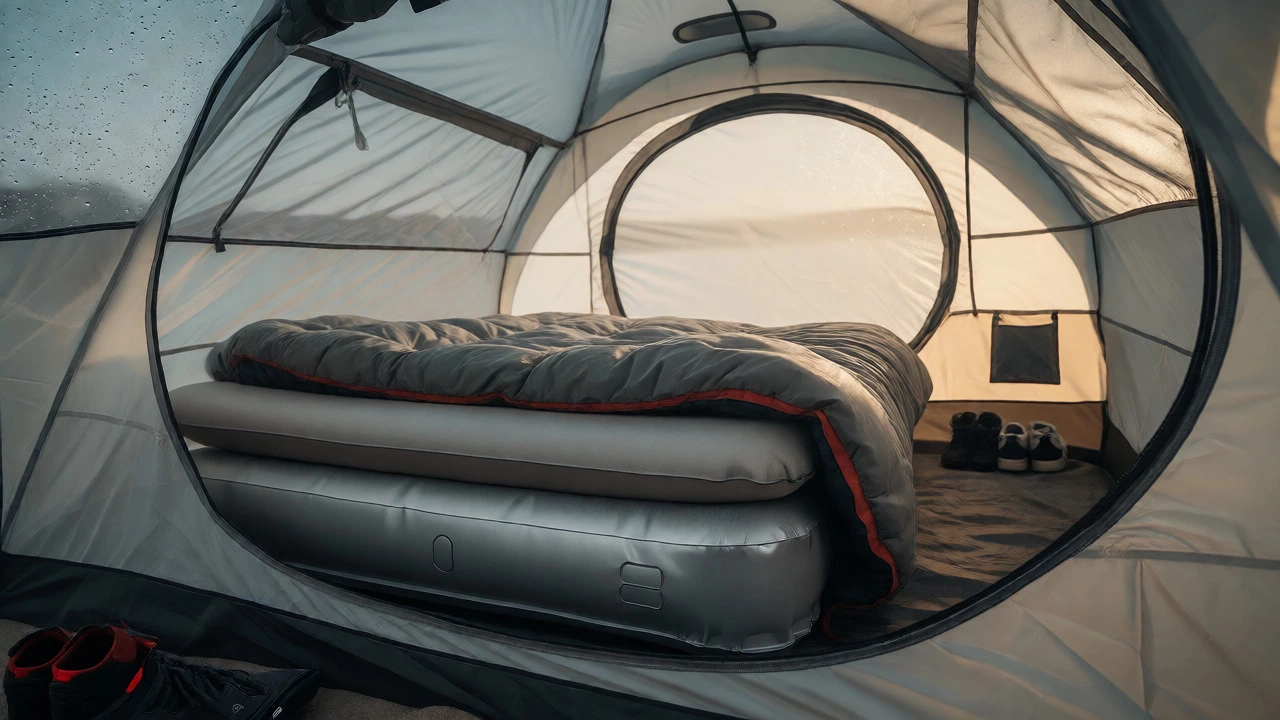
Sand gets cold at night. Really cold. Even in summer, ground temperature drops significantly once the sun sets. A standard foam mat won’t cut it. You need insulation between you and the sand. Use a closed-cell foam pad (like a Z-Lite) under an inflatable air mattress. The foam reflects body heat back up; the air cushion adds comfort. Skip this combo, and you’ll feel every grain of sand and every chill breeze rising off the ground.
Ventilation is your second battle. Condensation builds up fast in humid coastal air. Open all vents, even if it feels chilly. If you zip everything tight, you’ll wake up damp inside your sleeping bag. Use a liner made of silk or fleece if you tend to get cold, but keep the outer shell breathable. And please, leave your shoes outside. Sand in your sleeping bag is the fastest way to ruin a good night’s sleep.
Hygiene and Water Management
There’s no running water at most wild beach sites. Bring enough drinking water-plan for four liters per person per day-and use biodegradable soap only. Never wash dishes or yourself directly in the ocean if you’re using non-biodegradable products. Fish and marine life don’t care for your shampoo residue. Set up a simple wash station away from the waterline using two buckets: one for washing, one for rinsing. Dispose of greywater well inland, never near the tide line.
Toilet situations vary. Some designated campsites have facilities; many don’t. If you’re wild camping, bring a portable toilet kit or a shovel and heavy-duty bags. Pack out what you pack in. Leaving toilet paper in the bush is lazy and unsightly. Burn it if safe, or bag it. No exceptions.
Protect Your Gear from Salt and Sand
Salt corrodes metal. Sand jams zippers. After every trip, rinse your tent poles, stakes, and stove with fresh water. Let everything dry completely before packing it away. Moisture trapped in a packed tent leads to mold, which smells terrible and ruins fabric integrity.
Keep electronics in sealed plastic cases. Humidity kills cameras and phones faster than you’d think. Keep a dedicated "clean zone" in your tent-a small corner where no shoes enter-to store clothes and books. Sand finds its way everywhere, so minimize exposure where you can.
| Item | Why It’s Critical | Pro Tip |
|---|---|---|
| Sand Stakes | Standard pegs fail in loose sand | Carry spares; they break or get lost easily |
| Tarp & Guy Lines | Creates shade and wind protection | Use reflective cord for visibility at night |
| Closed-Cell Foam Pad | Insulates against cold sand | Place under inflatable mattress for warmth |
| Biodegradable Soap | Protects marine ecosystem | Check local regulations; some areas ban all soap |
| Headlamp with Red Mode | Preserves night vision; doesn’t disturb wildlife | Red light attracts fewer insects |
Respect the Rules and the Locals
Beach camping laws differ by state and council. In Western Australia, for example, many beaches require permits, especially during peak season. Fines for illegal camping can be hefty. Check with the local shire or national parks authority before you drive onto the sand. Some tracks are open only during daylight hours. Driving at night risks hitting wildlife or getting stuck in soft sand.
Also, respect other campers. Keep noise down after dark. Generators are often banned or restricted to daytime hours. If you’re bringing a dog, ensure it’s leashed and controlled. Seabirds nest on many beaches, and an unleashed dog can disrupt entire colonies.
Can I camp anywhere on the beach?
No. Many beaches are protected reserves or private property. Always check signage or local government websites for permitted zones. Unauthorized camping can result in fines or being moved on by rangers.
What is the best time of year for beach camping in Australia?
Spring (September-November) and Autumn (March-May) offer mild temperatures and fewer crowds. Summer can be hot and windy, while winter brings rain and colder nights, though fewer tourists.
How do I keep sand out of my tent?
Create a "sand apron" by laying a tarp or towel outside the door. Remove shoes before entering. Keep the inner tent door closed when not moving in or out. Use a broom or brush to sweep sand out daily.
Is it safe to camp alone on the beach?
Generally yes, but stay aware of surroundings. Inform someone of your location and expected return. Avoid isolated spots late at night. Weather changes rapidly on the coast, so monitor forecasts closely.
Do I need a permit for beach camping?
Often, yes. National parks and some council-managed beaches require fees or permits. These help maintain facilities and manage environmental impact. Always verify requirements for your specific site before arriving.