How Much Money Do You Need to Live in an RV? A Realistic Budget Guide
 Sep, 20 2026
RV Living Budget Estimator
Adjust the sliders to match your intended lifestyle. This tool estimates monthly costs in AUD based on 2026 Australian market data.
$3,500
AUD per month
Breakdown
- Campsite Fees $500
- Fuel $750
- Groceries & Dining $1,200
- Insurance & Rego $400
- Internet & Phone $125
- Maintenance Fund $250
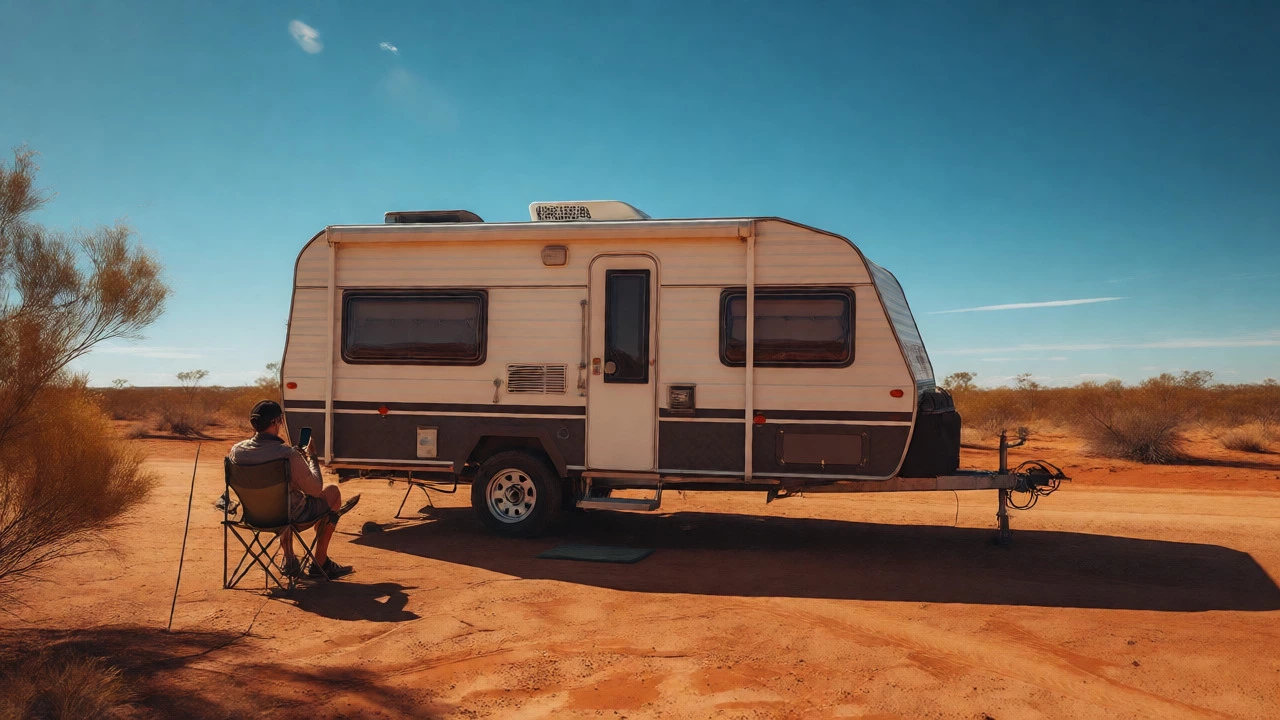
You quit your job, sold your house, and bought a rig. Now you're sitting at a rest stop in Western Australia, staring at your bank account, wondering if the math actually works out. It’s the question every aspiring nomad asks: how much money do you need to live in an RV? The honest answer isn't a single number. It depends entirely on whether you’re treating this as a luxury holiday or a genuine lifestyle shift. But let's cut through the Instagram filters and look at the real numbers for 2026.
Living in a recreational vehicle (RV) is often marketed as a way to save money. And sure, it can be. If you were paying $2,500 a month for rent in Perth and you drop that to zero by parking on free land, you’ve got more cash flow. But here’s the catch: you trade fixed housing costs for variable operational ones. Fuel, maintenance, insurance, and site fees don’t care about your desire for freedom. They hit your card every month. To give you a realistic target, we need to break down the three main tiers of RV living budgets.
The Three Tiers of RV Living Costs
Not all RV lifestyles are created equal. Your spending habits will dictate which tier you fall into. Most people start in the middle and drift toward one extreme depending on their income stability and personal preferences.
Budget Nomad ($1,500-$2,500 AUD per month): This is the "free camping" crowd. You rely heavily on Department of Biodiversity, Conservation and Attractions (DBCA) campsites, shire reserves, and public land where overnight stays are free or cost under $10. You cook almost every meal yourself, avoid paid attractions, and limit travel distance to keep fuel costs down. You likely have a smaller rig, like a camper trailer or a compact van, which keeps insurance and registration lower. The risk here is isolation; free sites are often far from towns, meaning fewer social interactions and harder access to laundry or showers.
Middle Ground ($3,000-$4,500 AUD per month): This is the most common scenario for couples or small families. You mix free camping with paid caravan parks when you want hookups, hot showers, and proximity to town amenities. You eat out occasionally but mostly cook. You take short trips between states rather than long-haul cross-country drives. This tier offers a balance of comfort and affordability, allowing you to enjoy the community aspect of caravan parks without blowing your savings.
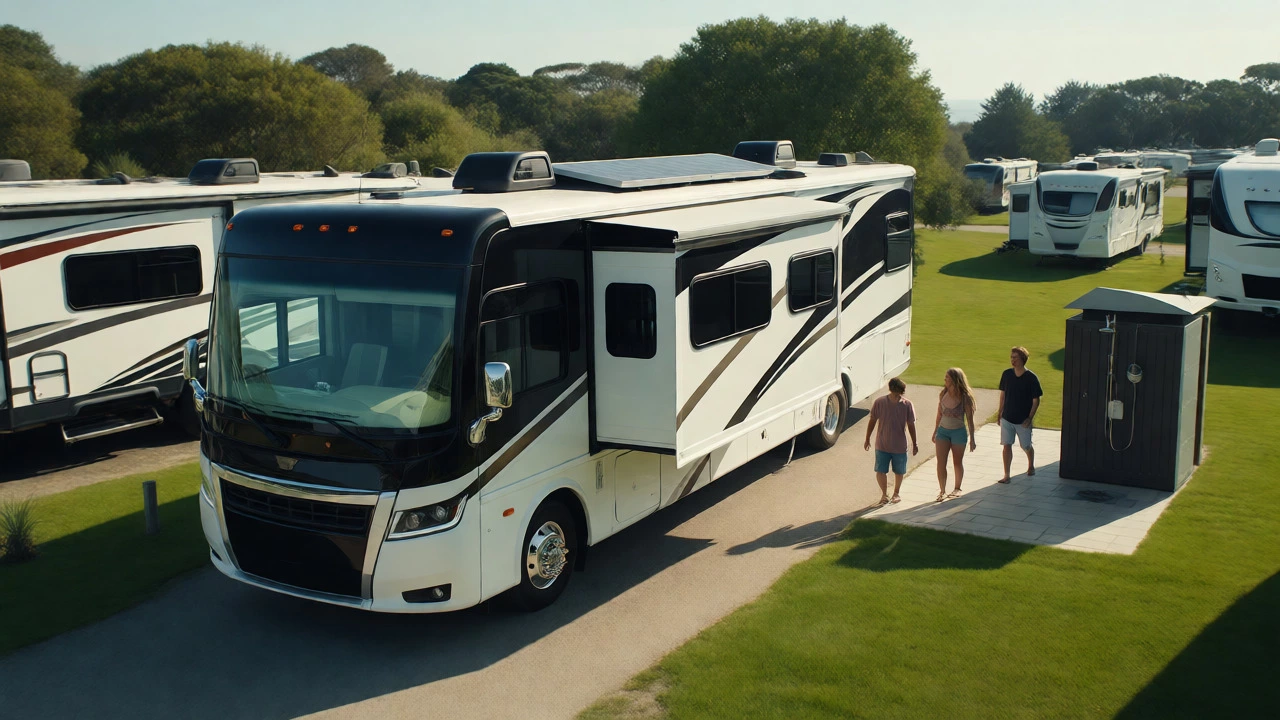
Luxury Lifer ($5,000+ AUD per month): You stay in powered sites at premium parks year-round. You use diesel generators or large solar setups that require professional maintenance. You buy groceries from high-end stores, dine out frequently, and drive long distances to chase good weather or specific events. Your rig might be a Class A motorhome or a large touring caravan with slide-outs, which comes with higher registration fees and specialized service requirements.
Breaking Down the Monthly Expenses
To build your own budget, you need to look at the line items. Here is what typically eats up your cash flow when you leave traditional housing behind.
| Expense Category | Budget Tier ($) | Middle Tier ($) | Luxury Tier ($) | Notes |
|---|---|---|---|---|
| Campsite Fees | $0 - $200 | $800 - $1,200 | $1,500+ | Free vs. Paid Sites |
| Fuel | $300 - $500 | $600 - $900 | $1,200+ | Depends on mileage |
| Groceries & Dining | $600 - $800 | $1,000 - $1,400 | $1,800+ | Cooking saves big |
| Insurance & Rego | $150 - $250 | $300 - $500 | $600+ | Comprehensive cover |
| Internet & Phone | $50 - $80 | $100 - $150 | $200+ | NBN vs. Starlink |
| Maintenance Fund | $100 | $200 | $400+ | Save for repairs |
| Total Estimated | $1,200 - $1,830 | $3,000 - $4,750 | $5,700+ |

The Hidden Costs Nobody Talks About
Newcomers often forget that an RV is a machine, not just a home. Machines break. In a house, if your water heater fails, you call a plumber. In an RV, you might need to tow to a specialist dealer hours away. That costs money.
Vehicle Maintenance is the biggest silent killer of RV budgets. Tyres wear out faster on heavy vehicles, especially if you park them for weeks without moving. Expect to replace tyres every 3-5 years, costing $1,000-$2,000 for a set. Engine services, brake checks, and generator servicing add up. A good rule of thumb is to set aside 1% of your rig's value annually for unexpected repairs. If your motorhome is worth $150,000, put $1,500 away every year, regardless of whether it breaks.
Power and Water also carry hidden costs. If you rely on gas for cooking and heating, prices fluctuate wildly. Refilling a 45kg LPG cylinder can cost over $100 depending on location. Solar panels help, but they don't run air conditioners easily. Running a generator burns fuel and requires regular oil changes. Water hauling is another factor; if you aren't hooked up, you need to find potable water sources, which might mean driving extra kilometers or buying bottled water, both of which add time and cost.
Health Insurance remains mandatory in Australia. Many expats or digital nomads overlook this, assuming they can skip private health cover. But if you get sick in a remote area, ambulance fees can be astronomical. For example, some states charge thousands for emergency transport. Keeping your private health insurance active is non-negotiable unless you have comprehensive travel medical cover that explicitly excludes pre-existing conditions correctly.
Income Strategies for RV Living
You can't survive on savings alone forever. Unless you've retired early with a substantial nest egg, you need income. The beauty of RV life is flexibility, but finding work while moving is tricky.
- Remote Work: This is the gold standard. If you have a job that allows you to work from anywhere, you can sustain the Middle or Luxury tiers easily. However, reliable internet is crucial. While NBN fixed wireless covers many regional areas, deep rural zones often require satellite solutions like Starlink, which has higher upfront hardware costs but unlimited data.
- Seasonal Work: Many Australians follow the harvest seasons. Picking fruit in Queensland during winter or working ski resorts in Victoria during summer provides free accommodation and steady pay. This strategy fits the Budget tier well because you eliminate rent and gain income simultaneously.
- Freelancing and Gig Economy: Graphic design, coding, consulting, or writing can be done from a laptop. Platforms like Upwork or local Australian gig apps allow you to pick up short-term contracts. The challenge is cash flow consistency; you must budget tightly during lean months.
- Retirement Savings: If you are drawing from superannuation, remember that withdrawing funds reduces your long-term security. Calculate how long your pot will last based on your monthly burn rate. At $3,000 a month, a $500,000 fund lasts roughly 14 years before inflation eats into it significantly.
Tips to Slash Your RV Budget
If you want to make the numbers work, you have to be strategic. Here are practical ways to cut costs without sacrificing sanity.
- Embrace Free Camping Apps: Use tools like WikiCamps or CamperMate to find verified free sites. Always check local signage; rules change fast. What was free last year might now have a $10 permit fee due to overcrowding.
- Travel Off-Peak: School holidays drive campsite prices up by 50-100%. Travel in shoulder seasons (autumn and spring) to secure cheaper rates and quieter spots.
- Batch Cook and Freeze: Grocery shopping in bulk at major supermarkets like Woolworths or Coles saves money, but only if you have freezer space. A chest freezer is a game-changer for RV kitchens, allowing you to buy meat on sale and store it for weeks.
- Limit Site Hookups: You don't need power every night. If you have decent solar and batteries, you can go 2-3 days off-grid. Reserve paid sites for times when you need laundry, showers, or a dump station.
- Maintain Your Rig Proactively: Check tyre pressure weekly. Clean solar panels monthly. Inspect seals around windows to prevent leaks. Small preventative measures prevent massive repair bills later.
Is It Worth It?
So, do you need less money to live in an RV? Financially, yes, if you compare it to renting a comparable apartment in a city. You eliminate mortgage interest or rent, property taxes, and utility bills associated with a fixed address. But you add complexity. You spend time planning routes, finding sites, and maintaining equipment. Time is money, after all.
The psychological cost is real too. Some people thrive on the minimalism and freedom. Others feel trapped by the constant decision-making of "where do we sleep tonight?" Be honest with yourself. If you crave routine and convenience, the stress of managing an RV might outweigh the financial savings. But if you value experiences over possessions, the modest budget required for RV living opens doors that a traditional mortgage never could.
Start by testing the waters. Rent a motorhome for two weeks. Track every cent you spend. Did you overspend on fuel? Did you end up paying for sites because you were tired? Use that trial run to calibrate your actual budget before selling everything to commit to the road.
Can I really live in an RV for $1,000 a month?
It is extremely difficult but possible for solo travelers who strictly stick to free camping, cook every meal, and rarely travel long distances. You would need to exclude major maintenance costs from this figure. For most people, $1,500 is a safer minimum floor to avoid going into debt.
Do I still pay council rates if I live in an RV?
No, you generally do not pay council rates because you don't own a fixed dwelling. However, you may need to register your vehicle in a specific state, which involves registration fees. Some councils offer resident parking permits for those without a fixed address, but this varies by jurisdiction.
How much does internet cost for full-time RVers?
Expect to pay between $50 and $150 per month. Options include mobile data plans from Telstra or Optus, fixed wireless NBN in regional hubs, or satellite systems like Starlink. Starlink has a higher upfront hardware cost but provides reliable coverage in remote areas where other options fail.
What is the biggest unexpected expense?
Tyre replacement and engine repairs are the most common surprises. Heavy vehicles put significant strain on components. Additionally, towing fees if your rig breaks down in a remote area can cost hundreds of dollars instantly. Always have an emergency fund specifically for mechanical issues.
Is it cheaper to rent or buy for long-term living?
Buying is cheaper in the long run if you plan to stay on the road for more than 2-3 years. Rental rates for long-term leases can be high, often exceeding $1,000 per week. However, buying ties up capital and carries depreciation risks. Renting offers flexibility if you decide the lifestyle isn't for you.