How Long Can You Stay on a Campsite in the UK? Rules, Limits, and What Really Happens
 Mar, 16 2026
UK Campsite Stay Calculator
This tool calculates maximum allowed stay duration based on UK campsite type and location. All information aligns with current UK regulations.
Estimated Maximum Stay
Select options above to see maximum stay duration.
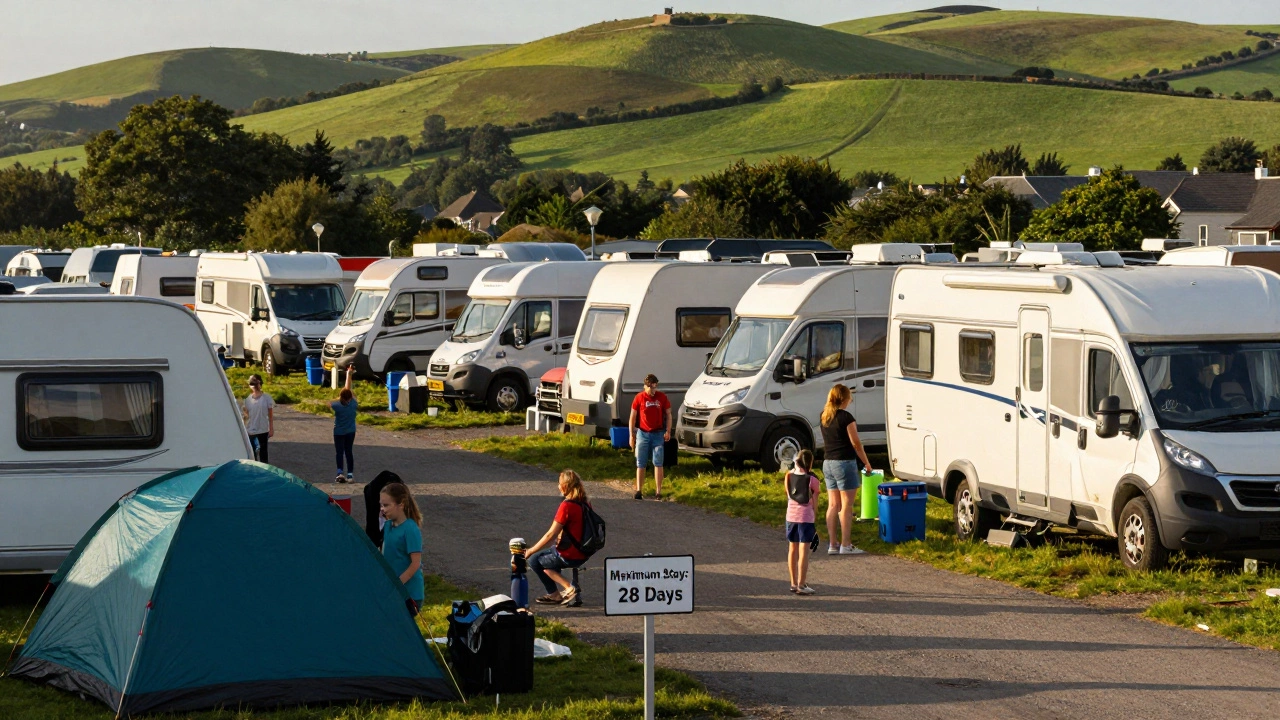
- Most sites enforce 28-day limits with 2-night break required for holiday parks
- Wild camping in Scotland allows 2-3 nights per location
- Winter stays are rare exceptions - check site policies carefully
Ever pulled into a campsite in the UK and wondered, how long can I actually stay here? It’s not as simple as showing up and setting up your tent for weeks. The rules vary wildly depending on where you are, what kind of site you’re on, and even what time of year it is. If you’re planning a road trip, a summer escape, or just want to stretch your stay beyond a weekend, you need to know the real limits - not the myths.
There’s No Single Answer - It Depends on the Site Type
Not all campsites in the UK are created equal. The length of your stay is mostly decided by the site owner, not a national law. But there are patterns you can count on.On a licensed caravan or camping site - the kind with toilets, showers, and electric hookups - most owners allow stays between 14 and 28 days. That’s the sweet spot for most holidaymakers. Some sites, especially in quieter areas like the Lake District or North Wales, may let you stay up to 42 days, but you’ll usually need to book it in advance and pay a weekly rate. These sites are designed for short-to-medium stays, not permanent living.
On the other hand, private land campsites - often run by farmers or smallholders - can be stricter. Some only allow 3 to 7 nights, especially during peak season. Why? Because they’re not licensed for long-term occupancy. They’re trying to avoid becoming de facto residential sites, which triggers planning permission rules.
Then there are holiday parks like Haven or Parkdean. These are more like mini-resorts. They often let you stay 28 days at a time, but you’ll need to leave for at least 2 nights before coming back. This is their way of keeping people from turning their pitch into a full-time home. If you try to stay 60 days straight? You’ll get asked to leave.
Wild Camping: The Legal Grey Zone
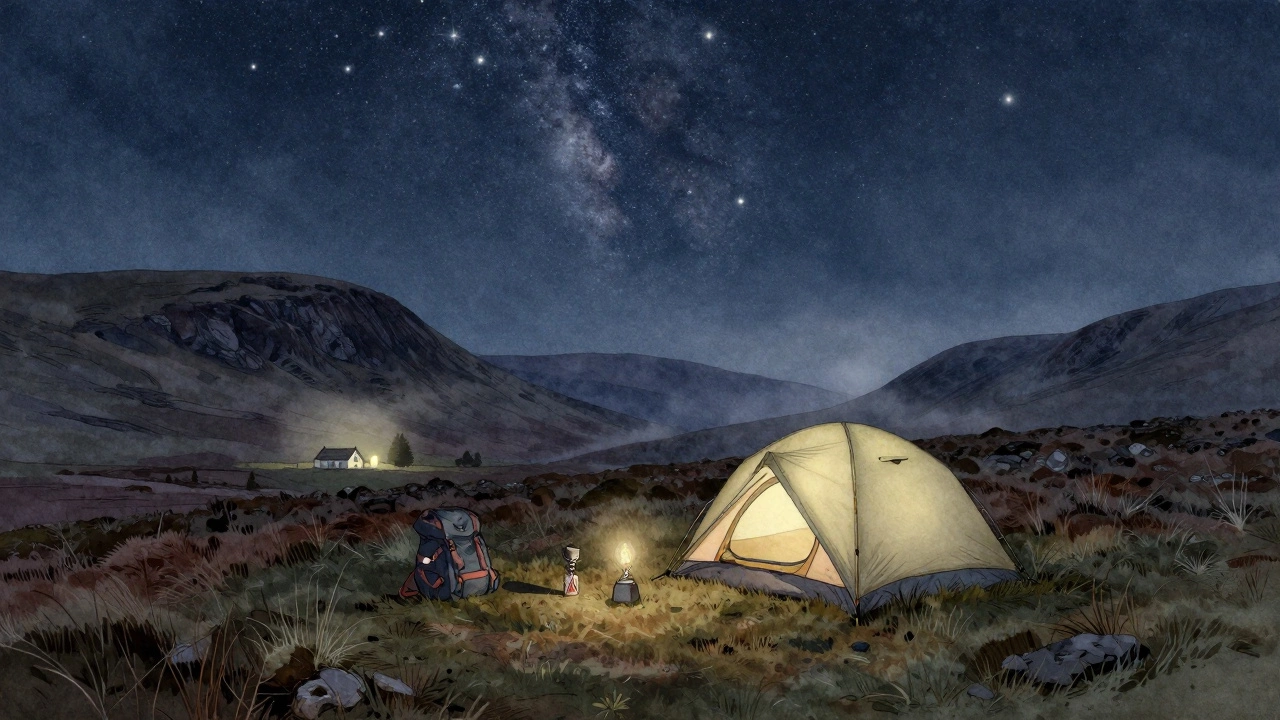
Wild camping - pitching your tent away from official sites - is a whole different game. In England and Wales, it’s technically illegal without landowner permission. That doesn’t mean no one does it. Thousands do, especially in the Lake District, Dartmoor, and the Scottish Highlands. But here’s the catch: if you’re caught, you can be asked to leave. No fines, no court - just a polite request to pack up.Scotland is the exception. Thanks to the Land Reform (Scotland) Act 2003, wild camping is legal as long as you follow the Scottish Outdoor Access Code. That means:
- Stay no longer than 2-3 nights in one spot
- Keep groups small (under 4 people)
- Don’t camp near buildings or in enclosed fields
- Take all your rubbish with you
- Use a stove, not an open fire
So yes, in Scotland, you can camp wild for a few nights - but not for weeks. Even there, staying longer than 3 nights in the same place raises eyebrows and could get you reported.
What About Winter? Can I Stay Longer?
Some people think winter is the secret to long stays. Fewer people around, quieter sites, cheaper rates. It sounds perfect. But most licensed campsites in the UK still enforce their 28-day rule year-round. Why? Because their insurance and licensing terms don’t change with the seasons.There are exceptions. A few sites in Cornwall, Devon, and coastal areas offer “winter lets” for people who work remotely or are retired. These are rare. You’ll need to contact the site directly, and they’ll likely ask for proof of income or ID. Don’t assume you can just roll in with a van in January and stay until April. You’ll get turned away.
One site in Northumberland, for example, allows 90-day stays for winter visitors - but only if you book before October and pay upfront. That’s the exception, not the rule.
Caravans and Motorhomes: Same Rules?
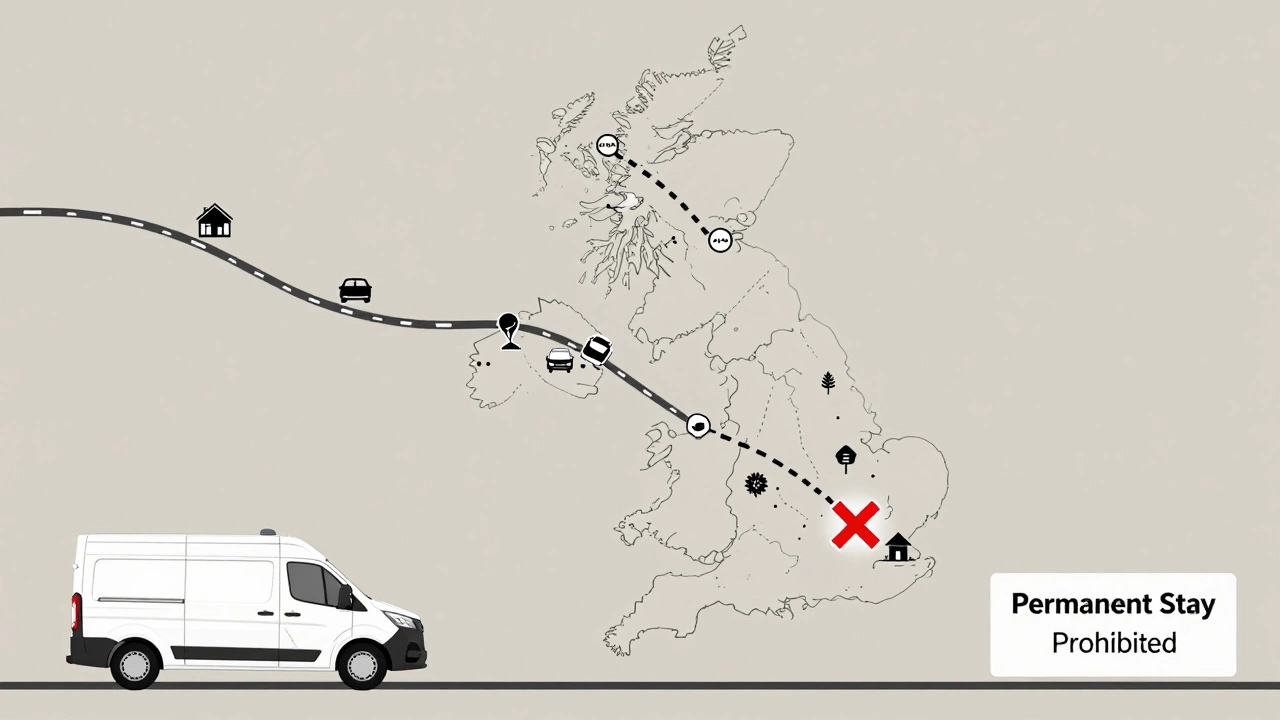
If you’re in a motorhome or caravan, the rules are mostly the same. But here’s what most people don’t realize: you can’t live permanently on a campsite, even if you have a van. The UK’s planning laws treat any place where you sleep, cook, and live as a residential unit. Campsites are for leisure, not housing.So if you’re thinking of turning your van into your full-time home on a campsite? It won’t work. Most sites have clauses in their terms that say you can’t use the pitch as a permanent residence. If you’re caught using a campsite as your address, you could be fined or banned.
That’s why many van lifers rotate between different sites - 28 days here, 28 days there. Some even use private land with permission. But even then, staying longer than 28 days in one place without planning permission risks legal trouble.
What Happens If You Overstay?
Most sites don’t send police. They don’t need to. They just call you up and say, “Your stay ends today.” If you refuse to leave? They can call the police for trespassing. And yes - that’s happened. In 2023, a couple in the Peak District were issued a warning after staying 56 days on a 28-day site. They had to pay a £200 cleaning fee on top of losing their deposit.Even if you’re not caught, overstaying can ruin your chances of booking again. Campsite owners talk. If you’re flagged as a “long-stayer,” you might get blocked from future bookings across networks like Pitchup.com or Camping UK.
How to Plan a Longer Stay
Want to stay longer than a week? Here’s how to do it right:- Check the site’s website before you book - look for “maximum stay” in the terms.
- Call the site owner directly. Ask: “What’s your maximum stay, and do you allow extensions?”
- Book weekly. Many sites offer discounts for weekly stays - it’s easier for them to manage.
- If you’re in Scotland, stick to the 2-3 night rule per spot and move often.
- Keep records. If you’re asked why you’re staying, having proof of travel plans helps.
Some people use a trick: book two sites 28 days apart and move between them. It’s legal as long as you’re not living in one place permanently. Just don’t try to hide it - be upfront with the site manager.
What’s the Longest You Can Legally Stay?
The absolute maximum on a licensed site is usually 42 days - and even that’s rare. In practice, 28 days is the standard limit across 90% of UK campsites. Wild camping? Stick to 3 nights. Motorhome living? No permanent stays allowed. The system isn’t designed for long-term residency.If you’re looking to live on the road full-time in the UK, you’ll need private land with planning permission - or a residential caravan park. Those are completely different systems. Campsites are for holidays, not homes.
So next time you’re packing up your tent, ask yourself: Am I here to explore - or to settle? The answer will tell you how long you really can stay.