How Fast Should You Drive When Pulling an RV? Safe Speed Limits & Tips
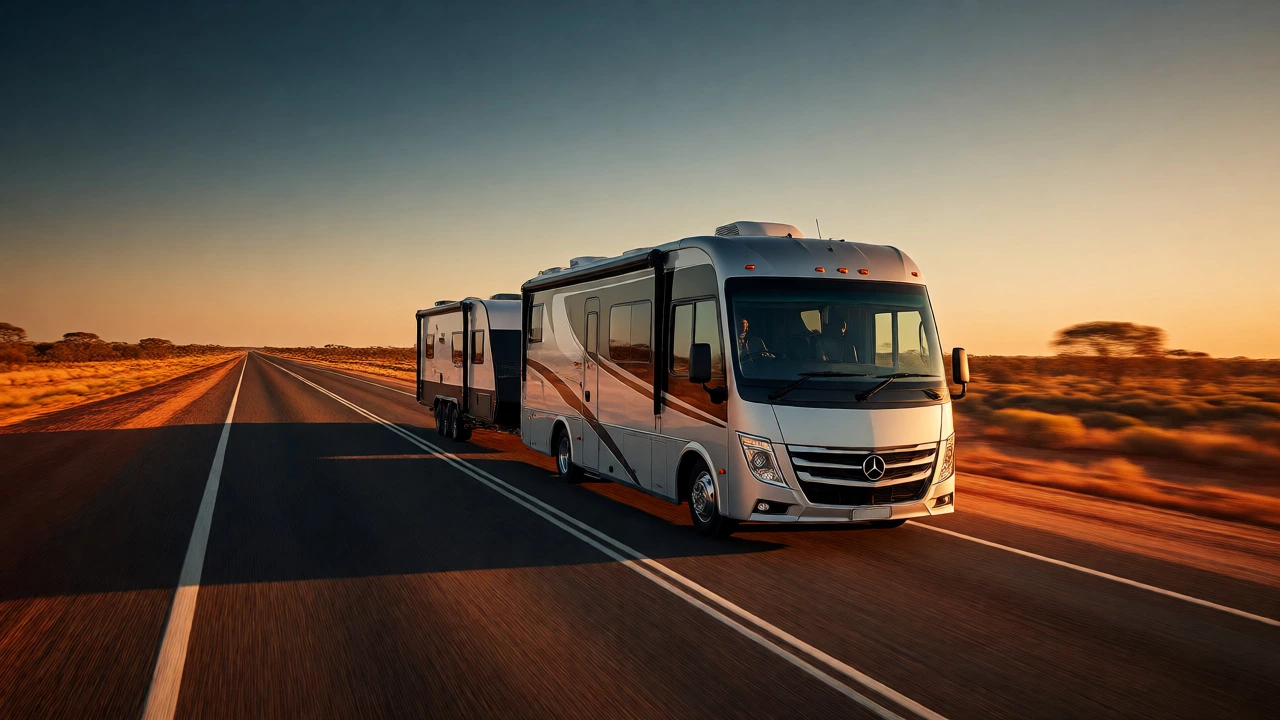 Nov, 19 2026
RV Speed & Safety Estimator
Enter your trip details to find the optimal cruising speed for safety and fuel efficiency.
Recommended Strategy
Optimal Speed:
Tip:
Select options and click calculate to see recommendations.
You’ve just picked up your hired motorhome. The keys are in your hand, the tank is full, and the open road is calling. But there’s one question that keeps popping into your head, especially if you’re new to this: how fast should you drive when pulling an RV?
It’s not just about obeying signs. It’s about physics, wind resistance, and keeping your sanity intact. If you’ve ever tried to overtake a truck on a highway while dragging a two-tonne box behind you, you know it’s not like driving a hatchback. Let’s break down exactly what speed works best, why it matters, and how to stay safe without arriving at your campsite exhausted.
The Golden Rule: Slower Is Safer
Here’s the blunt truth: most RV drivers go too fast for their conditions. While the posted speed limit on Australian highways might be 100 km/h or even 110 km/h in some states, that doesn’t mean your rig can handle it comfortably. A fully loaded motorhome or a large caravan changes your vehicle’s dynamics completely. You have more mass, less aerodynamic efficiency, and significantly longer stopping distances.
Think of it this way. Your family car stops in about 40 meters from 100 km/h. A heavy RV with a trailer? That distance can easily double. If you’re doing 100 km/h and a kangaroo hops out, or the car in front slams on the brakes, you’re not stopping. You’re sliding. Most experienced RVers find their sweet spot between 85 km/h and 95 km/h. This range gives you control, reduces fuel consumption, and keeps the ride smooth for everyone inside.
Why Speed Kills Your Budget (And Your Peace)
Let’s talk money. Air resistance increases exponentially with speed. At 80 km/h, your engine works hard. At 100 km/h, it works twice as hard. At 110 km/h, you’re basically throwing cash out the window. For a diesel-powered motorhome, dropping from 100 km/h to 90 km/h can save you anywhere from 15% to 20% in fuel costs. Over a long trip across Western Australia, that’s hundreds of dollars back in your pocket.
But it’s not just fuel. High speeds create turbulence. If you’re pulling a caravan, high winds can cause sway. Sway is terrifying. It feels like the back end of your rig is trying to pass you. Driving slower reduces the force of crosswinds and gives you more time to react if sway starts. Plus, let’s be honest-driving at 90 km/h lets you actually look at the scenery instead of white-knuckling the steering wheel.
Understanding Your Rig’s Limits
Not all RVs are created equal. A small camper van handles differently than a massive Class A motorhome or a tandem-axle caravan. You need to know your specific setup.
| RV Type | Max Recommended Speed | Key Considerations |
|---|---|---|
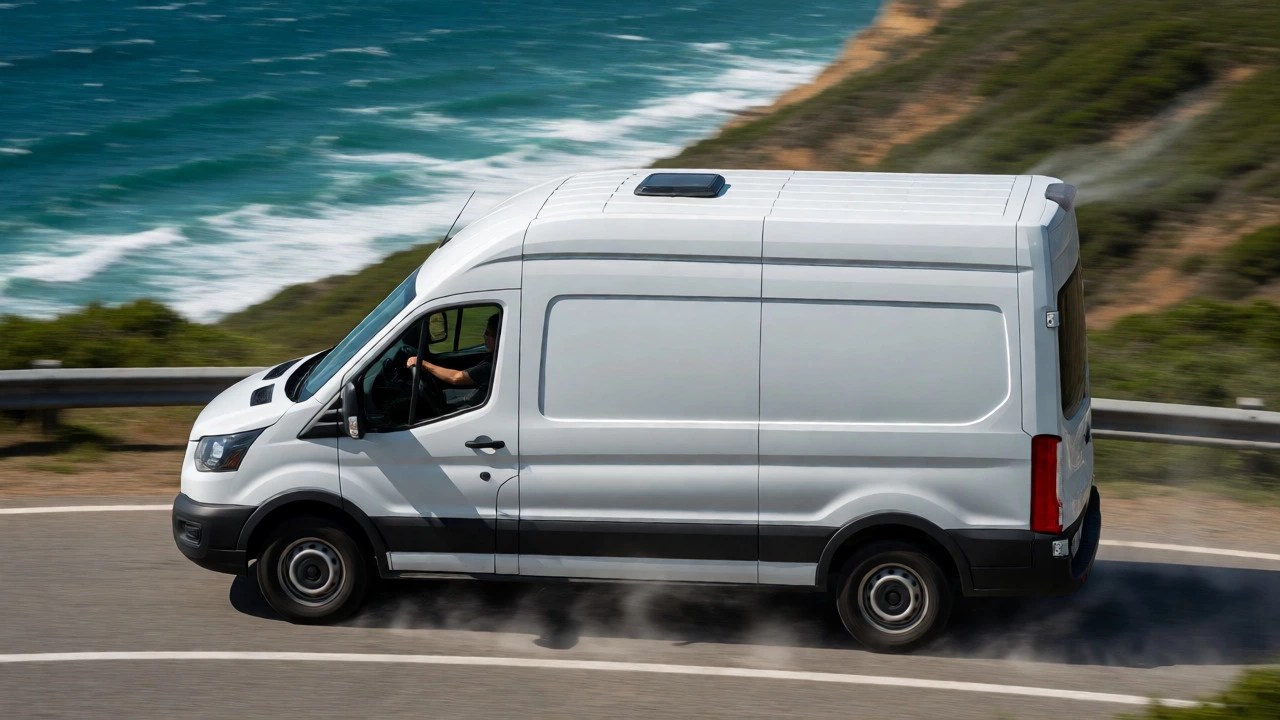
| Camper Van | 95-100 km/h | More agile, but still affected by side winds due to height. |
| Class C Motorhome | 85-90 km/h | Bulkier shape creates drag; watch for braking fade on hills. |
| Large Caravan/RV | 80-85 km/h | Prone to sway; requires careful lane changes and gentle inputs. |
| Tandem Axle Trailer | 80-85 km/h | Stable in straight lines but struggles in tight corners at speed. |
These numbers aren’t law, but they are strong guidelines. Check your owner’s manual. Some manufacturers explicitly state a maximum safe towing speed. Ignoring it can void warranties or lead to mechanical failure.
Weather and Road Conditions Change Everything
A sunny day on a flat highway is different from a windy day on a coastal road. In Perth, we get our fair share of gusts along the coast. If the wind is blowing sideways, drop your speed by 10-15 km/h. Why? Because the surface area of your RV acts like a sail. The faster you go, the harder the wind pushes you.
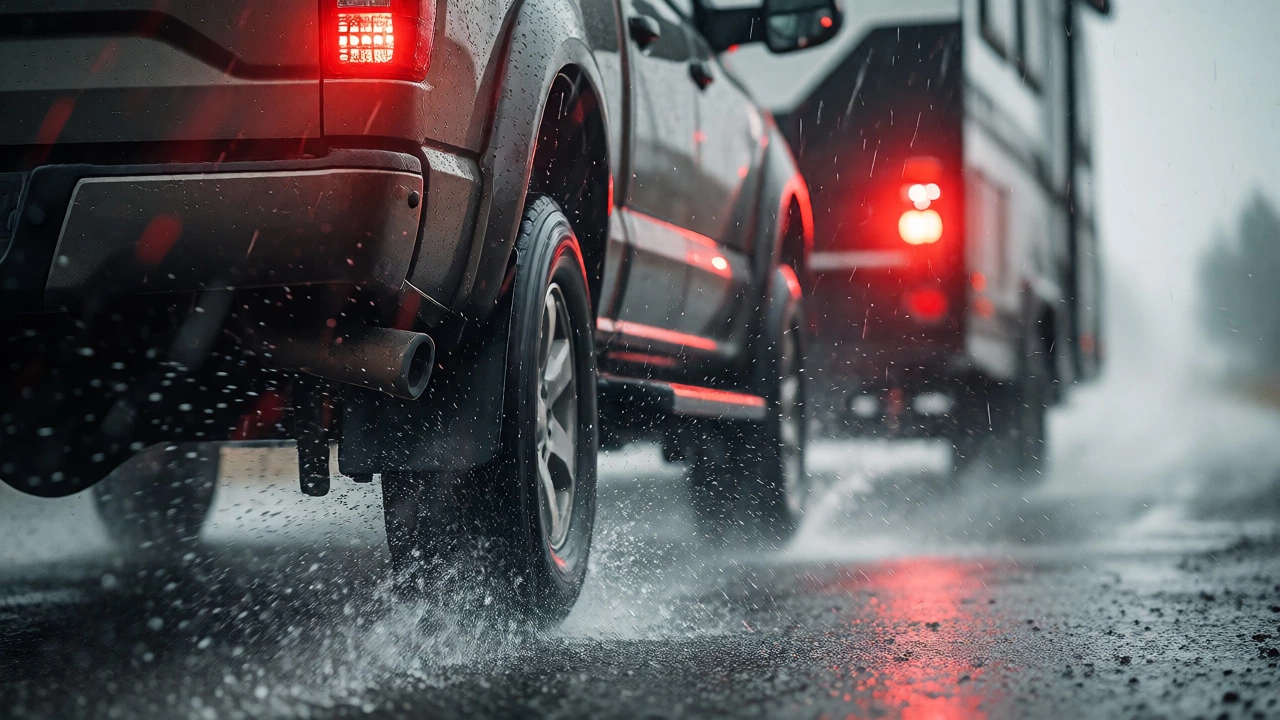
Rain is another factor. Wet roads reduce tire grip. Since your tires are carrying extra weight, they wear out faster and lose traction sooner. If it’s raining, aim for 80 km/h max. And never, ever cruise on wet gravel roads at highway speeds. Gravel turns into marbles under heavy tires. Keep it slow, keep it steady.
The Art of Braking and Cornering
Speed isn’t just about how fast you go; it’s about how quickly you can stop. Modern RVs often come with electric brakes on the wheels. These are great, but they’re not magic. They need time to engage. If you’re doing 100 km/h and hit the brakes, there’s a delay before the trailer brakes kick in. During that split second, your tow vehicle is doing all the work. If you panic and slam the brakes, you risk jackknifing-the trailer pushing the tow vehicle off course.
Instead, use progressive braking. Ease off the accelerator early. Then apply the brake gently and gradually increase pressure. This keeps the weight transfer smooth. On downhill sections, use lower gears. Don’t rely solely on your foot brake. Engine braking saves your pads and rotors from overheating. If you smell burning rubber on a steep descent, you’re going too fast.
Passing Other Vehicles Safely
Overtaking in an RV is a calculated risk. You don’t have the acceleration of a sports car. Merging onto a highway takes planning. Check your mirrors, signal early, and move over well before the merge point. Do not try to squeeze in at the last second.
When passing a truck, do it decisively. Get past them quickly but safely. Linger in their blind spot, and you’re asking for trouble. Once you’re clear, check your mirrors again before merging back. Remember, your RV blocks your rear view. Use extended mirrors if necessary. If visibility is poor, wait. There’s no prize for being first to the next town.
Common Mistakes New Drivers Make
First, ignoring tire pressure. Under-inflated tires heat up faster and blow out more easily. Check them cold, every few days. Second, forgetting about sway bars. If your caravan has them, make sure they’re engaged. Third, driving too close to the car ahead. Maintain a following distance of at least four seconds. Yes, four seconds. Count it out: "One thousand one, one thousand two..." until the car passes a landmark. This gives you buffer time.
Also, avoid using cruise control on hilly terrain. Cruise control will try to maintain speed uphill by downshifting aggressively, which can cause jerky movements. It also won’t slow you down enough downhill. Manual throttle control is safer in variable terrain.
Local Laws and Signs
In Australia, speed limits for vehicles towing trailers can differ from standard cars. In some states, like Victoria and Queensland, there are specific restrictions for vehicles over certain weights or lengths. Always look for yellow signs indicating reduced limits for trucks and buses. If you’re unsure, assume the lower limit applies to you. It’s better to be slightly late than to explain yourself to a police officer.
Remember, local councils may have additional rules near tourist spots or school zones. Even if the main road says 60 km/h, a school zone might drop it to 40 km/h during hours. Watch for flashing lights and temporary signage.
Tips for a Smoother Ride
- Load evenly: Heavy items low and centered. This lowers the center of gravity and improves stability.
- Check mirrors constantly: Know what’s happening around you. Blind spots are bigger in RVs.
- Take breaks: Stop every two hours. Stretch your legs, check tire temps, and regroup.
- Plan routes: Avoid narrow city streets where possible. Use apps designed for RV routing to avoid low bridges or tight turns.
- Stay hydrated: Fatigue sets in faster when you’re concentrating on driving a large vehicle.
Frequently Asked Questions
Is it illegal to drive an RV at 100 km/h?
Not necessarily, unless posted signs say otherwise. However, many states have specific speed limits for vehicles towing trailers, often capped at 80-100 km/h depending on the vehicle's weight and configuration. Always check local regulations and prioritize safety over legality.
Does driving slower save significant fuel?
Yes. Reducing speed from 100 km/h to 90 km/h can improve fuel efficiency by 15-20%. Aerodynamic drag increases dramatically at higher speeds, making slower travel much more economical for heavy RVs.
What is the biggest danger of speeding in an RV?
The biggest dangers are increased stopping distance and trailer sway. Higher speeds amplify wind effects and reduce reaction time, making accidents more likely and often more severe due to the vehicle's mass.
Should I use cruise control when towing?
Use it cautiously. It’s fine on flat, straight highways but risky on hills or winding roads. Cruise control can cause sudden gear changes or fail to slow you adequately on descents, leading to potential loss of control.
How does wind affect my speed?
Strong crosswinds can destabilize an RV, causing sway. In high winds, reduce speed by 10-15 km/h below your normal cruising speed to maintain stability and control.