How Cold Is Too Cold for Camping with a Baby? Safe Temperatures and Tips
 Aug, 9 2026
Baby Camping Safety & Gear Calculator
Safety Risk Assessment
Enter the forecasted conditions to assess camping safety for your baby.
Gear Checklist Generator
Generate a personalized gear list based on your trip conditions.
There is nothing quite like the smell of pine needles and the sound of crickets to soothe a restless toddler. But when you add an infant to the mix, that same crisp mountain air can turn from refreshing to dangerous in a matter of minutes. You pack the best gear, you pick a beautiful site, but you are left wondering: is it too cold out there for your little one?
The short answer is yes, there is a limit. Babies cannot regulate their body temperature as well as adults or older children. Their large surface area relative to their body mass means they lose heat rapidly. For most families, camping with a baby becomes risky once nighttime temperatures drop below 40°F (4°C). Below this threshold, the margin for error shrinks significantly, requiring specialized gear and constant vigilance.
What is the safest temperature range for camping with a newborn?
The safest range is between 50°F and 75°F (10°C - 24°C). In this window, standard sleeping bags and light layers are usually sufficient. Newborns under three months have the least developed thermoregulation, so staying on the warmer side of this spectrum is crucial.
Understanding Infant Thermoregulation
To understand why cold is such a significant factor, you need to look at how a baby's body works compared to yours. Adults generate heat through shivering and metabolic processes. Babies do not shiver effectively until they are several months old. Instead, they rely on brown adipose tissue (brown fat) to generate heat, which is a limited resource.
Once that brown fat is depleted, their core temperature begins to drop. This process is called non-shivering thermogenesis. It is efficient, but it has a ceiling. If the ambient temperature is too low, or if the baby gets wet, their internal furnace runs out of fuel. This is why a baby can feel warm to the touch while their core temperature is actually falling-a phenomenon known as peripheral vasoconstriction, where blood pulls away from the skin to protect vital organs.
Hypothermia is a medical condition where the body loses heat faster than it can produce it, causing a dangerously low body temperature. In infants, mild hypothermia can occur at a core temperature of 95°F (35°C). Symptoms are subtle: lethargy, pale or bluish skin, weak cry, and cool extremities. By the time a baby is shivering or crying inconsolably, the situation may already be critical.The Danger Zone: When to Turn Back
So, what is the hard number? While every child is different, pediatricians and experienced campers generally agree on these thresholds:
- 50°F (10°C) and above: Ideal. Standard camping gear works well. Focus on ventilation to prevent overheating, which is also a risk.
- 40°F to 50°F (4°C to 10°C): Caution zone. You need high-quality insulation, a tent with good weatherproofing, and a plan to keep the baby dry. Monitor sleep closely.
- Below 40°F (4°C): High risk. Unless you are an experienced winter camper with specialized equipment (like a heated mattress pad or a four-season tent), it is safer to skip the trip or choose a cabin.
- Below 32°F (0°C): Extreme risk. Frostbite and severe hypothermia can set in quickly. Not recommended for infants under six months.
Wind chill is the silent killer here. A thermometer might read 45°F, but if the wind is blowing at 15 mph, the effective temperature feels like 38°F. Always check the wind chill index, not just the raw temperature, when planning your trip.
Gear That Makes a Difference
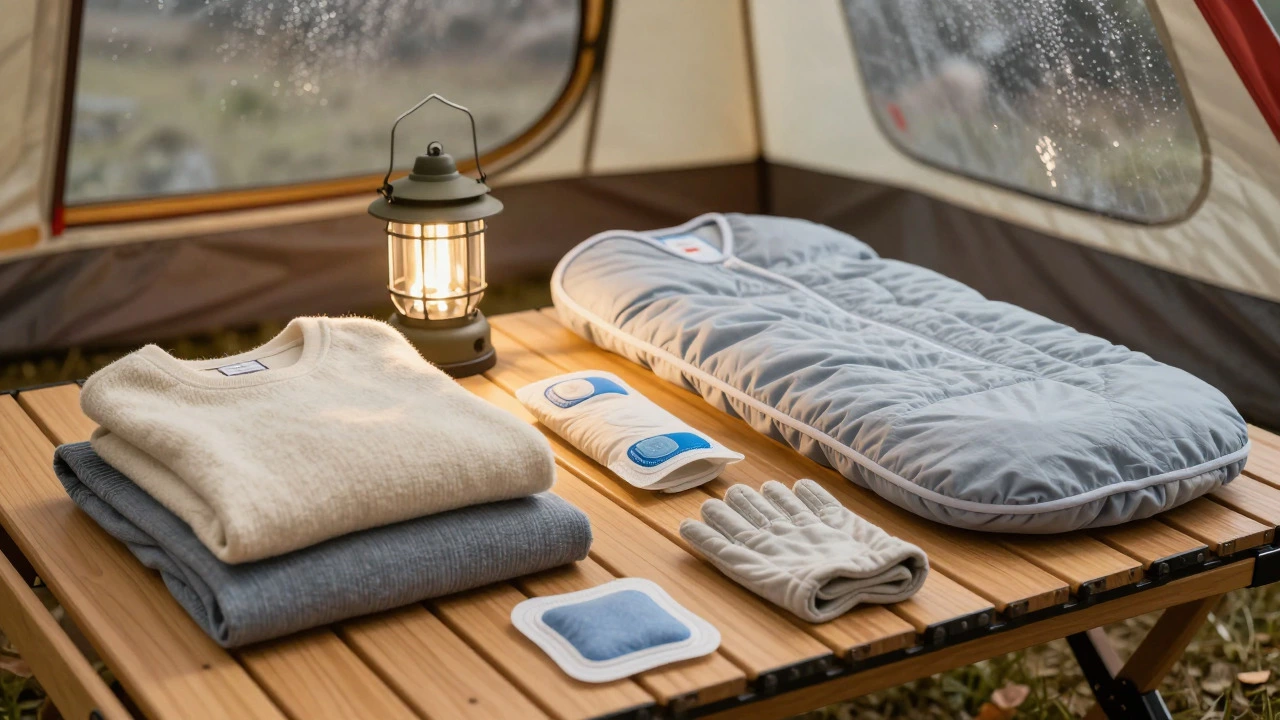
If you decide to camp in cooler weather, your gear strategy must shift from comfort to survival. The goal is to create a microclimate around the baby that stays stable regardless of the outside air.
| Item | Why It Matters | Pro Tip |
|---|---|---|
| Insulated Sleeping Pad | Ground conduction sucks heat away from the body faster than air. | Use two pads stacked: one foam for stability, one inflatable for warmth. |
| Merino Wool Layers | Cotton kills; it holds moisture. Wool insulates even when damp. | Avoid synthetic fleece directly against skin if the baby has sensitive skin. |
| Wearable Blanket / Sleep Sack | Loose blankets pose a suffocation risk. Wearable blankets stay put. | Choose one rated for the expected temperature (e.g., 10.5 tog for cold). |
| Tent Footprint | Prevents moisture from the ground seeping into the tent floor. | Extend it slightly beyond the tent edges to block rain splash-back. |
Another often-overlooked item is a Chemical Hand Warmer is a disposable packet that generates heat through an exothermic chemical reaction. Placing a hand warmer (wrapped in a cloth to prevent burns) at the foot of the sleeping bag can raise the internal temperature by several degrees. Just ensure it does not touch the baby's skin directly.
Sleep Safety in the Tent
Camping introduces new variables to safe sleep guidelines. The American Academy of Pediatrics recommends a flat, firm surface with no loose bedding. In a tent, this translates to specific actions.
- Keep the crib inside the tent: Do not leave the bassinet outside, even if it seems quiet. Temperature fluctuations are more extreme outside the tent's shelter.
- No pillows or stuffed animals: These are suffocation hazards. Stick to a bare mattress or a fitted sheet over a firm pad.
- Monitor breathing: Use a wearable monitor if you are anxious, but remember that technology can fail. Your eyes and ears are still the best tools.
- Position matters: Place the crib away from the tent walls if possible. Walls can get colder due to condensation and external contact.
Condensation is a major enemy in cold camping. Warm breath from you and the baby hits the cold tent fabric and turns to water. This moisture drips down or settles on surfaces, making everything damp. Dampness leads to rapid heat loss. To combat this, ventilate the tent slightly, even in cold weather. Open the vents to allow moist air to escape. It feels counterintuitive, but a dry tent is always warmer than a wet one.
Feeding and Hydration in the Cold
Cold weather increases caloric needs. Babies burn more energy trying to stay warm. This means they may need to feed more frequently than usual. If you are breastfeeding, make sure you are hydrated and fed yourself, as milk production requires significant energy.
If you use formula, keeping bottles warm is a challenge. Insulated bottle carriers work well for short periods, but for overnight feeds, you might need a small thermos with hot water to mix formula on demand. Never microwave formula in a tent due to fire risk and uneven heating. Always test the temperature on your wrist before feeding.
Diaper changes also become a ritual of speed and warmth. Have all supplies ready before you undress the baby. Change them in a designated "warm zone" within the tent, perhaps near where you are sleeping, to minimize exposure to the cold air.
Reading the Signs: Overheating vs. Hypothermia
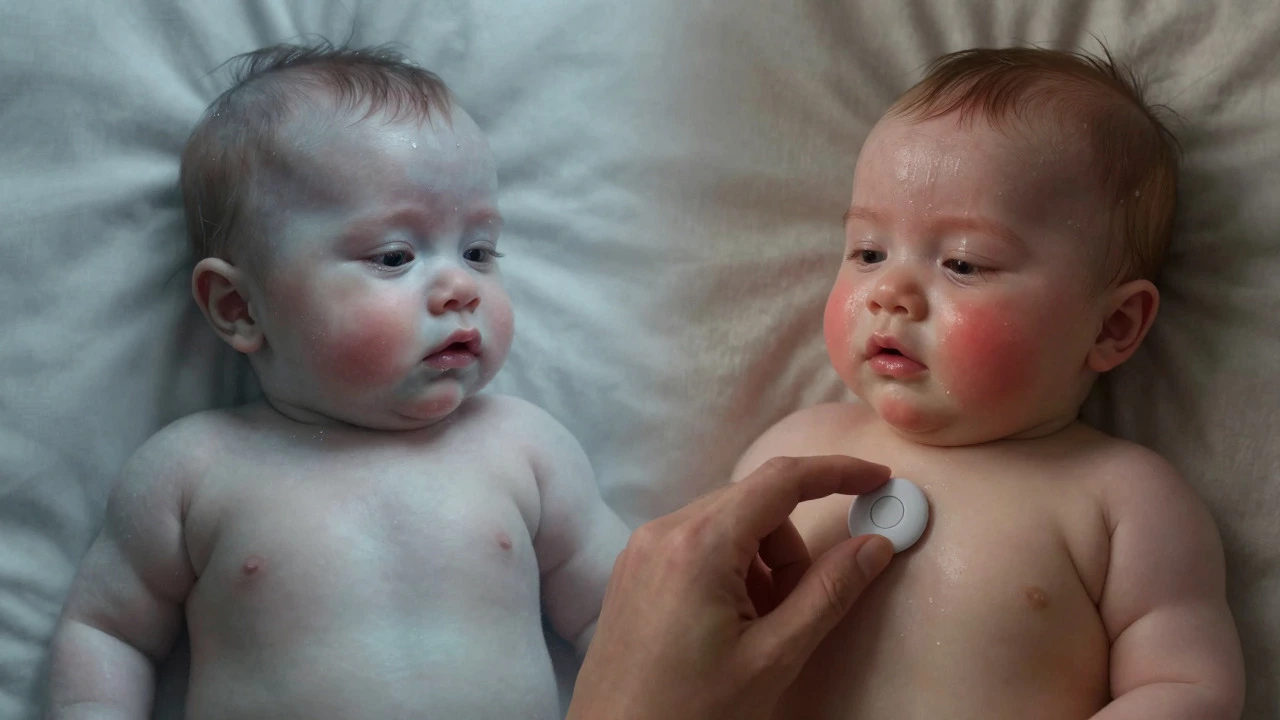
It is easy to assume that in cold weather, the only risk is being too cold. However, overheating is equally dangerous and can lead to SIDS (Sudden Infant Death Syndrome). Bundling a baby up too much is a common mistake.
How do you tell the difference? Check the baby's chest or back, not their hands or feet. Hands and feet are naturally cooler in babies. If the chest is sweaty or hot, they are overdressed. If the chest feels cool or clammy, they are too cold. Adjust layers accordingly. A good rule of thumb is to dress the baby in one more layer than you are wearing, but avoid heavy coats inside the sleeping bag, as they can restrict movement and trap moisture.
When to Call It Quits
Even with the best preparation, conditions can change. Storms roll in, temperatures plummet unexpectedly, or the baby simply refuses to settle. Listen to your instincts. If you feel uneasy, pack up and go home. There is no shame in prioritizing safety over the itinerary.
Consider having a backup plan. Many family campsites offer cabins or yurts as alternatives. These provide a solid roof and walls, reducing wind chill and ground conduction issues. They are a perfect compromise for families who want the outdoors experience without the extreme exposure.
Final Thoughts on Family Camping
Camping with a baby is a journey of adaptation. You learn to read the weather, manage gear, and trust your parental instincts. By respecting the limits of infant physiology and preparing for the cold, you can create magical memories without compromising safety. Start with warmer seasons, build your confidence, and gradually expand your horizons. The mountains will still be there next summer.
Can I camp with a newborn in winter?
It is generally not recommended to camp with a newborn (under 3 months) in winter conditions below 40°F (4°C). Their immune systems and temperature regulation are immature. Wait until they are older and more robust, or stick to spring and autumn trips with mild temperatures.
How do I keep my baby warm in a tent at night?
Use a combination of an insulated sleeping pad, merino wool layers, and a wearable blanket. Place chemical hand warmers at the foot of the sleeping bag. Ensure the tent is dry and ventilated to prevent condensation, which causes chilling.
What are the signs of hypothermia in a baby?
Look for pale or bluish skin, lethargy, weak cry, cool extremities, and difficulty feeding. If you suspect hypothermia, remove wet clothing, wrap the baby in dry blankets, and seek medical attention immediately.
Is it safe to use a space heater in a tent?
Generally, no. Most portable heaters pose a fire hazard and carbon monoxide risk in enclosed spaces like tents. Stick to passive insulation methods like quality sleeping pads and layers. If you must use heat, consider a battery-powered heated blanket designed for outdoor use, but monitor it closely.
How should I dress my baby for cold weather camping?
Dress in layers: a moisture-wicking base layer, an insulating middle layer (like wool), and a windproof outer layer. Avoid cotton. Use a hat and socks, as babies lose significant heat through their head and feet. Inside the sleeping bag, use a wearable blanket instead of loose sheets.