Gorge Camping Costs: A Realistic Budget Guide for Forest Campsites
 Oct, 4 2026
Gorge Camping Budget Estimator
Staring at a bank account after booking a trip to the Gorges can be painful. Use this tool to uncover the true cost of your camping style, including hidden fees like permits, water, and fuel.
Trip Details
Additional Costs & Logistics
Budget Breakdown
Enter your trip details and click Calculate to see where your money goes.
Staring at a bank account after booking a trip to the Gorges can be painful. You expect nature to be free, but the reality of maintaining access to rugged, remote landscapes often comes with a price tag that catches people off guard. If you are planning a trip to one of Western Australia’s iconic gorges, understanding gorge camping cost is the difference between a relaxed weekend and a stressful financial scramble. The answer isn’t a single number; it depends entirely on whether you want a designated spot with amenities or if you’re willing to rough it in the bush.
| Campsite Type | Location Example | Approximate Cost per Night | Key Features |
|---|---|---|---|
| Designated Campground | El Questro / Gibb River Rd | $35 - $65 AUD | Toilets, showers, power, managed site |
| Park Campground | Karijini National Park | $15 - $25 AUD | Basic facilities, conservation fee included |
| Free Bush Camping | Remote Forest Areas | $0 AUD | No facilities, self-sufficient only |
| Glamping Pods | Private Land Leases | $80 - $150+ AUD | Aircon, bed, luxury amenities |
The Hidden Fees Behind Free Camping
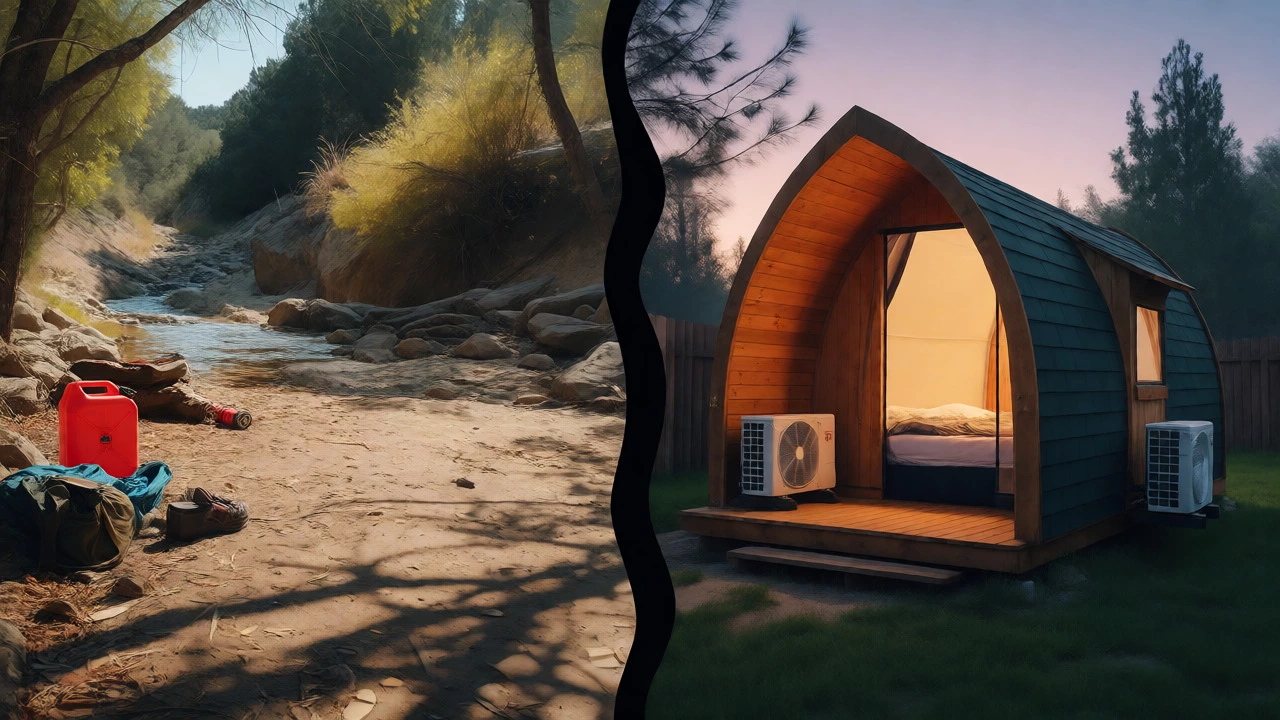
People love the idea of zero-cost camping. It sounds perfect until you realize "free" usually means you are paying in sweat and logistics. In many forest campsites surrounding major gorges, you aren't paying a campground host because there isn't one. Instead, you are paying for your own infrastructure. If you choose a free spot in a national park zone, you still need to purchase a vehicle permit. For a standard car in Western Australia, this costs around $15 for two days. Not bad, right? But factor in that these sites rarely have potable water. You might spend $20 filling up jerry cans at the nearest town before heading out. Suddenly, your "free" night has cost you $35, which is exactly what a basic powered site would have charged you.
Consider the scenario of driving into a remote area like the Pilbara or Kimberley regions. You find a flat patch of dirt near a creek bed. It looks idyllic. But without a designated bin service, you must pack out all your trash. This requires extra storage space in your vehicle, meaning less room for gear. Plus, if you don't bring a portable toilet, you're digging cat holes every time nature calls. That labor has value. When you calculate the fuel used to find water and the time spent managing waste, the true cost of free camping often rivals the price of a modest paid site.
What You Actually Pay For at Paid Sites
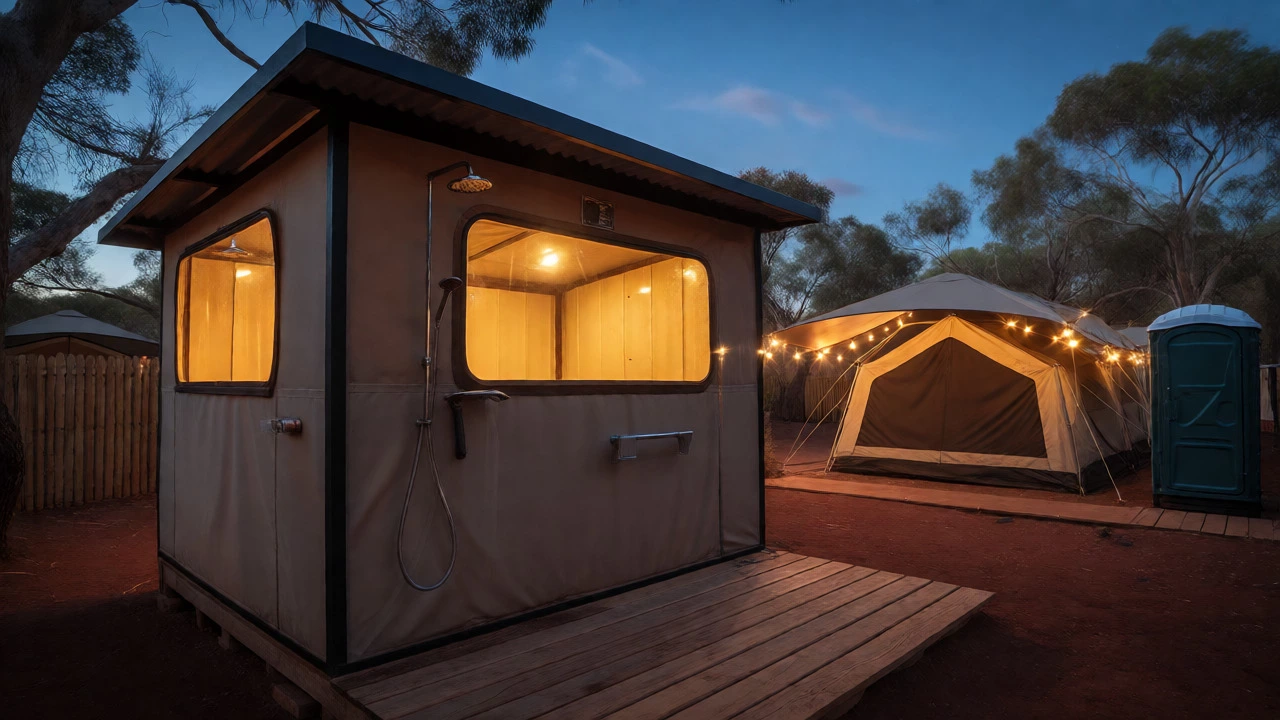
When you pay $40 for a night at a managed campground, you aren't just renting a square meter of dirt. You are buying certainty. Managed sites, such as those operated by Parks and Wildlife Service or private landholders along routes like the Gibb River Road, maintain toilets that actually flush or use chemicals effectively. They provide shower blocks with hot water, which feels like a luxury after three days of bucket baths. These fees also cover the maintenance of fire pits, ensuring you don't accidentally start a bushfire that could burn down the entire valley.
Let's look at Karijini National Park, a prime example of high-value camping. The daily entry fee covers conservation efforts that keep the gorges safe from erosion caused by thousands of hikers. If you camp inside the park at Dales or Tom Price campgrounds, the rate is significantly lower than private operators outside the gates. Why? Because the government subsidizes part of the upkeep to encourage tourism. However, these sites fill up fast during peak season (May to September). Booking ahead costs nothing, but missing out forces you to pay double for a last-minute alternative miles away.
Regional Variations: Where Your Money Goes Further
Not all gorges charge the same rates. The location dictates the price more than the scenery does. Campsites in popular tourist hubs like Margaret River or near Perth tend to be pricier due to higher demand and easier access. Conversely, remote locations in the Kimberley require expensive logistics to supply goods, so prices reflect the difficulty of getting ice or fuel to the site.
In the south-west forests, you might find council-run campsites charging as little as $10 to $15 per person. These are often no-frills spots with long-drop toilets and limited water. They are perfect for backpackers who plan to spend the day hiking and only return to sleep. On the other hand, private landowners offering "glamping" experiences in similar areas can charge upwards of $100 per night. What justifies the tenfold price difference? Usually, it's air conditioning, a real bed, and sometimes even Wi-Fi. If you are traveling with young children, that $100 might feel like a bargain compared to the hassle of setting up tents in the dark while kids cry.
Budgeting Beyond the Campsite Fee
Focusing solely on the nightly rate is a rookie mistake. The total trip cost includes several variable factors that can blow your budget. First, consider fuel. Remote gorges are not close to towns. Driving 200 kilometers to reach a cheap campsite might cost you $50 in petrol, whereas staying at a pricier site closer to the highway saves fuel. Do the math: Is saving $20 on accommodation worth spending $30 on gas?
Food costs also fluctuate based on your camping style. If you are at a site with a kitchen block, you can buy groceries in bulk and cook meals for $5 per person. If you are bush camping, you likely rely on pre-packaged dehydrated meals or restaurant takeaways, which can push food costs to $20 per person per meal. Over a four-day trip, that's a $120 difference per person. Add in potential fines-yes, they happen-for parking illegally or having an uncontained fire, and the picture becomes clearer. A $50 fine wipes out any savings you made by choosing a free site.
How to Save Without Sacrificing Comfort
You don't have to choose between poverty and luxury. There are smart ways to reduce costs while keeping the experience enjoyable. One strategy is traveling mid-week. Weekend rates at private campgrounds often include a surcharge of $5 to $10 per night. Shifting your arrival to Tuesday can save you $40 over a four-night stay. Another tactic is joining a camping club. Organizations like the Royal Automobile Club of Western Australia (RACWA) offer discounts at participating campgrounds. Membership pays for itself after just a few nights.
Also, consider sharing costs. Splitting a powered site among four people brings the individual cost down to $10 per night. This makes premium sites accessible to solo travelers or couples who wouldn't normally afford them. Just ensure you check the site's occupancy rules first; some places charge per person rather than per site.
Common Pitfalls That Inflate Bills
Many campers underestimate the cost of gear rental. If you forget your sleeping bag or stove, renting locally can cost $15 to $25 per item per day. By the end of a week, you've paid more for rentals than you did for the campsite. Always do a gear check before leaving home.
Another trap is assuming all "national park" camping is cheap. While the base fee is low, some parks charge extra for vehicle permits, group bookings, or specific heritage sites within the park. Read the fine print on the Department of Biodiversity, Conservation and Attractions website before you arrive. Ignorance leads to surprise charges at the gate, which disrupts the vibe immediately.
Is camping in WA gorges always paid?
No, but truly free options are rare and require self-sufficiency. Most established forest campsites near gorges charge a small fee to maintain facilities. Even "free" areas often require a vehicle entry permit for the national park, which acts as a hidden camping cost.
How much should I budget per night for a comfortable campsite?
For a comfortable experience with toilets, showers, and a defined pitch, budget between $35 and $60 AUD per night for a standard site. If you want power and hot water, expect to pay towards the higher end. Luxury glamping options can exceed $100 per night.
Do I need to book campsites in advance?
During peak season (May to September), yes. Popular gorges like Karijini or El Questro sell out weeks in advance. Last-minute availability often means paying double for a lesser site or driving further than planned. Outside peak season, you can often find space, but booking guarantees peace of mind.
Are dogs allowed at gorge campsites?
It varies strictly by location. Many national park campgrounds prohibit dogs to protect wildlife. Private campgrounds are more flexible but may charge a pet fee of $5-$10 per night. Always check the specific site's policy before bringing your dog.
What is the cheapest way to camp near a gorge?
The cheapest method is finding a designated free camping area on Crown Land or roadside rest areas nearby, provided you are fully self-contained (toilet, water, waste). Combine this with a multi-day vehicle pass to minimize administrative fees.