Glamping: What is the Word for Luxury Camping?
 Sep, 13 2026
Glamping Style Matcher
What is your primary goal for this trip?
Bell Tent
Romantic & Spacious
Why it fits you
You prioritized romance and open space without walls.
Key Features
- Central pole design
- Chandeliers & rugs
- Sound of rain on canvas
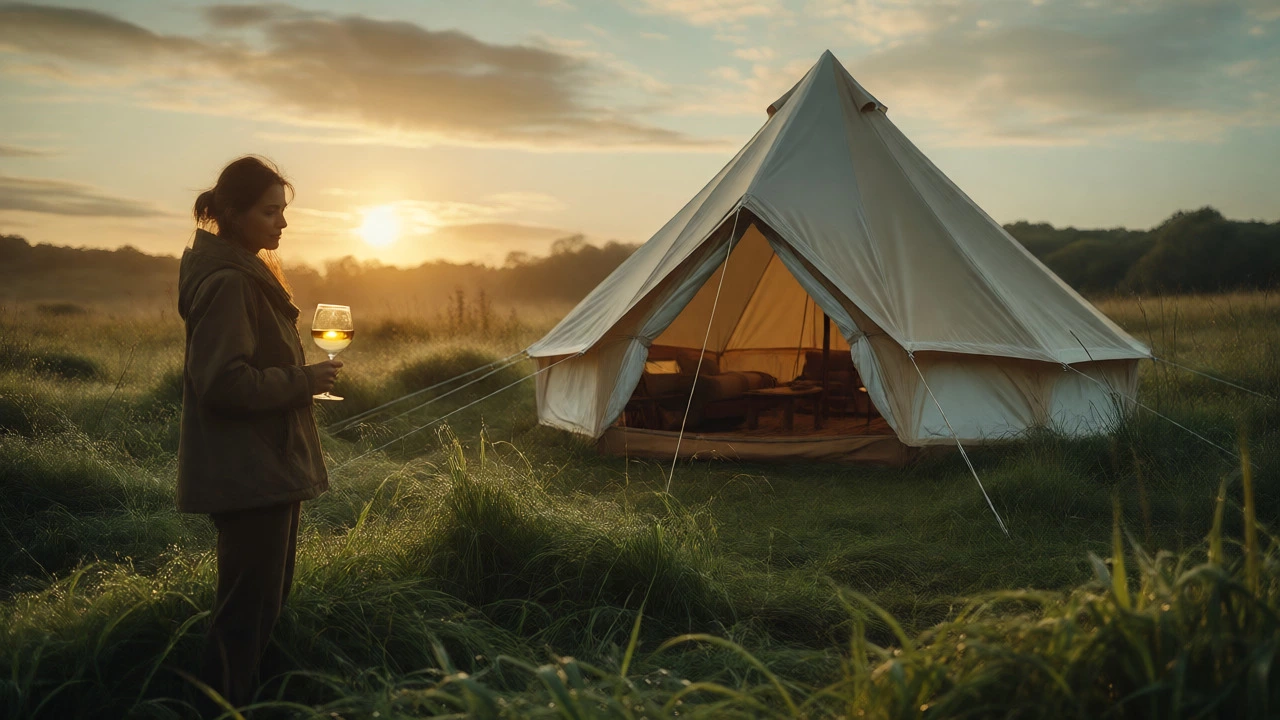
You’re standing in a field that smells like wet grass and woodsmoke. But instead of wrestling with a tent pole that keeps snapping, you’re holding a glass of chilled Chardonnay. The bed isn’t a thin foam mat; it’s a memory-foam mattress under Egyptian cotton sheets. This specific blend of rugged outdoors and hotel-grade comfort has a name, and if you’ve been calling it "luxury camping," you’re missing the industry standard term.
The word you are looking for is glamping. It is a portmanteau of "glamorous" and "camping," and it defines an entire sector of travel that prioritizes convenience without sacrificing connection to nature. Understanding this distinction matters because it changes what you expect from your stay, how much you pay, and where you find these spots. If you think glamping is just expensive tents, you haven’t seen the treehouses, yurts, and safari lodges that define the modern market.
Where Did the Term Glamping Come From?
People often assume glamping is a recent invention born out of Instagram culture. While social media definitely boosted its popularity, the concept is older than you might think. The term itself first appeared in print around 2005 in the UK, but the practice dates back centuries. Think about the lavish tents of Genghis Khan or the elaborate pavilions used by European royalty during hunting trips in the 19th century. These weren’t roughing it; they were bringing civilization into the wild.
In the early 2000s, as budget airlines made international travel cheaper and consumers sought unique experiences over standardized hotel rooms, the industry needed a label. "Camping" sounded too primitive for people who wanted hot showers and Wi-Fi. "Hotel" sounded too disconnected from nature. Glamping emerged as the middle ground, offering the aesthetic of camping with the amenities of hospitality. By 2010, major travel sites began categorizing properties under this tag, cementing it as the official vocabulary for upscale outdoor stays.
What Actually Counts as Glamping?
Not every fancy tent qualifies. There is a specific threshold where camping becomes glamping. It comes down to three factors: infrastructure, service, and structure. Standard camping requires you to bring your own gear, set up your own shelter, and manage your own waste. Glamping removes those burdens.
- Pre-set Accommodation: You do not pitch a tent. The structure-whether it’s a bell tent, dome, yurt, or cabin-is already built and furnished when you arrive.
- Real Furniture: We’re talking proper beds, sofas, and dining tables. No sleeping bags on the ground unless you want to.
- Utilities: Running water, electricity, heating, and often air conditioning are standard. Some high-end sites even offer en-suite bathrooms with flush toilets and hot showers.
- Service Level: Many glamping sites offer concierge services, daily housekeeping, or meal deliveries. You can book a massage or a private chef while staying in the woods.
If you have to hammer a stake into the ground, it’s probably still camping. If you walk in and drop your bag on a king-sized bed, it’s glamping. The line blurs slightly with "caravan parks" or "holiday homes," but those usually lack the rustic, immersive aesthetic that defines the glamping experience.
Types of Glamping Structures Explained
One reason the term is so broad is the variety of structures involved. When you search for luxury campsites, you’ll encounter several distinct types of accommodations. Knowing the difference helps you choose the right vibe for your trip.
| Structure Type | Description | Best For |
|---|---|---|
| Bell Tent | A large canvas tent with a central pole, often featuring chandeliers and rugs. Originated from military designs but styled for comfort. | Couples seeking romance or families wanting space without walls. |
| Yurt | A circular, portable dwelling originally used by nomads in Central Asia. Modern versions have insulation and wooden floors. | Winter glamping due to efficient heat retention. |
| Safari Lodge | Elevated platforms with large windows, inspired by African safari camps. Often includes private decks. | Wildlife viewing and scenic landscapes. |
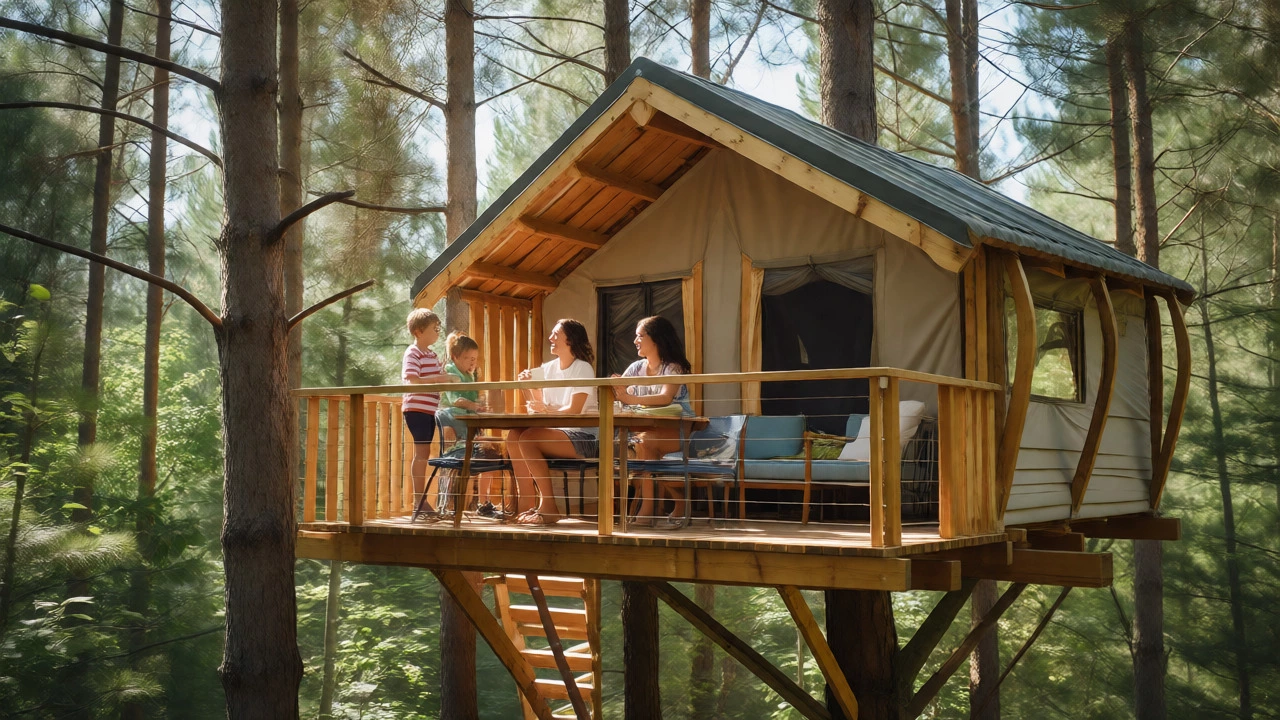
| Treehouse | Structures built among trees, ranging from simple cabins to multi-room suites with balconies. | Families with children or adventure seekers. |
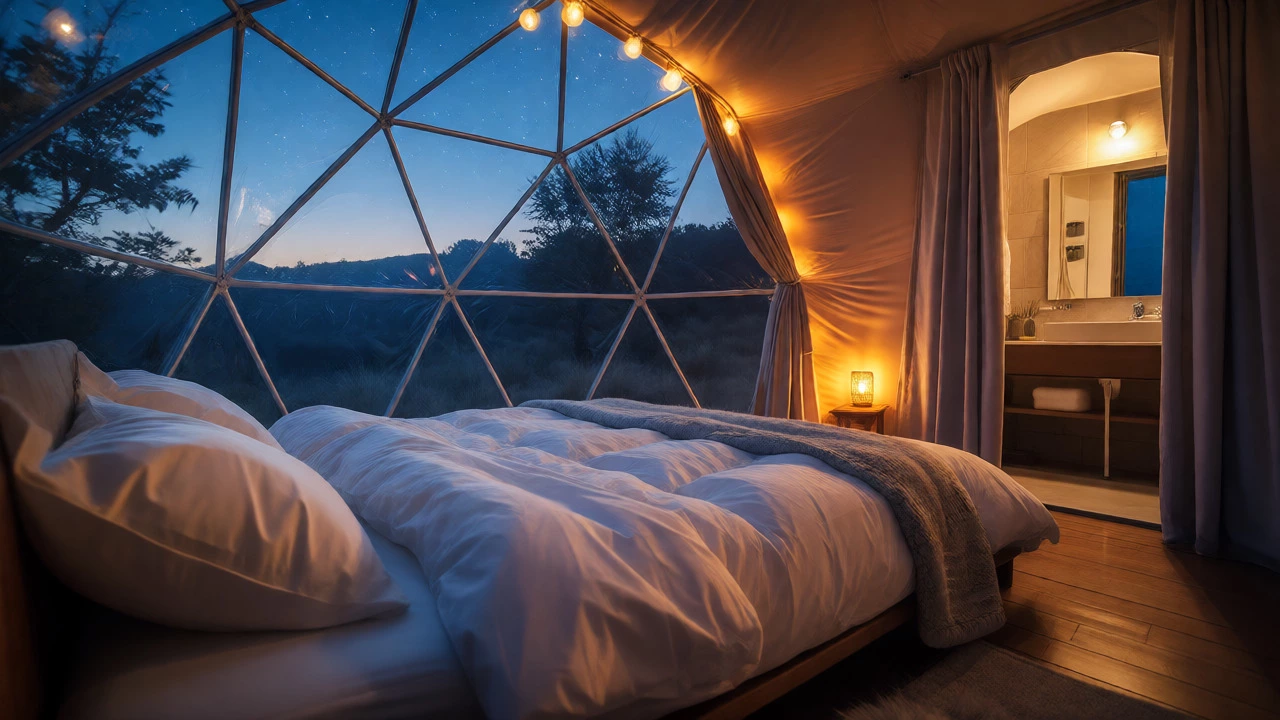
| Dome | Geodesic domes made of polycarbonate or fabric. They offer panoramic views and futuristic aesthetics. | Stargazing and unique photo opportunities. |
| Converted Vehicle | Vintage buses, Airstream trailers, or shepherd’s huts fitted with modern interiors. | Nostalgia lovers and road trippers. |
Each type offers a different relationship with the environment. A bell tent lets you hear the rain hitting the canvas, creating a cozy, enclosed feeling. A dome might have transparent panels that make you feel exposed to the sky. Your choice depends on whether you want immersion or observation.
Why People Choose Glamping Over Hotels
You might wonder why anyone would pay hotel prices-or more-to sleep in a tent. The answer lies in the experience gap. Hotels offer consistency; you know exactly what room 304 looks like in London or New York. Glamping offers uniqueness. Every site is different, often tied to a specific landscape or history.
Consider the psychological aspect. Studies in environmental psychology suggest that exposure to natural settings reduces cortisol levels and improves mood. However, many people struggle to enjoy nature if they are uncomfortable. Cold, damp, and noisy conditions create stress rather than relaxation. Glamping solves this paradox. It allows you to access the benefits of nature-fresh air, silence, starlight-without the physical toll of traditional camping. You get the reset button without the headache of setting up camp in the dark.
There is also the social currency factor. In an era of visual sharing, unique accommodations perform well. A photo of a bathtub overlooking a valley gets more engagement than a shot of a beige hotel lobby. But beyond likes, there is a genuine desire for privacy. Many glamping sites offer isolated pods, meaning you aren’t hearing your neighbors’ snoring through thin walls, a common complaint in crowded caravan parks.
How to Spot a Genuine Glamping Site
Because the term became popular, some businesses slap the "glamping" label on basic cabins to charge higher rates. To avoid being disappointed, look for specific indicators of quality.
- Check the Bedding: Look for mentions of thread count, mattress brands, or duvet quality in the listing. Cheap polyester sheets are a red flag.
- Inspect the Bathroom Situation: Is it a composting toilet or a full en-suite? True luxury usually means flushing toilets and hot running water inside the unit.
- Read Recent Reviews: Ignore the professional photos. Look for user comments about noise, cleanliness, and whether the heating actually worked in winter.
- Assess the Location: Is it truly remote, or is it parked next to a highway? Part of the allure is seclusion. Check maps to see the distance from the nearest town.
- Look for Extras: Does the site provide fire pits, BBQ equipment, or welcome baskets? These small touches indicate a focus on guest experience.
Be wary of listings that use vague terms like "rustic charm" without explaining the amenities. Rustic can mean beautiful, or it can mean no hot water. Always ask questions before booking if the description is unclear.
The Cost Reality: Is It Worth It?
Let’s talk numbers. In Australia, where I live, a night at a mid-range glamping site near Perth can cost between $250 and $600 AUD. High-end luxury lodges can exceed $1,000 per night. Compare this to a standard hotel room at $150-$200, and the price difference is stark.
However, value isn’t just about the sticker price. Consider what you save by not buying camping gear. A decent family tent costs $300+, plus poles, mats, cooking sets, and lanterns. If you only camp twice a year, you’re better off paying for glamping. Additionally, many glamping packages include breakfast or dinner, reducing food costs. If you view it as an experience purchase rather than just a place to sleep, the math often works out.
Also, consider the time saved. Traditional camping involves packing, driving, setting up, breaking down, and cleaning. That’s hours of labor. Glamping lets you arrive, unpack, and relax immediately. For busy professionals or parents with young kids, that time savings is worth significant money.
Global Variations in Terminology
While "glamping" is the dominant global term, regional variations exist. In parts of Europe, you might see "comfort camping" or "luxury safari." In North America, terms like "RV resort" or "boutique campground" sometimes overlap, though RVs imply a vehicle rather than a fixed structure. In Japan, the concept aligns closely with "ryokan" stays in rural areas, blending traditional hospitality with natural settings.
Despite these nuances, if you search for "luxury camping" online, algorithms will overwhelmingly direct you to glamping results. Using the correct term helps you filter out basic pitches and find properties with actual amenities. It signals to hosts that you expect a certain level of service, which can improve your interaction when booking.
Final Thoughts on Choosing Your Stay
So, the next time someone asks what you’re doing this weekend, don’t say you’re going camping if you’re planning to sleep on a memory foam mattress with a view of the ocean. Say you’re going glamping. It’s accurate, trendy, and sets the right expectations.
Whether you’re looking for a romantic getaway in a bell tent or a family adventure in a treehouse, understanding the definition helps you navigate the market. It’s not just about semantics; it’s about matching your comfort needs with the right environment. Nature is accessible without suffering, and that is the core promise of glamping.
Is glamping the same as luxury camping?
Yes, they are essentially the same concept. "Glamping" is the widely accepted industry term and portmanteau for "glamorous camping," while "luxury camping" is a descriptive phrase often used in marketing to explain the concept to those unfamiliar with the slang. Both refer to camping accommodations that provide hotel-like amenities such as real beds, electricity, and private bathrooms.
Do I need to bring my own bedding for glamping?
In most cases, no. One of the main selling points of glamping is that linens, pillows, and duvets are provided and laundered by the host. However, it is always wise to check the specific listing details, as some budget-friendly glamping options may require you to bring your own sleeping bag or sheets, similar to youth hostel rules.
Can you have Wi-Fi in a glamping tent?
Many glamping sites offer Wi-Fi, but the speed and reliability vary greatly depending on the location. Remote sites may rely on satellite connections or mobile boosters, which can be slow. If reliable internet is critical for your trip, ask the host specifically about their connectivity before booking, as "off-grid" glamping often implies limited digital access.
Is glamping suitable for families with young children?
Absolutely. Glamping is often easier for families than traditional camping because the setup is done for you. Children enjoy the novelty of sleeping in a tent or yurt, and parents appreciate having access to proper kitchens, heating, and safe, enclosed spaces. Many sites also offer child-friendly activities like scavenger hunts or mini-farms.
What is the difference between glamping and caravanning?
Caravanning involves traveling in a towable vehicle (caravan) that provides living quarters. Glamping typically refers to stationary structures like tents, yurts, or cabins located on a site. While both offer comfort, caravans provide mobility and self-sufficiency on the road, whereas glamping focuses on the destination experience and often features more spacious, architecturally designed accommodations.