Glamping vs Camping: Is Glamping More Expensive?
 Sep, 24 2026
Glamping vs. Camping Cost Calculator
Camping looks cheap on paper, but gear, fuel, and time add up. Glamping is expensive upfront but includes amenities. Enter your trip details to see which option actually fits your budget better.
Trip Details
Traditional Camping Assumptions
Glamping Assumptions
Traditional Camping
Assumes you provide your own shelter/gear unless rented.
Glamping
Includes accommodation, utilities, and often amenities.
💡 Tip from the Article
Remember: If you don't own gear, renting can make camping nearly as expensive as mid-range glamping. Also, consider the "Time Tax"—setting up a tent takes hours that could be spent relaxing.
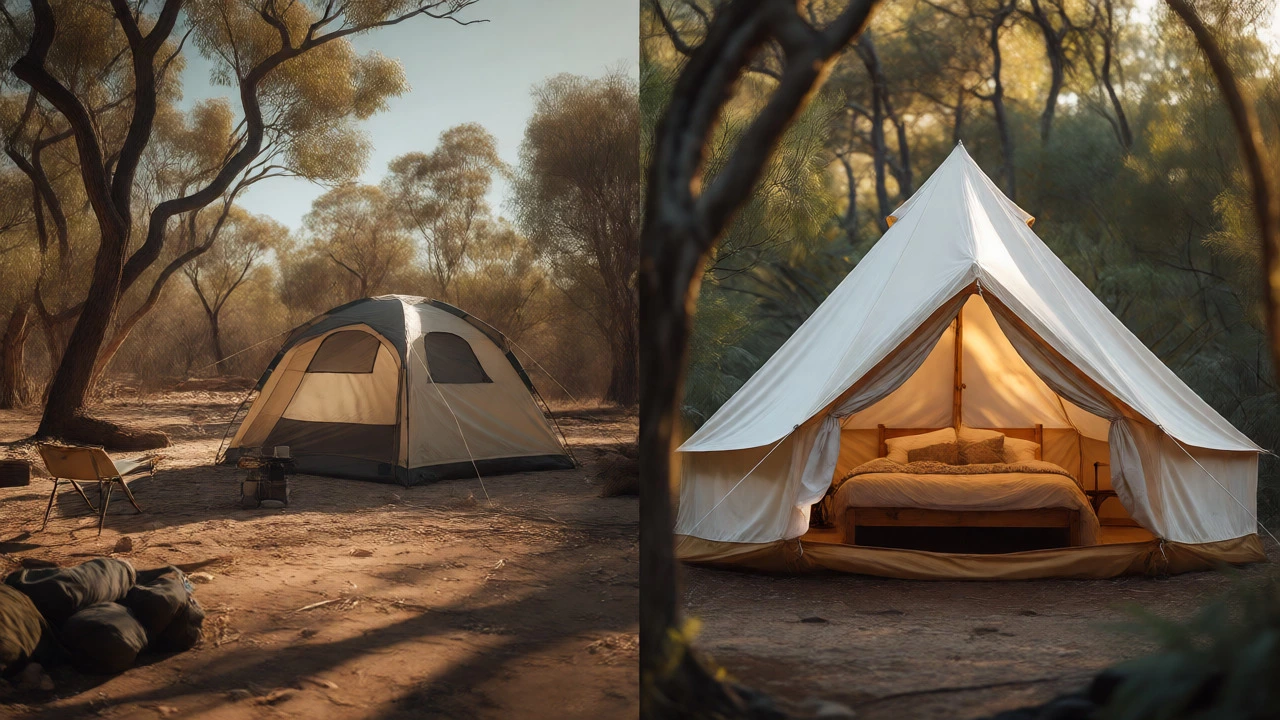
You book a spot for a weekend getaway. One option is a patch of dirt in the bush with a $15 site fee. The other is a canvas bell tent with a real bed and a private bathroom for $250. Your brain does the math instantly: Is glamping more expensive than camping? Yes, obviously. But that’s not the whole story. If you look at the final receipt, the gap often shrinks, or sometimes disappears entirely, depending on what you already own.
Most people assume camping is cheap because the site fee is low. That’s a trap. Cheap site fees don’t mean cheap trips. Once you factor in gear, fuel, food logistics, and your time, the financial picture gets messy. Let’s break down where the money actually goes so you can decide which experience gives you the best return on investment.
The Hidden Costs of Traditional Camping
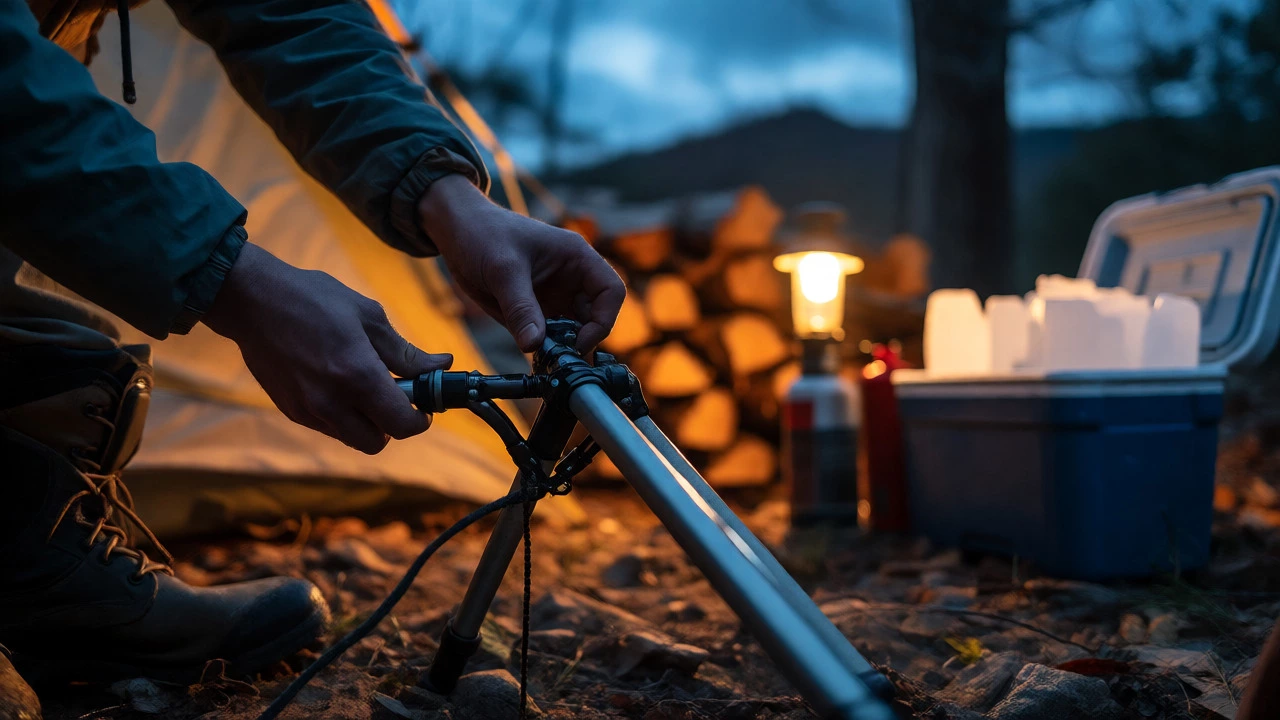
Camping looks free until you realize you need to buy everything. A basic setup isn’t just a tent. You need a sleeping bag rated for the temperature, a sleeping pad for insulation, a stove, cookware, lighting, and storage. For a family of four, getting started can easily hit $800 to $1,200 AUD if you’re buying new gear. Even if you buy second-hand, you’re looking at significant upfront capital.
Then there’s the consumable stuff. Propane gas refills, firewood (which is often overpriced at campsites), and specialized cleaning supplies add up. You also pay for convenience-or rather, the lack of it. If your campsite doesn’t have potable water nearby, you might buy bottled water. If there’s no fridge, you’re buying ice daily. Over a three-day trip, those small purchases stack up faster than you think.
Time is money, too. Setting up a complex tent takes hours. Packing it away takes even longer. If you value your weekends, that’s lost leisure time you could have spent hiking, reading, or relaxing. With traditional camping, you’re paying with your labor to save cash. With glamping, you’re paying cash to save your labor.
What You’re Actually Paying For in Glamping
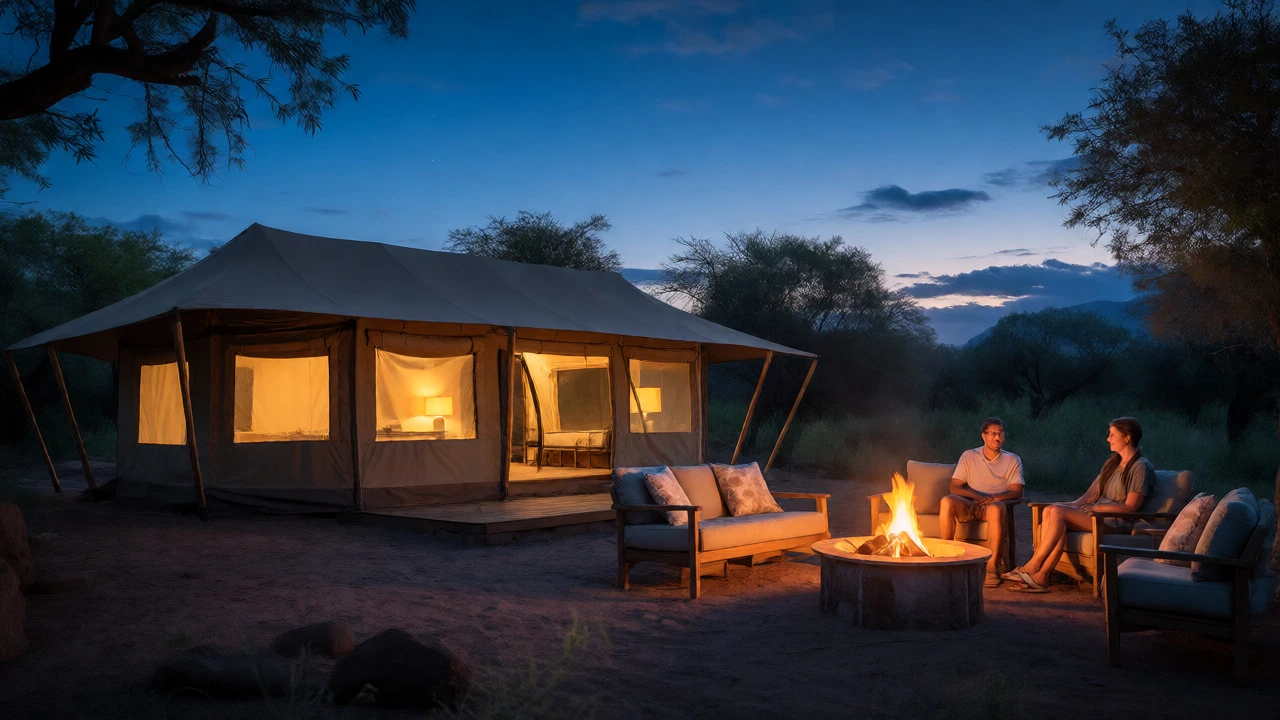
Glamping is a form of camping involving luxurious amenities and equipment, blending the outdoors with hotel-style comfort. When you pay a premium for a glamping site, you aren’t just renting a space; you’re renting a service. Think of it like an Airbnb or a boutique hotel, but with trees around it.
The price tag covers infrastructure you don’t have to maintain. Heated floors, proper mattresses, linens, towels, and fully equipped kitchens are standard in many high-end sites. In Australia, many glamping spots include utilities like electricity and hot water in the nightly rate. You walk in with a suitcase and leave without lifting a heavy load. There’s no mud to clean off boots, no wet sleeping bags to dry out, and no struggling with guy ropes in the wind.
Many operators also bundle experiences. Some glamping packages include breakfast hampers, guided nature walks, or access to private pools. These extras have monetary value. If you were camping traditionally, you’d pay separately for a tour operator or buy groceries to make your own breakfast. By bundling these, glamping sites offer a consolidated price that can be competitive when compared to the 'à la carte' costs of DIY camping.
Breaking Down the Numbers: A Cost Comparison
To see if the premium is worth it, let’s compare a hypothetical three-night weekend for two adults in Western Australia. We’ll look at two scenarios: Basic Tent Camping and Luxury Bell Tent Glamping.
| Expense Category | Traditional Camping (Owned Gear) | Glamping (No Gear Needed) |
|---|---|---|
| Site/Accommodation Fee | $60 ($20/night) | $450 ($150/night) |
| Gear Rental/Purchase Amortization | $0 (if owned) / $150 (if rented) | $0 |
| Food & Drink | $120 (Groceries + Ice) | $100 (Pre-ordered hamper + dining) |
| Fuel & Transport | $80 | $80 |
| Miscellaneous (Firewood, etc.) | $40 | $0 (Included) |
| Total Estimated Cost | $300 - $450 | $630 |
In this scenario, glamping is roughly double the cost. But wait-did you account for the wear and tear on your car from driving on rough tracks? Or the cost of replacing that torn tent pole? If you had to rent gear for camping, the traditional option jumps to $450. Now we’re only $180 apart. For some, that $180 buys a night of sleep on a real mattress instead of a thin foam pad. That’s a tangible value proposition.
When Glamping Offers Better Value
There are specific situations where glamping is actually cheaper than camping. The biggest one is gear ownership. If you don’t own a tent, sleeping bags, or cooking kit, renting them for a weekend can cost $100-$200. Add that to the site fee, and you’re halfway to a glamping price. If you only camp once a year, buying gear is a terrible financial decision. Glamping removes the barrier to entry.
Another factor is location. Premium campsites in tourist hotspots like Margaret River or Byron Bay charge high site fees anyway. Sometimes, a basic powered site at a major holiday park costs $80-$100 per night. At that price point, you might find a basic yurt or cabin for $120-$140. The difference is negligible, but the comfort level is vastly different. Why pay hotel prices for a concrete pad when you can get a roofed structure for slightly more?
Group dynamics matter, too. If you’re traveling with friends who don’t camp, splitting the cost of a large glamping lodge can be surprisingly affordable. A six-person safari tent might cost $400 a night. Split six ways, that’s $66 per person. Compare that to each person paying $30 for a site plus their share of rental gear, and the numbers get close. Plus, you avoid the drama of who forgot the stove.
When Traditional Camping Wins on Price
If you already own your gear and you love the process, camping is unbeatable. The marginal cost of adding another person to your tent is zero. Glamping sites usually charge per person or have strict occupancy limits. If you’re a solo backpacker or a couple with full kits, you can camp for under $20 a night. No glamping site matches that rock-bottom price.
Long-term stays also favor camping. Many caravan parks offer weekly rates that drop significantly after seven nights. While some glamping sites offer discounts, they rarely drop to the same levels as budget camping grounds. If you plan to spend two weeks in the bush, the savings from camping compound. A $150/night glamping rate becomes $2,100 for two weeks. A $25/night camping rate is $350. That’s a massive difference that funds a lot of future trips.
Also, consider the "DIY" potential. Camping allows you to bring your own alcohol, cook exactly what you want, and avoid resort fees. Glamping sites often have restrictions on outside food or charge corkage fees if you bring wine. These hidden rules can inflate the bill unexpectedly.
How to Decide Which Fits Your Budget
Ask yourself three questions before booking:
- Do I own reliable camping gear? If no, and you won’t use it again soon, go glamping. Renting gear is inefficient.
- Am I seeking rest or adventure? If you want to wake up refreshed without back pain, the extra cost for a real bed is justified. If you want to disconnect completely and don’t mind discomfort, stick to camping.
- What is my total trip budget? Calculate the all-in cost. Don’t just look at the headline price. Include fuel, food, gear rental, and entertainment. Often, the "cheap" camping trip ends up costing the same as the mid-range glamping option due to logistical inefficiencies.
For most Australians living in cities like Perth, Sydney, or Melbourne, glamping serves as a gateway. It lets you test the waters without investing hundreds in equipment. If you try it and hate the mosquitoes, you haven’t wasted money on a tent you never use. If you love it, you’ve saved yourself the hassle of setting up for your first few trips.
Frequently Asked Questions
Is glamping always more expensive than camping?
Not always. While nightly rates are higher, the total cost can be similar if you factor in gear rental, food convenience, and travel logistics. For beginners without equipment, glamping can be cheaper than buying or renting a full camping kit.
Why is glamping so much more expensive?
You are paying for infrastructure, maintenance, and services. This includes laundry, housekeeping, utilities (electricity/water), and high-quality furnishings. Unlike camping, where you provide your own shelter, glamping sites manage complex structures that require professional upkeep.
Can I bring my own food to a glamping site?
It depends on the site. Most self-contained glamping units allow you to bring your own groceries and cook. However, some luxury lodges operate like hotels with meal plans or kitchenettes that may have usage fees. Always check the specific policy before booking.
Is glamping worth it for families with kids?
Often, yes. Parents frequently cite better sleep, easier hygiene management, and safer environments (no open fires inside tents) as key benefits. The reduced stress of setup and teardown makes the higher price tag worthwhile for many families.
What is the average cost of glamping in Australia?
Prices vary widely by region and season. Budget glamping options start around $100-$150 AUD per night, while luxury suites can exceed $400 AUD per night. Peak seasons in popular areas like Tasmania or Queensland command the highest rates.