Free Camping in Michigan: Best Spots and Rules
 Nov, 16 2026
Michigan Free Camping Legal Checker
Select your scenario below to check legality and get specific rule reminders.
Key Regulations for This Spot:
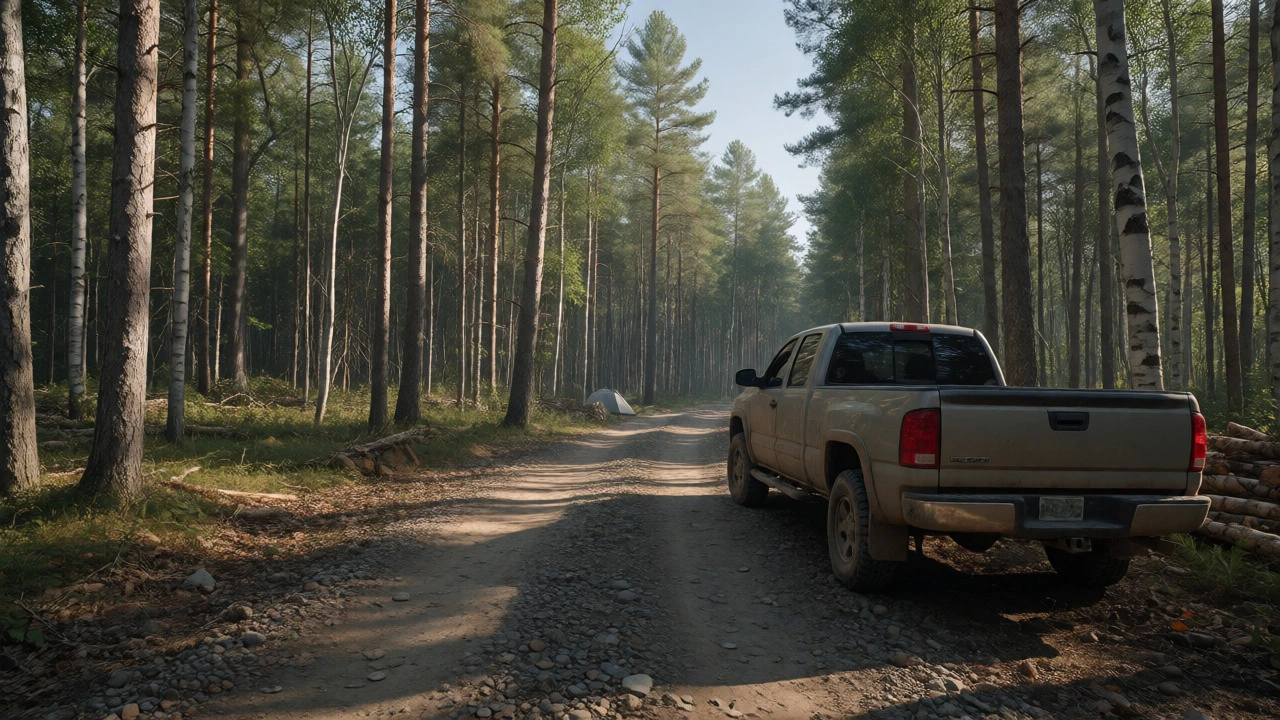
Imagine pulling your truck onto a dirt track deep in the Upper Peninsula, turning off the engine, and realizing you haven't spent a dime on a campsite. No reservation fees, no crowded hookups, just you, the trees, and the sound of wind through the pines. This isn't a fantasy; it's a reality for thousands of campers every year. But where exactly can you do this without getting a ticket? Free camping is the practice of staying overnight on public land without paying a fee, often referred to as dispersed camping or boondocking. In Michigan, this opportunity is vast but strictly regulated by specific land management agencies.
You might think all public land is fair game. It isn't. If you pitch a tent in the wrong spot, you could face fines ranging from $50 to several hundred dollars. The key is knowing which agency manages the land and what their specific rules are. Michigan offers some of the best free camping opportunities in the Midwest, primarily through its State Forests and National Forests. Let's break down exactly where to go and how to stay legal.
Understanding Dispersed Camping vs. Boondocking
Before you pack your gear, let's clear up the terminology. You'll hear two terms thrown around a lot: dispersed camping and boondocking. They mean similar things but have different implications for where you sleep.
Dispersed camping is camping outside of designated developed recreation sites on public land, typically managed by federal or state agencies. This is the standard term used by the U.S. Forest Service (USFS) and Michigan Department of Natural Resources (DNR). You aren't using a marked site with a fire ring or picnic table. You're finding a flat spot, usually within 150 feet of a road or trail, and setting up shop.
Boondocking is a term more common among RVers referring to dry camping without hookups, often on Bureau of Land Management (BLM) land or private land with permission. While Michigan doesn't have much BLM land, the concept applies to anyone sleeping in an RV without water, sewer, or electric connections. For most people looking for "free camping" in Michigan's forests, they are actually looking for dispersed camping.
Why does this distinction matter? Because regulations differ. State Forests allow dispersed camping under DNR rules. National Forests follow USFS rules. County parks usually charge fees. Knowing which map layer to check saves you from waking up to a ranger knocking on your window.
Michigan State Forests: The Primary Hub
If you want reliable, legal, and truly free spots, start with the Michigan State Forests. These are public lands managed by the Michigan Department of Natural Resources (DNR) specifically for multiple uses including timber harvesting, recreation, and wildlife habitat. There are 47 state forest units covering over 3.8 million acres across the Lower and Upper Peninsulas.
The general rule for dispersed camping in State Forests is simple: you can camp anywhere except where signs prohibit it. However, there are critical restrictions. You cannot camp within 150 feet of any developed facility, such as a parking area, boat launch, or restroom. You also need to avoid areas marked for active logging operations. Always check the current status of the forest unit before you go, as seasonal closures happen frequently.
| State Forest Unit | Region | Best For | Key Access Road |
|---|---|---|---|
| Huron-Manistee National Forests | Northern LP & UP | Lakeside access, hiking | M-37, M-55 |
| Crawford County State Forest | Central LP | Families, short hikes | M-93, M-64 |
| Ottawa National Forest | Western LP | Dunes, quiet solitude | M-45, M-120 |
| Hiawatha National Forest | Eastern UP | Rugged terrain, fishing | M-28, M-94 |
| Pellston State Forest | Central UP | Deep wilderness | M-123, M-68 |
Crawford County State Forest is a favorite for beginners because the roads are well-maintained gravel, not mud pits. You can drive deep into the woods, find a clearing near a stream, and still be only twenty minutes from town if you run out of coffee. Huron-Manistee is massive, spanning both peninsulas. It offers incredible variety, from sandy beaches on Lake Michigan to dense hardwood forests perfect for autumn foliage hunting.
National Forests: Where Federal Rules Apply
Michigan has three major national forests: Ottawa, Huron-Manistee, and Hiawatha. These are federal lands managed by the U.S. Forest Service that offer extensive dispersed camping opportunities. Unlike state forests, these areas often have stricter enforcement regarding fire bans and waste disposal.
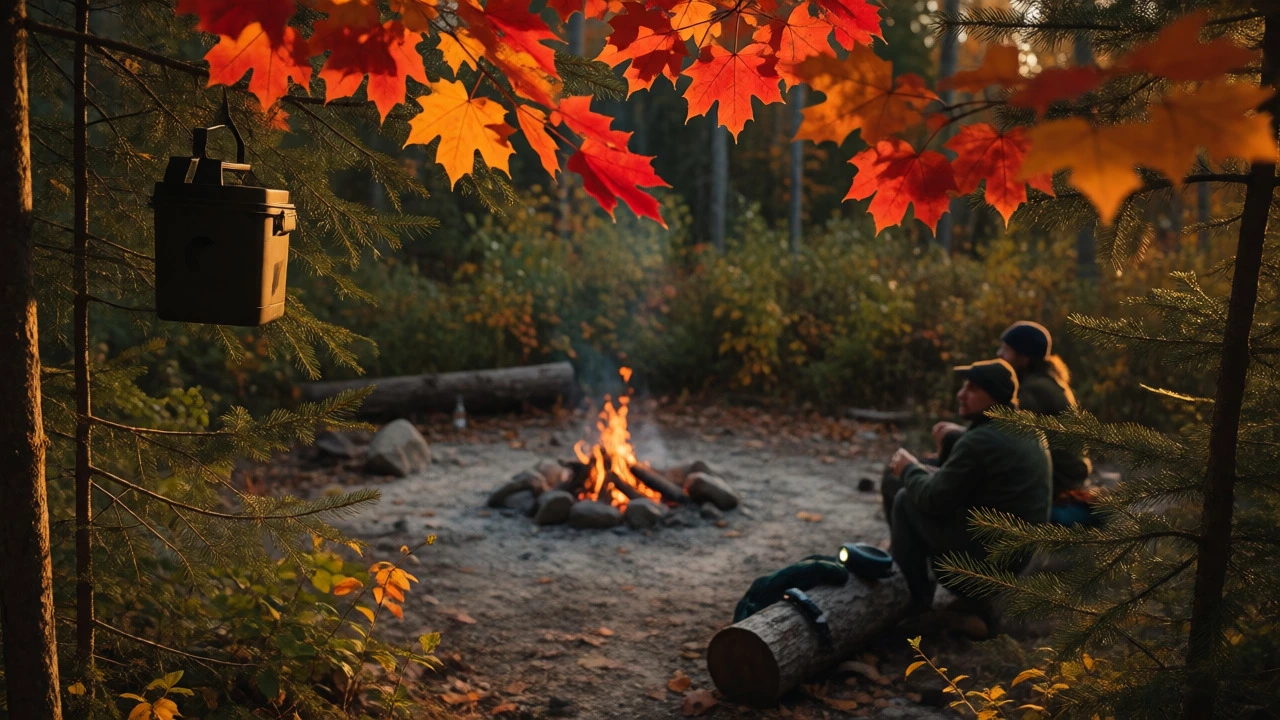
The USFS allows dispersed camping for up to 14 days within a 28-day period. After that, you must move at least five miles away. This prevents people from turning a free spot into a permanent residence. When you leave, you must pack out everything you brought in. No burying trash. No leaving food scraps for the bears. Yes, black bears are present in all three national forests, so proper food storage is non-negotiable.
A pro tip for National Forests: use the Avenza Maps app or download offline maps from the USFS website. Cell service is spotty to nonexistent in many parts of Hiawatha and Huron-Manistee. If you get stuck in a rut after a rainstorm, having a map that works without signal is crucial. Also, look for old logging roads. They are wide enough for trucks and RVs but less traveled than main highways, offering instant privacy.
The Great Lakes Shoreline Challenge
Everyone wants to camp on the beach. But in Michigan, "free" beach camping is rare. Most shoreline access points are either privately owned or part of paid state parks. However, there are exceptions. Some sections of the Ottawa National Wildlife Refuge allow primitive camping, though permits may be required depending on the season.
In the Upper Peninsula, look for spots along the Keweenaw Peninsula. While many beaches are protected, certain stretches of sand dunes adjacent to state forests allow dispersed camping. Just remember the 150-foot rule. You likely won't be right on the water's edge, but you might be close enough to hear the waves crashing while you fall asleep.
Beware of "stealth camping" on county park beaches. Many counties strictly prohibit overnight stays unless you pay for a site. Sleeping in your car in a day-use parking lot after hours can result in tickets. Always check local ordinances posted at the entrance gate.
Essential Gear and Etiquette for Michigan Woods
Free camping means you bring your own amenities. You won't find flush toilets or running water. Your comfort depends entirely on your preparation. Here is what you need to survive comfortably in Michigan's variable climate.
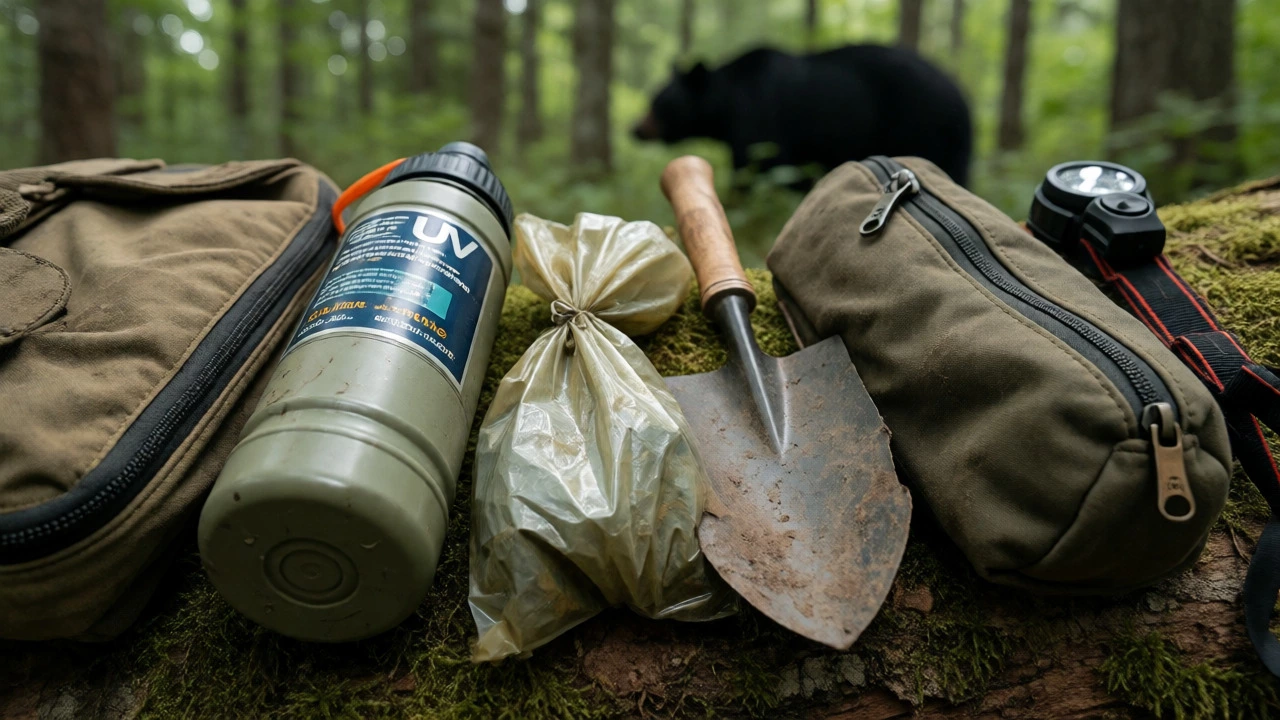
- Water: Bring at least one gallon per person per day. Streams look clean but often contain giardia or other parasites. Use a filter or UV purifier if you plan to refill from natural sources.
- Firewood: Buy it locally. Moving firewood across county lines spreads invasive pests like the Emerald Ash Borer. If collecting deadfall, ensure it is fully cured and not standing timber.
- Trowel and Bags: You must dig a cathole six inches deep for human waste and pack out toilet paper. Double-bagging is recommended to prevent smells and leaks.
- Headlamp: Nights in the UP are dark. Real dark. Without light pollution, the stars are brilliant, but navigating your campsite requires hands-free lighting.
Etiquette is vital for keeping these spots open. Park on durable surfaces-gravel, rock, or hardened dirt. Avoid crushing wildflowers or creating new ruts in soft soil. If you see another camper, wave but don't invade their space. Silence is golden here; keep music low or skip it entirely. Respect the neighbors, even if those neighbors are deer or coyotes.
Seasonal Considerations and Bug Reality
Timing your trip makes or breaks the experience. Michigan winters are brutal. Snowmobile trails often double as winter camping routes, but you need specialized gear. Spring brings mud. Roads that were passable in summer become impassable quagmires during thaw. Wait until late May or early June for solid ground.
Summer is peak bug season. Mosquitoes in the UP can be relentless, especially near lakes and bogs. Ticks are prevalent in tall grass and brushy areas throughout the state. Check yourself thoroughly after hiking. Deer flies are aggressive in July and August. A good head net and high-deet repellent are worth their weight in gold.
Fall is arguably the best time. The humidity drops, bugs disappear, and the foliage turns spectacular shades of red and orange. Temperatures cool down, making nights cozy rather than sweltering. Just be aware that hunting seasons begin in October. Wear blaze orange if you plan to hike off-trail, and stick to established campsites to avoid confusion with hunters.
How to Find Specific Spots Today
Don't rely solely on word-of-mouth. Land designations change. Use digital tools to verify legality before you drive out.
- Michigan DNR Recreation Compass: This online tool shows public land boundaries. Zoom in to see if a parcel is State Forest or State Park. Parks require fees; forests usually don't.
- USFS Motor Vehicle Use Maps (MVUM): Download the MVUM for your target national forest. These maps show which roads are open to motorized vehicles. Camping is generally allowed along legal roads.
- iOverlander App: A community-driven database where campers log coordinates, reviews, and photos of free spots. Look for recent comments (within the last 6 months) to confirm accessibility.
- OnX Hunt: Originally for hunters, this app provides detailed land ownership layers. Green is public, purple is private, yellow is mixed. It helps you avoid trespassing on private property hidden within forest blocks.
Always call the local Ranger District office before your trip. Ask about current fire bans, road conditions, or bear activity. Rangers appreciate proactive campers and can point you toward uncrowded areas they know locals prefer.
Is it legal to sleep in my car in Michigan State Forests?
Yes, sleeping in your vehicle is considered camping under dispersed camping rules. As long as you are not parked in a designated "No Parking" zone or blocking traffic, and you follow the 150-foot distance rule from developed facilities, it is legal. Ensure your vehicle is completely off the roadway to avoid safety hazards.
Can I build a campfire anywhere in Michigan State Forests?
Not anywhere. You can only build fires in existing fire rings or on bare mineral soil if no ring exists. During high fire danger periods, the DNR may impose total fire bans across entire forest units. Always check the daily fire ban status on the DNR website before striking a match.
Do I need a permit for free camping in Michigan?
Generally, no permit is needed for dispersed camping in State or National Forests. However, some specific areas, like certain wildlife refuges or special management zones, may require a self-issue permit available at kiosks. Always read signage at the trailhead or forest boundary marker.
How far apart should we camp from other groups?
While there is no strict minimum distance law for dispersed camping, the spirit of the regulation is solitude. Aim to be out of sight and earshot of other campers. Typically, moving at least 200 yards from the nearest occupied site ensures privacy and reduces noise impact for everyone involved.
Are there bears in the areas where I can camp for free?
Yes, black bears inhabit most forested regions in Michigan, particularly in the Upper Peninsula and northern Lower Peninsula. You must store food and scented items (toothpaste, sunscreen) in a bear-resistant container or hang them properly. Never cook or eat inside your tent.