Does Michigan Have Free Camping? A Guide to Dispersed and Boondocking Sites
 Jun, 15 2026
Michigan Dispersed Camping Planner
Select a National Forest to discover specific areas for free dispersed camping.
Huron-Manistee
Northern Lower PeninsulaOttawa
Upper Peninsula (Lake Superior)Hiawatha
Upper Peninsula (Dunes/Wetlands)Private Land
Non-Federal PropertyRecommended Areas:
Key Features & Tips:
Check if your planned camping setup meets the USDA Forest Service requirements to avoid fines.
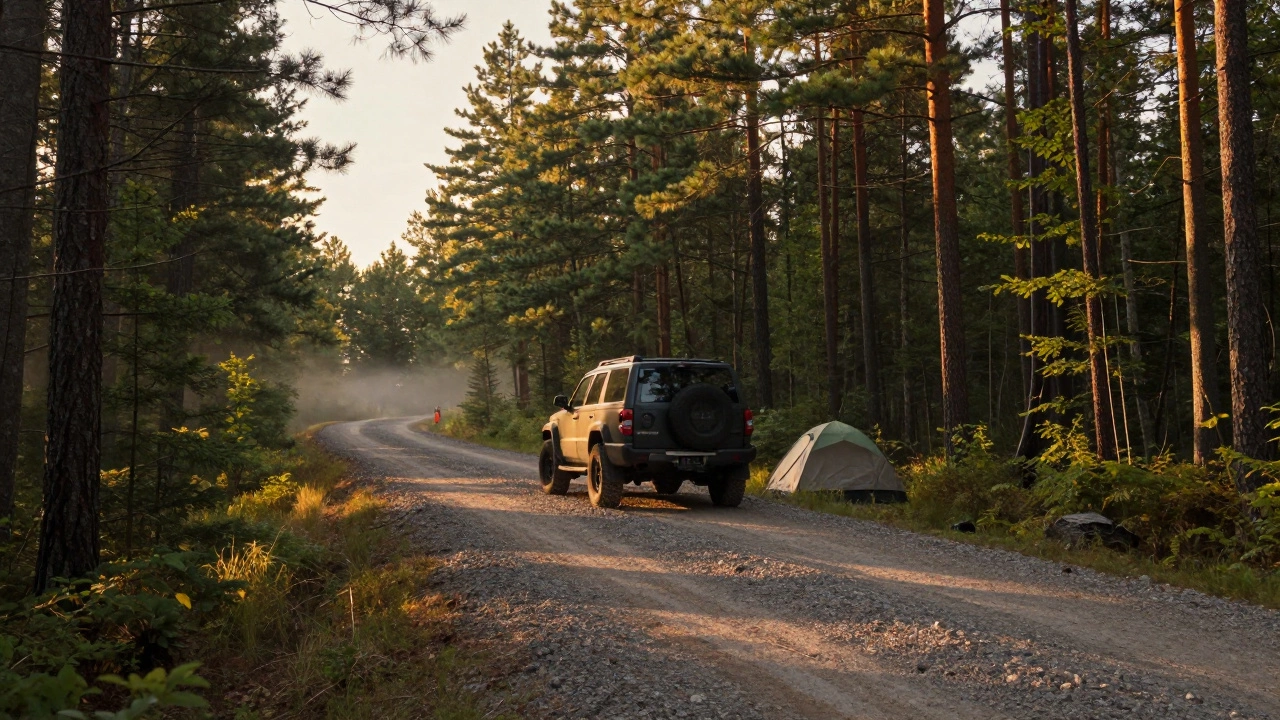
Picture this: you’re driving through the dense pine forests of Michigan’s Upper Peninsula, the sun is setting, and you spot a quiet pull-off with no fee box in sight. You park, set up your tent, and enjoy a night under the stars for zero dollars. Sounds like a dream, right? Well, it’s actually possible-if you know where to look and how to do it legally.
The short answer to "does Michigan have free camping?" is yes. But it comes with strict conditions. You won’t find free camping at state parks or popular county campgrounds. Instead, free camping in Michigan happens primarily on public lands managed by the United States Department of Agriculture (USDA) Forest Service, which allows dispersed camping in designated areas of national forests. There are also some lesser-known spots on Bureau of Land Management (BLM) land and specific county roads that permit overnight parking, though these are rarer.
What Is Dispersed Camping?
Before you pack your gear, you need to understand what "free camping" actually means in Michigan. It’s not just finding an empty patch of grass. The term used by authorities is dispersed camping. This refers to camping outside of developed campgrounds-places without hookups, restrooms, trash services, or fire rings.
When you dispersed camp, you are essentially leaving no trace. You bring everything in, including water, and you take everything out, including waste. The USDA Forest Service manages most of the land where this is allowed. According to their regulations, dispersed camping is permitted unless specifically posted otherwise. This means you can camp almost anywhere in the forest as long as you stay off private property, avoid restricted zones, and follow distance rules from water sources and trails.
It’s important to distinguish this from wild camping on private land, which is illegal without permission. In Michigan, much of the land is privately owned, especially in the Lower Peninsula. So, sticking to National Forests is your safest bet for legal, free stays.
Where Can You Camp for Free in Michigan?
Much of Michigan’s best free camping is found in its three national forests. These vast tracts of public land offer thousands of square miles of potential spots. Here’s where you should focus your search:
- Huron-Manistee National Forests: Located in the northern Lower Peninsula, this area offers access to the Sleeping Bear Dunes vicinity and dense hardwood forests. Look for dispersed camping along Forest Development Roads (FDRs).
- Ottawa National Forest: Spanning the Upper Peninsula, this forest covers rugged terrain near Lake Superior. It’s ideal for those seeking solitude and cooler temperatures.
- Hiawatha National Forest: Also in the UP, Hiawatha features unique sand dunes and wetlands. Dispersed camping is common here, but be mindful of fragile ecosystems.
In addition to national forests, some county roads in remote areas allow overnight parking. However, this is highly localized and often changes. Always check local ordinances before pulling over on a county road. If there’s a sign saying "No Overnight Parking," respect it. The fine isn’t worth the hassle.
Rules and Regulations You Must Follow
Free doesn’t mean lawless. To keep dispersed camping available for everyone, the USDA Forest Service enforces several key rules. Ignoring them can result in fines or being asked to leave immediately.
- Distance from Water: You must camp at least 200 feet away from lakes, rivers, and streams. This protects water quality and wildlife habitats.
- Distance from Trails: Stay at least 100 feet away from any established trail or road. This ensures privacy for hikers and drivers alike.
- No New Fires: Building new fire rings is prohibited. Use existing ones if they are safe and permitted, or use a portable stove. Check current fire bans before starting any flame.
- Waste Management: Pack out all trash. For human waste, dig a cathole at least 6-8 inches deep and 200 feet from water, then cover it completely.
- Stay Limit: You can only stay in one dispersed site for up to 14 days within a 30-day period. After that, you must move at least 25 miles away.
These rules exist to prevent environmental degradation. When you see other campers following them, it creates a positive cycle of stewardship. When people ignore them, the land suffers, and eventually, access gets restricted.
Best Spots for Free Camping in Michigan
Finding the perfect spot requires some legwork. Here are a few proven strategies and locations to help you get started:
| Location | Forest | Features | Difficulty Finding Spot |
|---|---|---|---|
| Sleeping Bear Dunes Vicinity | Huron-Manistee | Pine forests, lake views | High (popular) |
| Tahquamenon Falls Area | Ottawa | Rugged terrain, waterfalls | Medium |
| Porcupine Mountains | Ottawa | Wilderness, scenic drives | Low (remote) |
| Cedar River Road | Hiawatha | Dunes, wetlands | Medium |
Sleeping Bear Dunes Vicinity: While the dunes themselves are a paid unit, the surrounding Huron-Manistee National Forest has numerous FDRs with dispersed camping. Look for pull-offs along M-109 or Forest Development Road 715. Be prepared for competition during peak summer months.
Tahquamenon Falls Area: The Ottawa National Forest around Tahquamenon offers stunning scenery. Drive down Forest Development Road 5550 for secluded spots near the river. Remember to stay 200 feet back from the water.
Porcupine Mountains: For true solitude, head to the Porcupine Mountains Wilderness State Park border. While the park itself charges fees, the adjacent Ottawa National Forest allows dispersed camping. This area is less crowded and perfect for those who don’t mind rougher terrain.
What to Bring for Free Camping
Since you’re foregoing amenities, preparation is key. Here’s a checklist of essentials:
- Water: Bring enough drinking water or a reliable filtration system. Natural sources may contain bacteria or parasites.
- Food Storage: Use bear-proof containers or hang food bags from trees. Wildlife in Michigan includes black bears, raccoons, and deer.
- Navigation Tools: GPS devices or offline maps are crucial since cell service is spotty in many forest areas.
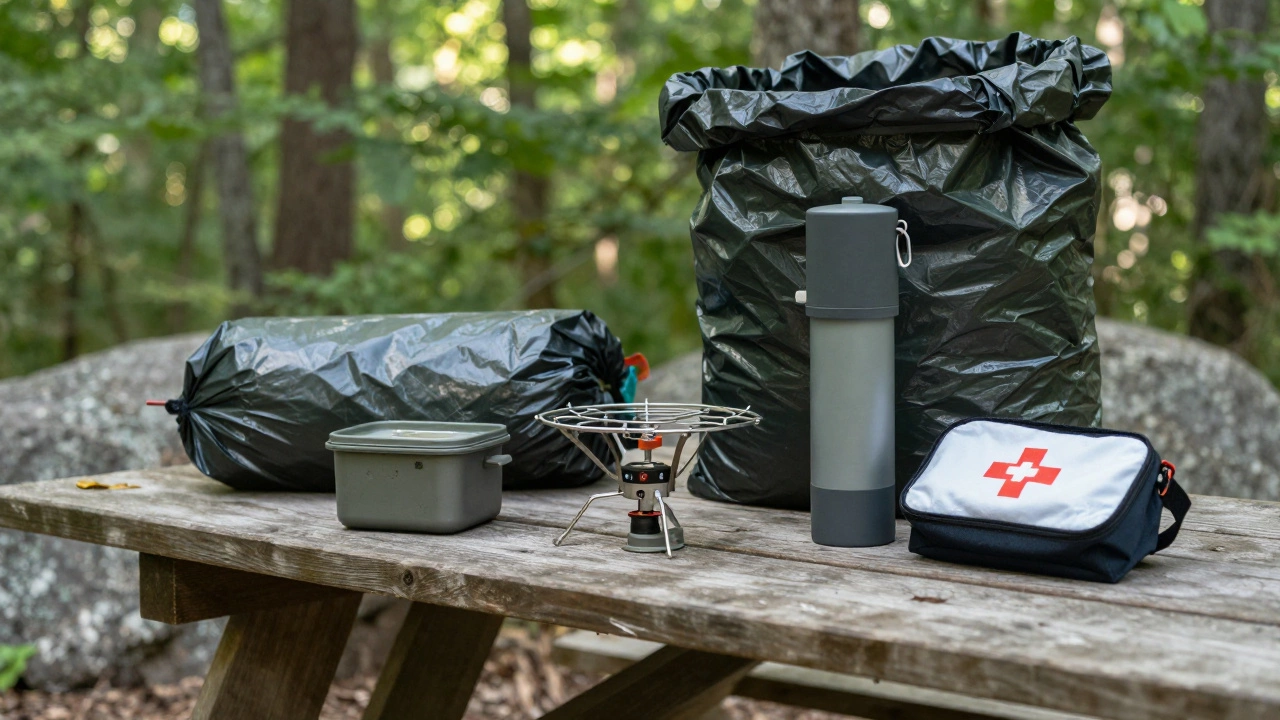
- Camp Stove: Portable stoves are safer and more eco-friendly than open fires, especially during dry seasons.
- Trash Bags: Multiple sturdy bags to pack out all waste. Leave no trace.
- First Aid Kit: Include supplies for minor injuries, insect bites, and allergic reactions.
Don’t forget clothing layers. Michigan weather can change quickly, even in summer. Rain jackets and warm sweaters are wise additions to your pack.
Common Mistakes to Avoid
Even experienced campers make errors when trying free camping. Here’s what to watch out for:
Camping Too Close to Roads: While convenient, parking too close to main highways can lead to noise complaints and safety issues. Aim for quieter FDRs instead.
Ignoring Fire Bans: During dry spells, open fires may be prohibited. Check the USDA Forest Service website for current alerts before arriving.
Overstaying Your Welcome: The 14-day limit is strict. Staying longer can result in citations. Rotate between different sites to comply.
Leaving Trace: Cutting branches, digging trenches, or leaving markers violates Leave No Trace principles. Respect the land so others can enjoy it too.
Is Free Camping Safe in Michigan?
Generally, yes. National forests are monitored by rangers, and crime rates in remote camping areas are low. However, basic precautions apply. Tell someone your plans, carry communication devices, and be aware of wildlife. Black bears are present in the Upper Peninsula and parts of the Lower Peninsula. Store food properly and make noise while hiking to avoid surprising animals.
If you feel uncomfortable or unsafe, relocate immediately. Your well-being is more important than saving money on camping fees.
Can I camp for free in Michigan state parks?
No, Michigan state parks charge fees for all camping sites. Free camping is only allowed on certain public lands like national forests where dispersed camping is permitted.
How long can I stay at a free camping site?
You can stay up to 14 days within a 30-day period at one dispersed site. After that, you must move at least 25 miles away to another location.
Do I need a permit for dispersed camping?
In most cases, no permit is required for dispersed camping in Michigan’s national forests. However, always check local regulations as some areas may have specific requirements.
Are there any free camping apps for Michigan?
Yes, apps like iOverlander and FreeRoam provide user-generated data on free camping spots. Cross-reference with official USDA Forest Service maps for accuracy.
Can I build a fire while free camping?
Only if fire bans are not in effect and you use existing fire rings. Never build new fire rings. Using a portable stove is recommended for safety and environmental reasons.