Class A vs Class C Motorhome: Which One Fits Your Trip?
 Nov, 15 2026
Motorhome Matchmaker
Answer these questions to find out which motorhome class fits your next adventure best.
Recommendation:
| Factor | Class A Motorhome | Class C Motorhome |
|---|---|---|
| Cost Efficiency | Higher Purchase/Rental | Lower Purchase/Rental |
| Driving Ease | Stable but Large | Familiar Truck Feel |
| Living Space | Apartment-style | Compact/Utilitarian |
| Site Access | Limited (Long/Wide) | Flexible (Smaller) |
Why this match?
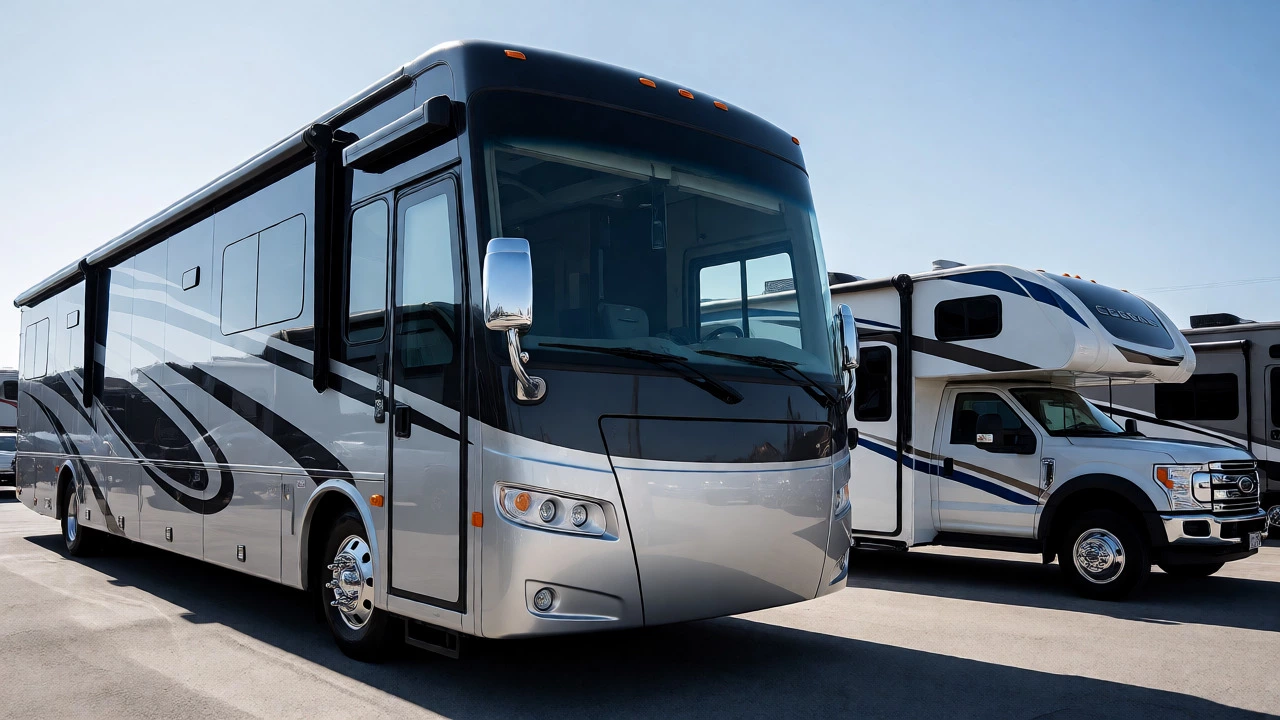
Standing in a dealership lot or scrolling through rental listings, you see two massive vehicles that look like they belong on a movie set. One is a sleek, bus-like giant with no hood. The other looks like a pickup truck wearing a house on its back. You need to book a trip, but the price tags are different, and your gut tells you these aren't just aesthetic choices. They dictate how you drive, where you sleep, and how much you pay for fuel. Choosing between a Class A motorhome and a Class C motorhome isn't about which one is "better" in a vacuum; it's about which one survives your specific travel style.
Most people assume bigger means better comfort. That’s often true for square footage, but it ignores the stress of maneuvering a 40-foot vehicle into a tight campsite. Conversely, many think the smaller option is easier, but Class Cs can be surprisingly tricky to handle due to their unique weight distribution. This guide breaks down the real-world differences so you don't end up stranded at a campground entrance because your rig is too wide for the gate.
What Exactly Are Class A and Class C Motorhomes?
To make a smart choice, you first need to know what you're looking at. These classifications come from the Recreation Vehicle Industry Association (RVIA), and they define the chassis and construction method.
A Class A motorhome is essentially a custom-built bus. It sits on a commercial-grade chassis, often diesel-powered, and features a flat front with no separate cab. The driver sits inside the living space, sharing the aisle with passengers. These rigs range from 26 to 45 feet long and are designed for luxury and long-term living. Think of them as mobile apartments.
In contrast, a Class C motorhome is built on a cutaway van or truck chassis. You can spot them instantly by the over-cab bunk area that hangs over the driver's cabin. The driver sits in a traditional truck-style cab, separated from the living area by a curtain or door. These typically range from 20 to 38 feet and are popular among families who want more space than a camper van but less bulk than a bus.
The Driving Experience: Stress vs. Stability
This is where the rubber meets the road-literally. If you’ve never driven an RV, this factor should weigh heavily on your decision.
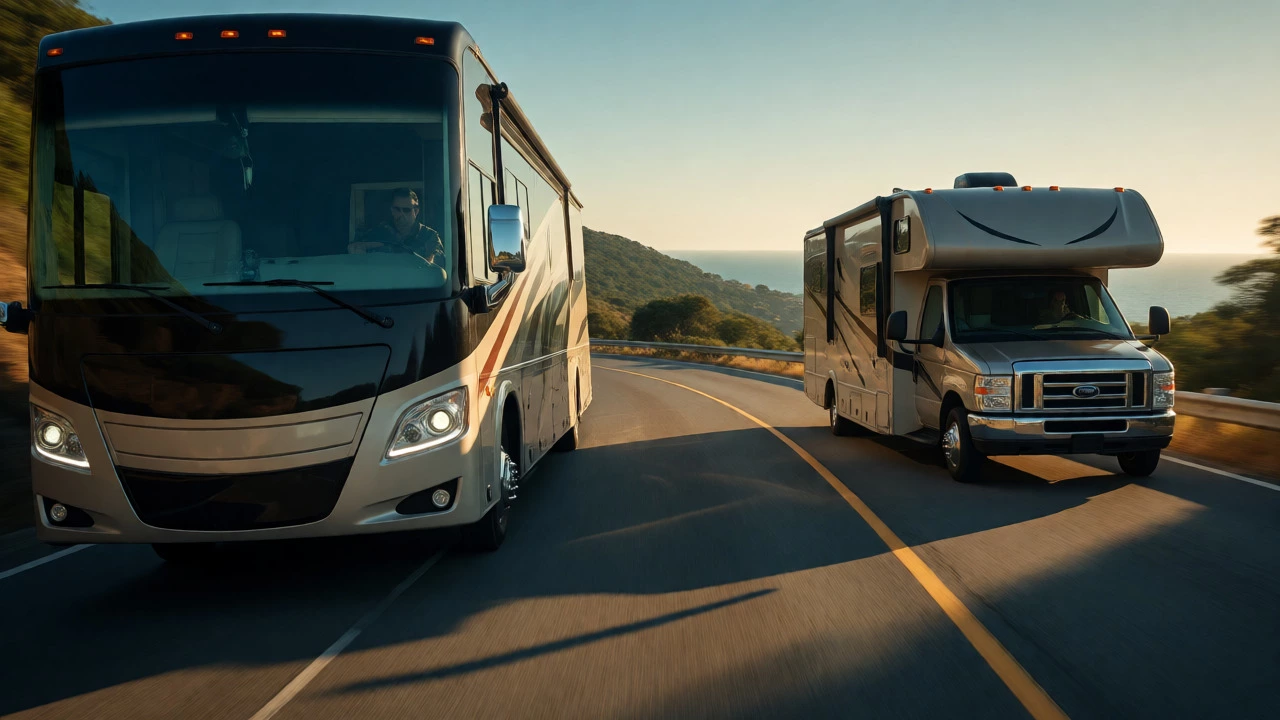
Driving a Class A feels like operating a city bus. The ride is smooth, the power steering is light, and the visibility is excellent thanks to the large windshield. However, the sheer size makes it intimidating. Turning radiuses are huge. Backing up requires mirrors that extend six feet out from the body. In Perth, navigating narrow suburban streets or tight coastal roads in a 40-foot Class A requires patience and practice. If you’re planning to tow a car behind you (a "toad"), that adds another layer of complexity.
Class C driving is a mixed bag. Because it’s built on a truck chassis, the handling feels familiar if you’re used to driving pickups or vans. But there’s a catch: the weight distribution is rear-heavy. The heavy living quarters hang over the rear axle, while the engine is under the front hood. This can cause the front end to feel light at highway speeds, leading to a phenomenon known as "porpoising," where the front wheels bounce slightly. You have to drive smoother and slower in crosswinds compared to a Class A, which has a lower center of gravity and better aerodynamic stability.
Living Space and Layout Flexibility
If you plan to spend significant time inside your rig-perhaps during rainy days or winter trips-the interior layout matters more than the exterior size.
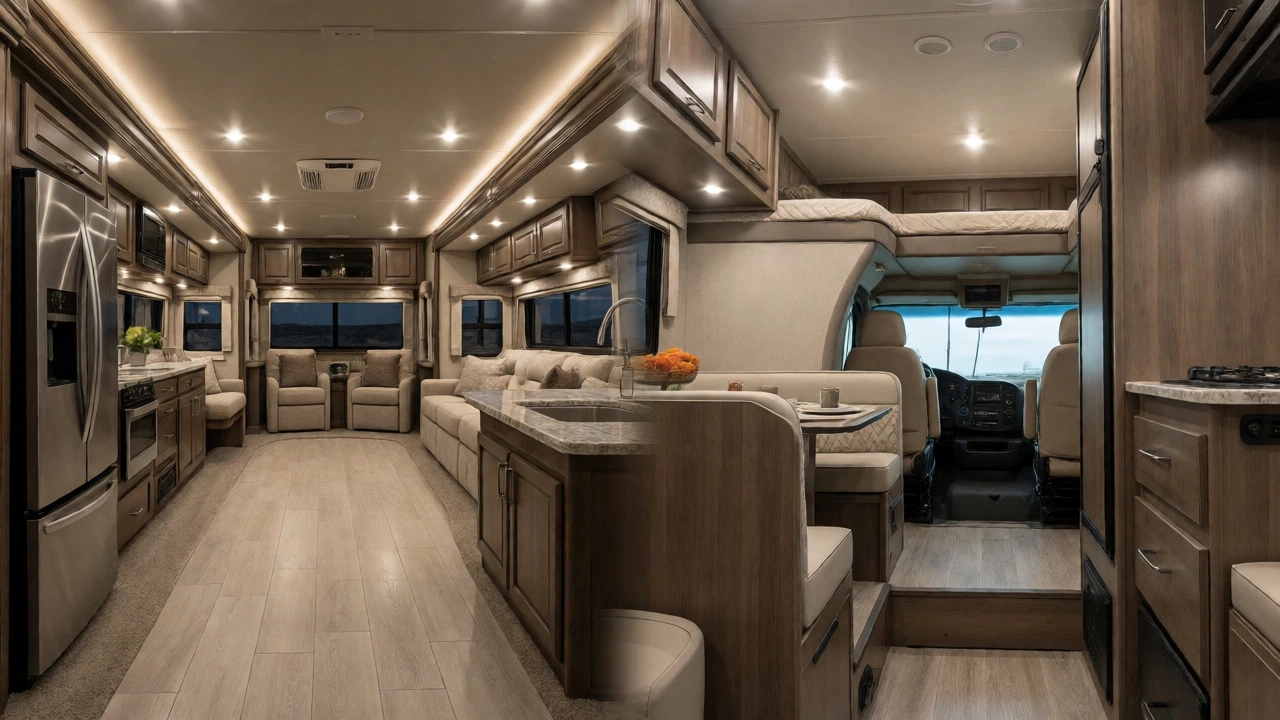
Class A motorhomes win on livability. The flat floor design means no steps up into the living area (in many models) and wider aisles. You’ll find residential-style furniture, full-size refrigerators, and often multiple slide-outs that expand the width when parked. Kitchens are fully equipped with convection ovens, dishwashers, and granite countertops. Bathrooms are larger, sometimes featuring glass showers instead of plastic stalls. If you’re traveling as a couple or solo, a Class A offers a level of comfort that rivals a hotel suite.
Class C motorhomes prioritize utility over luxury. The over-cab bunk is great for kids, freeing up sleeping space elsewhere. Many Class Cs feature a "dinette" that converts into a bed, maximizing sleeping capacity without adding length. However, the floors are often higher off the ground, requiring steps to enter. Slide-outs exist but are smaller and fewer than in Class As. The kitchen might have a compact fridge rather than a full-size one. It’s functional, efficient, and family-friendly, but it doesn’t feel like home in the same way a Class A does.
Cost Breakdown: Purchase, Fuel, and Maintenance
Money talks. The initial sticker price is just the beginning of the financial conversation.
| Expense Category | Class A Motorhome | Class C Motorhome |
|---|---|---|
| Initial Purchase Price | $150,000 - $500,000+ | $75,000 - $200,000 |
| Fuel Economy | 8-12 MPG (Diesel) | 10-15 MPG (Gas) |
| Maintenance Costs | High (Specialized mechanics) | Moderate (Standard auto shops) |
| Insurance Premiums | Higher (Replacement value) | Lower (Lower replacement cost) |
| Campground Fees | Premium sites only | Acceptable at most standard sites |
Class A rigs are expensive to buy and maintain. Diesel engines require specialized servicing, and parts are costly. Insurance rates reflect the high replacement value. On the flip side, Class Cs use gas engines found in Ford E-Series or Chevy Express vans. Any competent mechanic can work on the chassis. Parts are cheaper and easier to find. If you’re renting, expect to pay significantly more per day for a Class A, plus higher mileage charges due to fuel consumption.
Where Can You Actually Park Them?
Here is a practical reality check: not all campsites can accommodate a Class A. Many older state parks and private campgrounds have site lengths capped at 30 or 35 feet. If you book a 40-foot Class A, you might get turned away or forced to park on grass outside the designated pad. Always check the "max length" before booking.
Class C motorhomes fit into more places. Their shorter length allows access to tighter spots, including some national park campgrounds that restrict oversized vehicles. However, watch out for height restrictions. While both classes are tall, Class Cs can sometimes hit low-hanging branches or garage doors if you’re not careful. Both require reservation planning, but Class Cs offer more flexibility for spontaneous stops.
Who Should Choose Which?
Let’s simplify this into personas.
- Choose a Class A if: You are a retired couple or empty nester planning long-distance tours (e.g., crossing Australia or touring Europe). You want luxury amenities, plan to stay in one place for weeks, and have the budget for premium costs. You enjoy driving large vehicles and have experience towing.
- Choose a Class C if: You are a family with children. You need multiple sleeping areas (over-cab bunk + dinette bed). You are new to RVing and want a more manageable size. You plan to visit diverse locations, including smaller campgrounds. You want lower upfront and ongoing costs.
Is a Class C motorhome hard to drive for beginners?
It is generally easier than a Class A but harder than a passenger car. The main challenge is the rear-heavy weight distribution, which affects braking and cornering. Beginners should practice in an empty parking lot before hitting the highway. Taking a defensive driving course specifically for RVs is highly recommended.
Can I live full-time in a Class C motorhome?
Yes, many people do. However, you will sacrifice storage space and privacy. Full-timers in Class Cs often rely on external storage boxes and must be disciplined about decluttering. Class As are generally preferred for full-time living due to larger tanks, batteries, and living areas, but a well-equipped Class C can absolutely serve as a permanent home.
Which motorhome holds its resale value better?
Class A motorhomes tend to hold their value slightly better over the long term, especially diesel models from reputable brands like Newmar or Prevost. Class C values drop faster because they are viewed as entry-level RVs. However, the absolute dollar loss is higher on a Class A because the starting price is much higher.
Do I need a special license to drive these?
In most Australian states and US states, you do not need a special commercial license for personal use, provided the Gross Vehicle Weight Rating (GVWR) is under 4,500 kg (approx 10,000 lbs). Some larger Class A models exceed this limit, requiring a heavier vehicle endorsement. Always check local regulations before renting or buying.
Which is better for cold weather camping?
Class A motorhomes usually have better insulation and heating systems. They often feature dual-pane windows and heated underbellies to protect plumbing. Class Cs can suffer from poor insulation, particularly in the roof and walls, making them colder in winter unless you add thermal mats and skirting. For serious cold-weather trips, Class A is the superior choice.