Carolina Beach Fire Rules: Can You Have a Fire on the Sand?
 Nov, 26 2026
Carolina Beach Fire Rule Checker
Check if your planned activity is allowed before you strike a match. Select your scenario below.
You’re parked in your camper or set up your tent near the dunes, the sun is dipping below the horizon, and you’re craving that classic beach vibe. The smell of salt air mixed with woodsmoke? That’s the dream. But before you strike a match or light your propane lantern, you need to know one critical thing: Can you have a fire on Carolina Beach?
The short answer is: it depends entirely on where you are standing and what time of year it is. It’s not a simple yes or no. One spot might allow a roaring bonfire, while ten yards away, a single ember could get you fined. This guide breaks down exactly where you can burn, what fuels are allowed, and how to avoid getting a ticket from the local authorities.
Public Beach vs. Private Property
Most people asking this question are staying at public access points or nearby state parks. Here is the hard truth about the main public beaches in the Carolina Beach area (including Wrightsville Beach and Kure Beach): Open fires directly on the sand are generally prohibited.
Why? Because the sand gets too hot, destroys vegetation, and poses a risk to sea turtles nesting in the summer. If you try to dig a hole and light a pile of driftwood on the open beach during peak season, you’re likely breaking town ordinances.
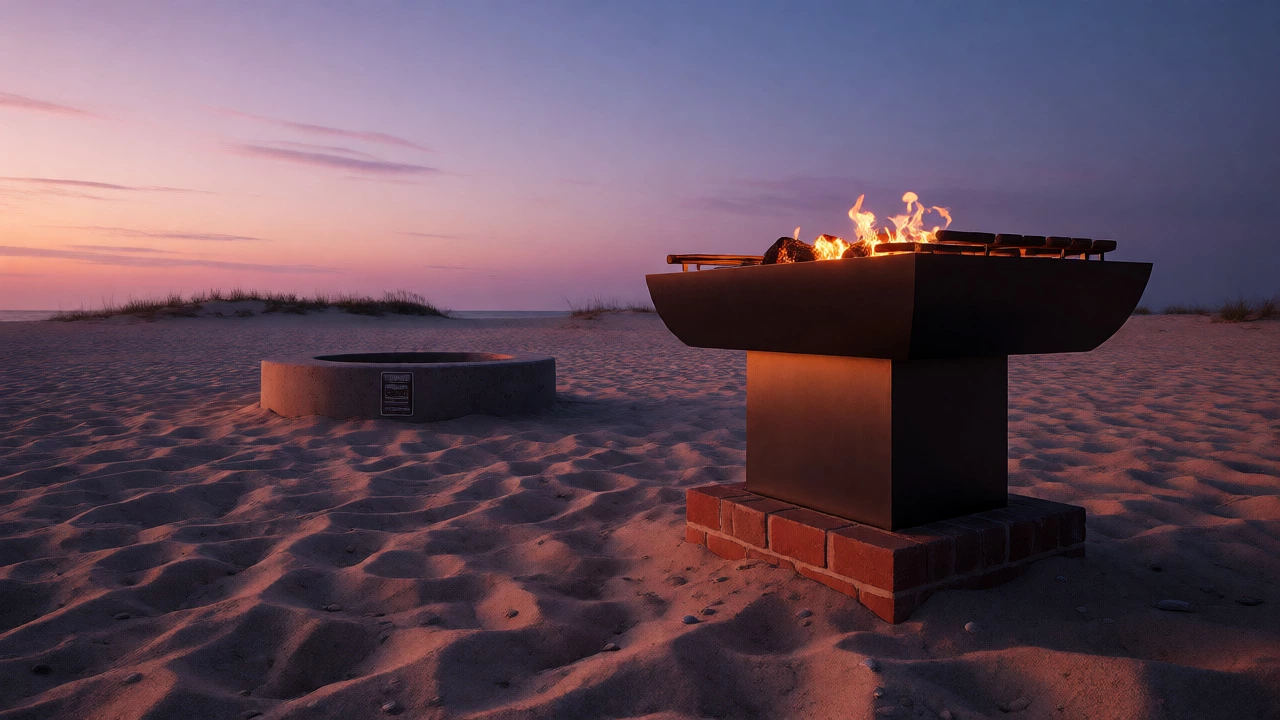
However, there is a major exception: Designated Fire Rings. Many towns provide concrete or metal fire pits embedded in the ground. If you are within 10 feet of an official fire ring, you can usually light a fire, provided you follow fuel restrictions (more on that later). Always look for signage posted by the town’s Parks and Recreation department.
The "Grill Only" Rule
If you don’t see a fire ring, you still want warmth and cooked food. This is where charcoal grills come into play. Most coastal towns in North Carolina allow portable charcoal grills on the beach, but with strict conditions:
- Elevation: The grill must be elevated off the sand. Do not place it directly on the ground; use a stand or bricks to prevent scorching the sand and killing microscopic life.
- Fuel Type: Charcoal briquettes are almost always allowed. Propane tanks are often restricted due to explosion risks in high heat.
- Cleanup: You must remove all ash and coals. Throwing hot coals into the ocean or burying them in the sand is a quick way to earn a fine.
Gas grills are trickier. Some towns ban them entirely because of the potential for gas leaks and explosions. Always check the specific municipal code for the exact stretch of beach you are visiting.
| Location Type | Open Wood Fire Allowed? | Charcoal Grill Allowed? | Permit Required? |
|---|---|---|---|
| Public Oceanfront Beach | No (usually) | Yes (elevated) | No |
| Designated Fire Ring | Yes | Yes | No |
| Carolina Beach State Park | Yes (in campsites) | Yes | No (if registered) |
| Private Rental Property | Depends on HOA/Owner | Usually Yes | Check Lease |
Carolina Beach State Park: The Safe Haven
If you want guaranteed fire access, head to Carolina Beach State Park. Unlike the open oceanfront, the state park has dedicated campgrounds and picnic areas where fires are explicitly encouraged.
Here, you have two distinct zones:
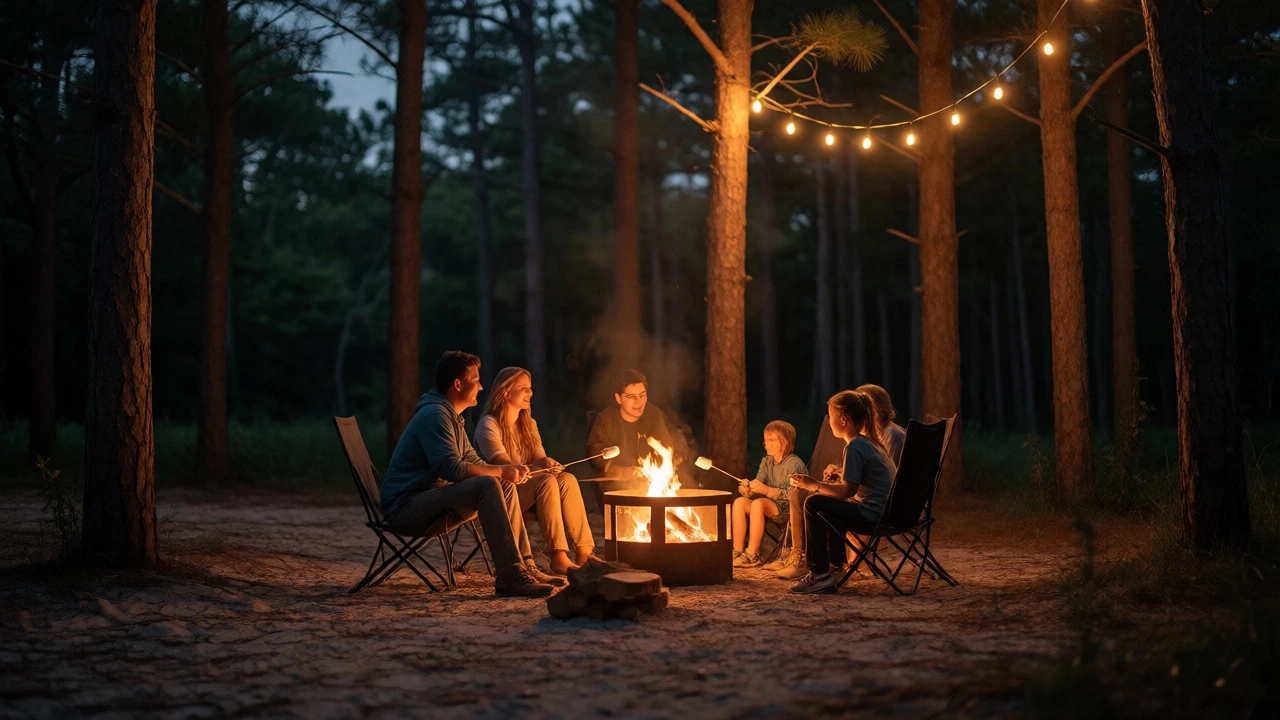
- Campground Sites: Each site comes with a metal fire pit. You can burn wood here. Just remember: buy your firewood locally. Bringing wood from far away introduces invasive pests like the Asian Longhorned Beetle.
- Picnic Areas: Designated spots along the sound side allow small charcoal fires. These are great for evening gatherings without the hassle of setting up a full campsite.
The park enforces quiet hours strictly after 10 PM. While you can keep a fire going, loud parties around the fire pit will get you a warning from rangers. Keep the vibe chill.
What Can You Burn? (And What You Absolutely Cannot)
This is where most tourists get tripped up. You think, "It's just wood," but regulations are specific.
Allowed Fuels
- Charcoal Briquettes: The gold standard for beach grilling. Clean-burning and easy to dispose of.
- Local Firewood: If you are in a designated fire ring or campground, you can burn untreated wood purchased within 50 miles of the beach.
- Propane Fire Pits: Portable tabletop units are often allowed if they are CSA-certified and used under supervision. They produce less smoke and leave no ash.
Prohibited Fuels
- Driftwood: Surprisingly, burning driftwood is often illegal on public beaches. Why? Driftwood is part of the ecosystem, providing habitat for insects and stabilizing dunes. Removing it disrupts the environment.
- Treated Lumber: Never burn pallets or construction scraps. They contain chemicals that release toxic fumes when burned.
- Trash: Burning plastic or packaging creates thick black smoke and smells terrible. Plus, it’s littering with extra steps.
Seasonal Restrictions and Sea Turtle Nesting
From May 1st through September 30th, North Carolina beaches enter Sea Turtle Nesting Season. During this period, fire rules tighten significantly.
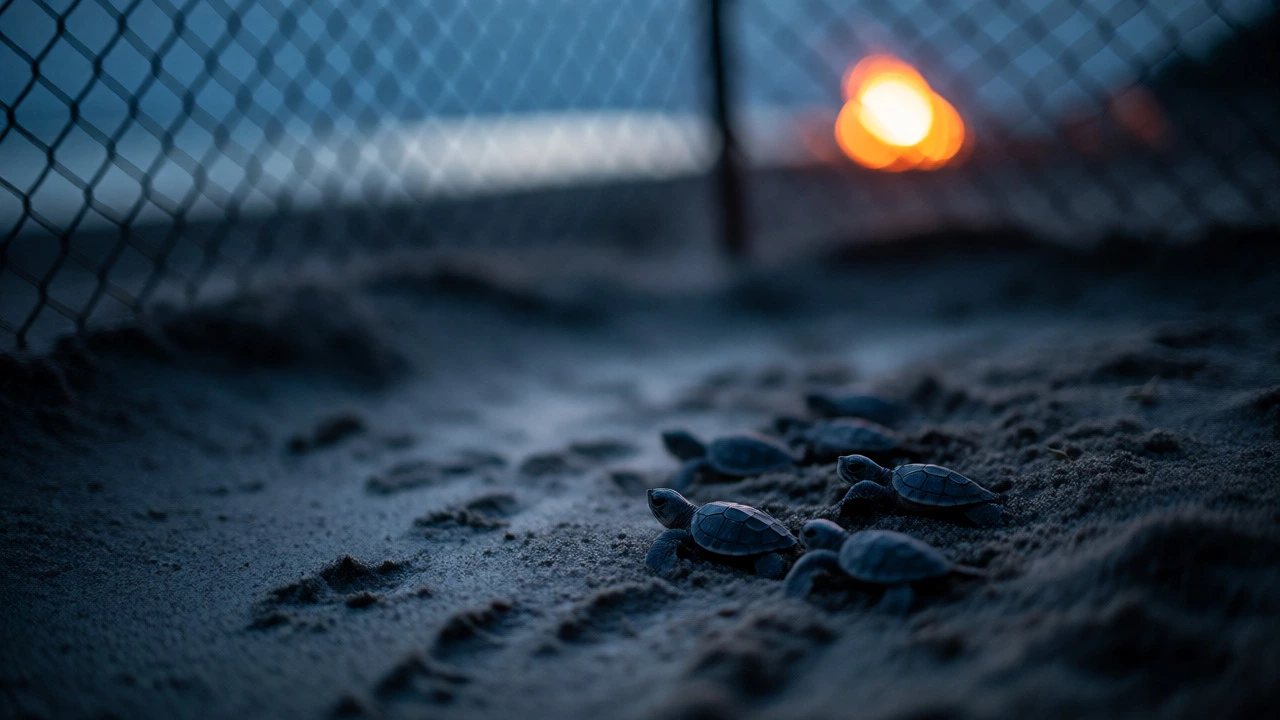
Why? Hatchlings emerge at night and navigate toward the brightest light source-usually the moon reflecting off the water. Artificial lights and large bonfires confuse them, leading them inland where they die. To protect them:
- Light Discipline: You may need to dim or shield lights near the beach. Large bonfires cast significant light pollution.
- Early Shutdown: Some towns require all beach fires to be extinguished by sunset during peak nesting months.
- Nest Markers: Stay clear of fenced-off areas marked with signs indicating turtle nests.
In winter (October-April), restrictions loosen. Bonfires become more common, especially around holidays like New Year’s Eve. However, you still need to clean up completely.
How to Get a Bonfire Permit
If you want a big group gathering with a large fire on the public beach, you might need a permit. This applies mostly to organized events or large groups exceeding a certain size (often 10+ people).
To secure a permit in towns like Carolina Beach or Wrightsville Beach:
- Contact Town Hall: Visit the Parks and Recreation office online or in person.
- Specify Location: You cannot just pick any spot. Permits are granted for specific, pre-approved zones.
- Provide Insurance: For large events, you may need proof of liability insurance.
- Pay the Fee: Costs vary by town but typically range from $50 to $150 depending on group size and duration.
Without a permit, a large bonfire can result in fines ranging from $100 to $500 per violation. Not worth the risk.
Cleanup: The Golden Rule
"Leave No Trace" isn't just a slogan; it's a legal requirement in many coastal jurisdictions. After your fire is out, you have work to do.
- Douse Completely: Pour water over coals until they are cold to the touch. Test with your hand (carefully) before leaving.
- Sift Ash: Use a shovel to sift through the ash to ensure no unburnt debris remains.
- Pack Out: Take all trash, including beer cans and napkins. Wind blows lightweight items right into the dunes.
- Fill Holes: If you dug a temporary pit, fill it back in perfectly. Open holes are tripping hazards for pedestrians and dangerous for sea turtles.
Failing to clean up properly can lead to a "littering" citation, which stacks on top of any fire-related fines.
Alternatives to Traditional Fires
If the rules feel too restrictive, consider these options that offer ambiance without the hassle:
- LED Lanterns: Modern LED candles flicker realistically and are windproof. Great for table lighting.
- Smokeless Fire Pits: Devices like the Solo Stove create a visual flame with minimal smoke. Check local rules first, as some towns classify these as "open fires."
- Soundside Camping: Head to the Intracoastal Waterway side of the island. Regulations are often looser here than on the oceanfront, and you get stunning sunset views without the direct surf exposure.
Final Checklist Before Lighting Up
Before you strike that match, run through this quick mental checklist:
- Am I in a designated fire ring or permitted zone?
- Is it outside of sea turtle nesting blackout hours?
- Do I have a plan to extinguish and clean up?
- Am I using approved fuel (charcoal or local wood)?
- Have I checked current town alerts for drought restrictions?
During severe drought conditions, towns can issue emergency bans on all outdoor burning, even in fire rings. Always check the town website or call non-emergency police lines for real-time updates.
Can I build a fire directly on the sand at Carolina Beach?
Generally, no. Most public oceanfront beaches prohibit open fires directly on the sand to protect the environment and sea turtles. You must use a designated fire ring or an elevated charcoal grill.
Are bonfires allowed on Wrightsville Beach?
Wrightsville Beach allows bonfires only in designated areas and often requires a permit for large groups. Small charcoal grills are permitted if elevated off the sand. Always check the latest town ordinance as rules change seasonally.
What happens if I get caught with an illegal fire?
You can face fines ranging from $100 to $500 depending on the severity and whether it's a repeat offense. In extreme cases, such as starting a wildfire or damaging protected dune vegetation, penalties can be higher.
Can I burn driftwood found on the beach?
No, removing and burning driftwood is typically prohibited on public beaches. Driftwood plays a crucial role in stabilizing dunes and providing habitat. Leave it where it lies.
Do I need a permit for a small family campfire?
If you are in a designated fire ring at a state park or campground, no permit is usually needed beyond your campsite registration. For large groups on public beaches, permits are often required regardless of fire size.