Can You Sleep in Your Car at Carolina Beach? Rules, Spots & Tips
 Jul, 5 2026
Carolina Beach Overnight Stay Estimator
Trip Details
Remember: Sleeping in your car on public streets is prohibited.
You’ve got the windows down, the playlist is queued up, and the Atlantic breeze is calling. But before you pull into a shadowy spot on Carolina Beach a popular coastal town in New Hanover County, North Carolina known for its barrier island location and family-friendly atmosphere, you need to know one thing: can you actually stay there overnight?
The short answer is no. You cannot just park your car anywhere on Carolina Beach and sleep in it. The town has strict ordinances regarding overnight parking and loitering to protect the residential character of the area and ensure public safety. However, that doesn’t mean you’re out of luck. There are legal, safe, and often affordable ways to crash near the sand if you plan ahead.
The Reality of Overnight Parking in Carolina Beach
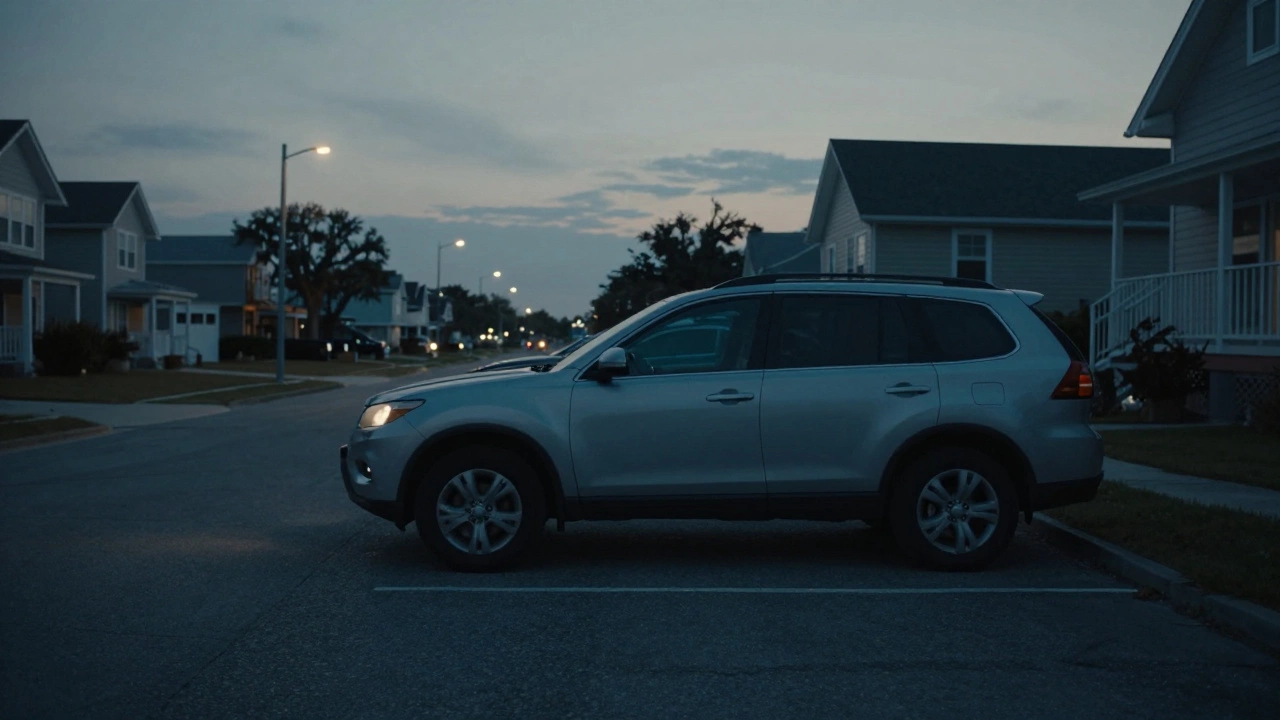
Many travelers assume that because Carolina Beach is a tourist destination, sleeping in vehicles is tolerated. It isn’t. The local code prohibits parking on most streets overnight without permission, and specifically bans sleeping in vehicles in public areas like beaches, parks, and street-side lots.
If you leave your car parked on a residential street or in a public lot after dark, you risk two things:
- Tickets and Towing: Local enforcement officers patrol regularly. A $50-$100 fine is common, but repeated offenses or blocking access can lead to towing fees that run into hundreds of dollars.
- Being Asked to Move: Even if you don’t get ticketed immediately, residents or security may ask you to leave. This ruins the vibe and leaves you scrambling for a place to rest.
The reason for these rules is simple. Carolina Beach is a densely populated barrier island with limited space. Allowing unrestricted vehicle camping creates congestion, sanitation issues, and noise complaints from locals who live there year-round.
Where You CAN Sleep Near Carolina Beach
Since wild camping in your car on the beach itself is off-limits, here are the best legal alternatives within a short drive. These options range from free spots with time limits to paid campsites designed for comfort.
1. Designated Overnight Parking Lots (Free/Low Cost)
Some businesses in nearby towns allow overnight parking for customers. While not directly on Carolina Beach, these are close enough to walk or drive to the shore in the morning.
- Walmart Supercenters: Check locations in Wilmington or Southport. Policy varies by manager, so always ask permission before settling in. Stay only one night, keep lights low, and shop during the day to be a good guest.
- Cracker Barrel: Locations in nearby Leland or Shallotte often welcome RVs and cars for overnight stays. Again, confirm with staff first.
2. Public Campgrounds (Best for Comfort)
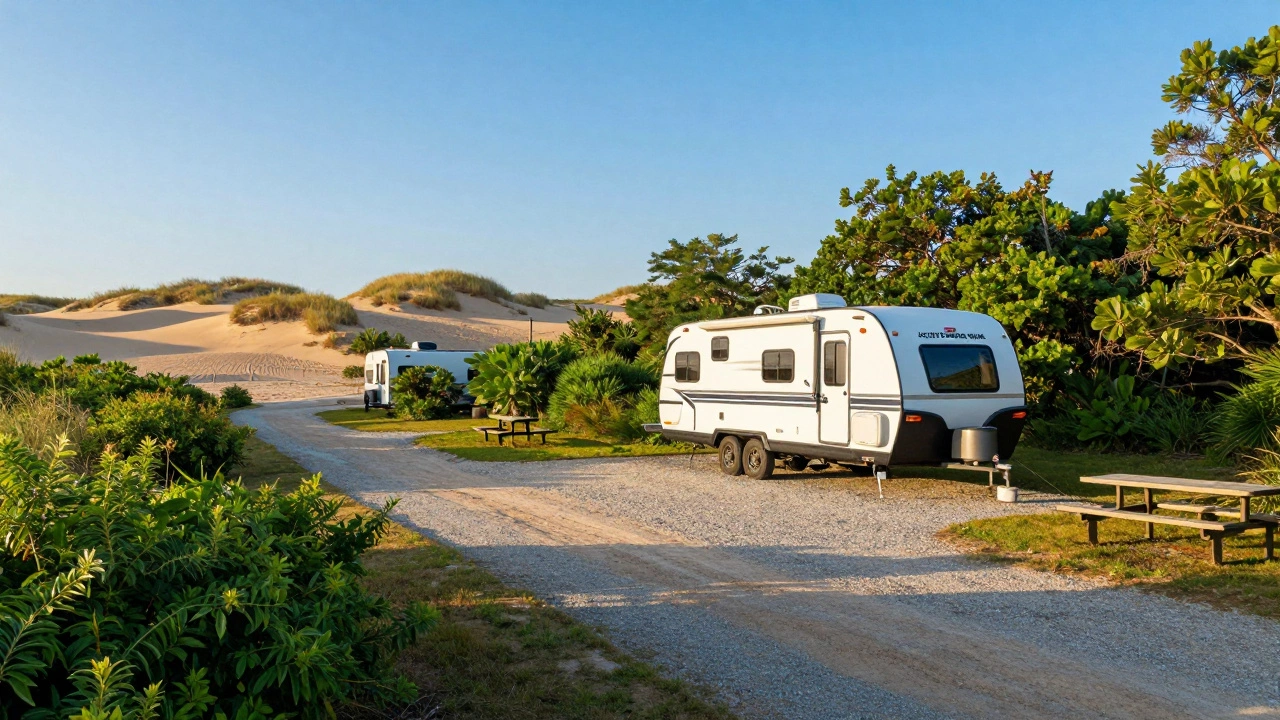
If you want the full beach experience without breaking rules, book a site at a state park or county campground. These offer hookups, showers, and direct beach access.
| Campground Name | Distance to Beach | Price Range/Night | Key Features |
|---|---|---|---|
| Jockey’s Ridge State Park | 45 mins north | $25-$40 | Tallest living sand dune in the US, quiet, no hookups |
| Carolina Beach State Park | Adjacent | $30-$60 | Direct beach access, cabins available, pet-friendly |
| Fort Fisher State Recreation Area | 15 mins south | $30-$50 | Hiking trails, Civil War history, ocean views |
3. Private Beachfront Rentals & Hostels
For those willing to spend more, Airbnb and VRBO listings in Carolina Beach often include parking. Some hostels in Wilmington also offer dorm beds with secure parking for cars. This is the safest bet for solo travelers who want community without the hassle of setting up camp.
Understanding North Carolina’s Wild Camping Laws
To understand why Carolina Beach is strict, you need to look at the bigger picture. North Carolina generally does not allow "wild camping" (dispersed camping) on private property without explicit permission. On public land, it’s restricted to designated areas.
New Hanover County the county containing Wilmington and Carolina Beach, known for its strong tourism industry and regulatory framework enforces these rules rigorously. Unlike some western states where Bureau of Land Management (BLM) land allows dispersed camping, the East Coast is heavily developed. Most public land is either protected parkland (which requires permits) or private real estate.
This means that "boondocking"-camping off-grid without services-is essentially illegal unless you have a private landowner’s consent. Apps like iOverlander or Hipcamp can help you find private hosts who rent out driveways or backyards legally.
Safety Tips for Car Camping in Coastal Areas
Even when you find a legal spot, coastal environments present unique challenges. Here’s how to stay safe and comfortable:
- Check Tide Charts: If you’re parking near any marsh or shoreline, verify high tide times. Cars have been stranded by rising water in low-lying coastal areas.
- Secure Your Vehicle: Coastal theft rates can be higher in tourist zones. Keep valuables out of sight, lock doors, and consider a steering wheel lock if you’re anxious.
- Respect Noise Levels: Coastal winds carry sound. Keep music volume low and avoid loud conversations after 9 PM to avoid disturbing neighbors or triggering police calls.
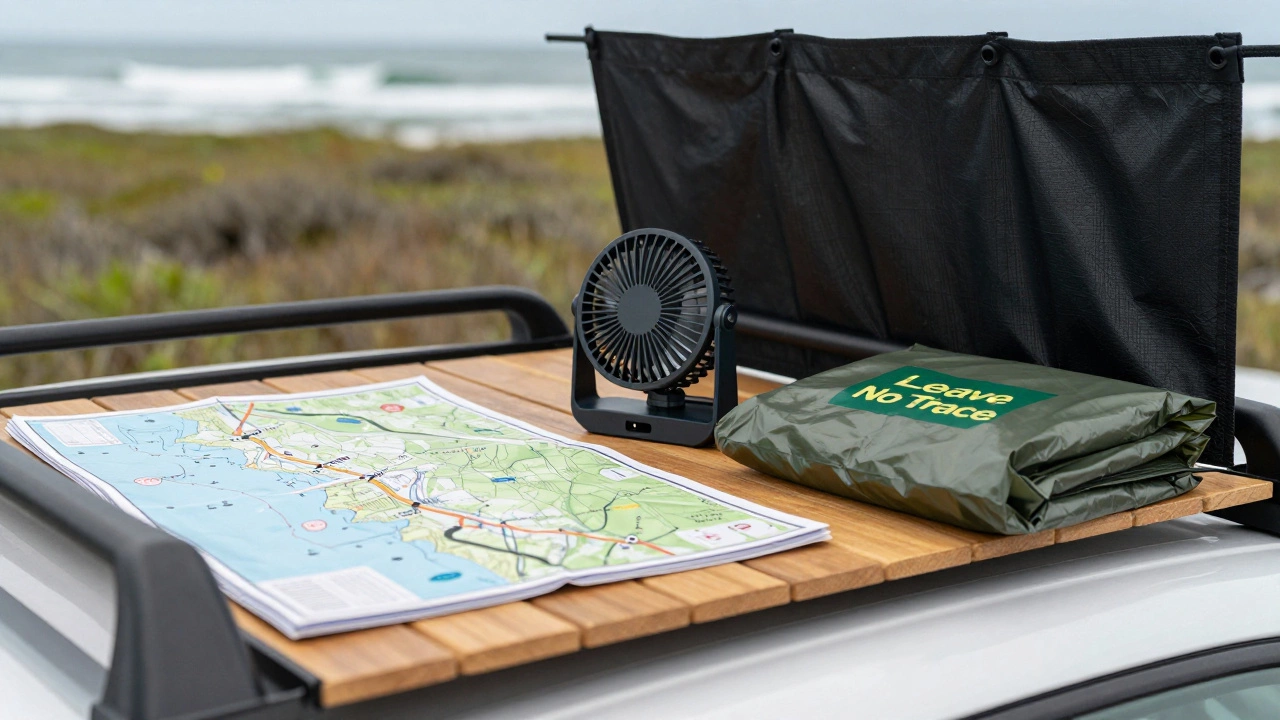
- Prepare for Humidity: July in North Carolina is hot and muggy. Use window screens, portable fans, and blackout curtains to create a breathable, dark sleeping environment.
- Leave No Trace: Pack out all trash. Coastal ecosystems are fragile, and litter washes into the ocean quickly. Fines for dumping waste are severe.
Alternatives If You Can’t Find a Spot
If all campsites are booked and businesses deny you parking, don’t risk sleeping in an illegal zone. Consider these backups:
- Motel Stays: Look for budget motels in Wilmington or Southport. Prices drop significantly mid-week.
- Couchsurfing: Platforms like Couchsurfing connect you with locals offering free couches. Great for meeting people and saving money.
- Work Exchange: Sites like Workaway sometimes list short-term stays in exchange for light labor at farms or hostels nearby.
Frequently Asked Questions
Is it legal to sleep in my car on Carolina Beach streets?
No. Sleeping in vehicles on public streets, beaches, or parking lots in Carolina Beach is prohibited by local ordinance. You risk fines, tickets, or being asked to move by law enforcement.
Are there any free places to park overnight near Carolina Beach?
There are no officially designated free overnight parking spots directly on Carolina Beach. However, some Walmart supercenters in nearby Wilmington or Southport may allow it with manager permission. Always ask first.
What is the cheapest way to stay near Carolina Beach?
The most affordable option is usually a tent site at Jockey’s Ridge State Park or Fort Fisher State Recreation Area, costing around $25-$30 per night. These require reservations well in advance during peak season.
Can I camp on the beach itself at night?
No. Sleeping on the sand is not permitted in Carolina Beach or most North Carolina coastal towns due to safety concerns, erosion protection, and local regulations. Daytime use is allowed, but you must leave by sunset.
How far in advance should I book a campground?
During summer months (June-August), book state park sites 2-3 months ahead. For spring and fall, 1-2 months is usually sufficient. Last-minute availability is rare in popular coastal areas.