Can You Sleep in Beach Huts in the UK? Rules, Risks & Legal Alternatives
 May, 21 2026
UK Beach Hut Safety & Legality Risk Calculator
Scenario Configuration
Risk Assessment
Configure your scenario and click "Assess Risk Level" to see potential legal and safety outcomes.
Recommended Legal Alternatives
| Option | Legality | Est. Cost | Safety Rating |
|---|---|---|---|
| Designated Campsite | Legal | £15 - £40 / night | High (Toilets, Security) |
| Caravan Park | Legal | £20 - £60 / night | High (Electricity, Reception) |
| Wild Camping (Scotland) | Legal* | Free | Medium (Exposed elements) |
| Sleeping in Beach Hut | Illegal | Free (High Risk) | Critical (Arrest, Cold, Tides) |
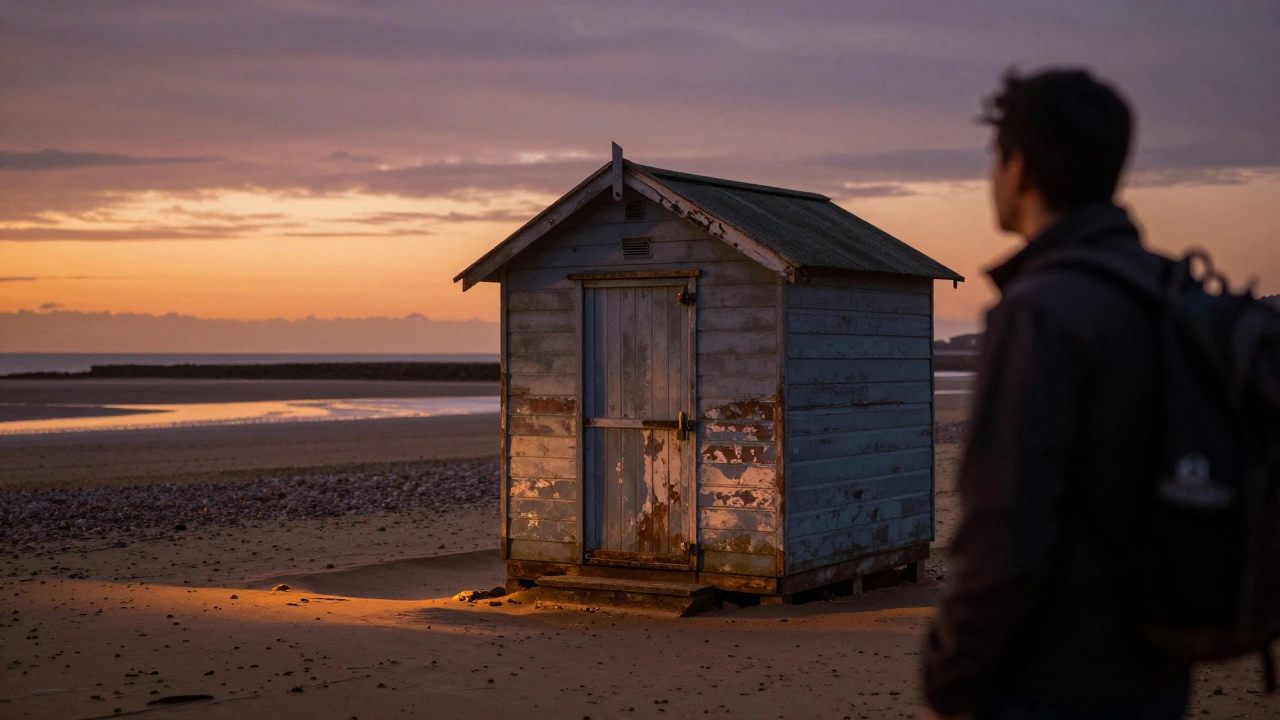
Picture this: you’ve found a charming, weathered wooden beach hut is a small structure on a British coastline used for storing gear or relaxing during the day tucked away near the dunes. The sun is setting, the tide is low, and you’re tired after a long day of hiking. It looks cozy. It looks empty. Can you just lock the door and sleep there?
The short answer is almost certainly no. While the idea of an impromptu overnight stay in a seaside cabin sounds like a romantic escape from the high cost of hotels, the reality involves strict property laws, local council bylaws, and significant safety risks. In the UK, beach huts are private property, not public shelters.
Why Beach Huts Are Not Free Campsites
To understand why sleeping in these structures is problematic, we need to look at who owns them. Most UK beach huts are privately owned assets managed through lease agreements with local councils or private landowners. They are not communal resources. Even if a hut appears abandoned-boards over the windows, rusted locks-it likely still has an owner who pays annual fees for its maintenance and insurance.
Entering a beach hut without permission constitutes trespassing is the act of entering someone else's property without legal right or permission. If you sleep inside, it escalates further. Under English law, if you reside in a building with the intent to live there, even temporarily, you could be charged with burglary under the Theft Act 1968. This isn’t just about stealing valuables; it’s about unauthorized entry into a dwelling.
Scottish law differs slightly regarding trespass on land (you can’t be prosecuted for simply walking onto private land unless you cause damage or disturb people), but entering a structure is still considered a criminal offense under the Civic Government (Scotland) Act 1982. So, whether you’re on the Jurassic Coast or the shores of Loch Ness, the rule remains: do not enter.
The Difference Between Wild Camping and Beach Hut Squatting
You might have heard that wild camping is camping in the open countryside without prior permission from the landowner is tolerated in some parts of the UK. This is true, but with major caveats. In Scotland, the Land Reform (Scotland) Act 2003 grants everyone the right to access most land and inland water for recreational purposes, including wild camping. However, this right explicitly excludes buildings and their immediate curtilage. A beach hut is a building. Therefore, the right to roam does not give you the right to sleep in it.
In England and Wales, wild camping is technically illegal everywhere as it constitutes trespass. While it is often overlooked in remote areas like Dartmoor or the Lake District if done responsibly (one night, leave no trace), doing so in a populated coastal area where beach huts are located draws immediate attention. Coastal towns are rarely remote. There are neighbors, lifeguards, and police patrols. Sleeping in a visible structure is not "stealth" camping; it’s a target.
| Option | Legality | Cost | Safety & Amenities |
|---|---|---|---|
| Sleeping in Beach Hut | Illegal (Trespass/Burglary) | Free (but high risk) | Low (no utilities, locked out risk) |
| Wild Camping (Scotland) | Legal (on open land only) | Free | Medium (exposed to elements) |
| Designated Beach Campsite | Legal | £15-£40 per night | High (toilets, showers, security) |
| Caravan Park | Legal | £20-£60 per night | High (electricity, Wi-Fi, reception) |
Safety Risks You Can’t Ignore
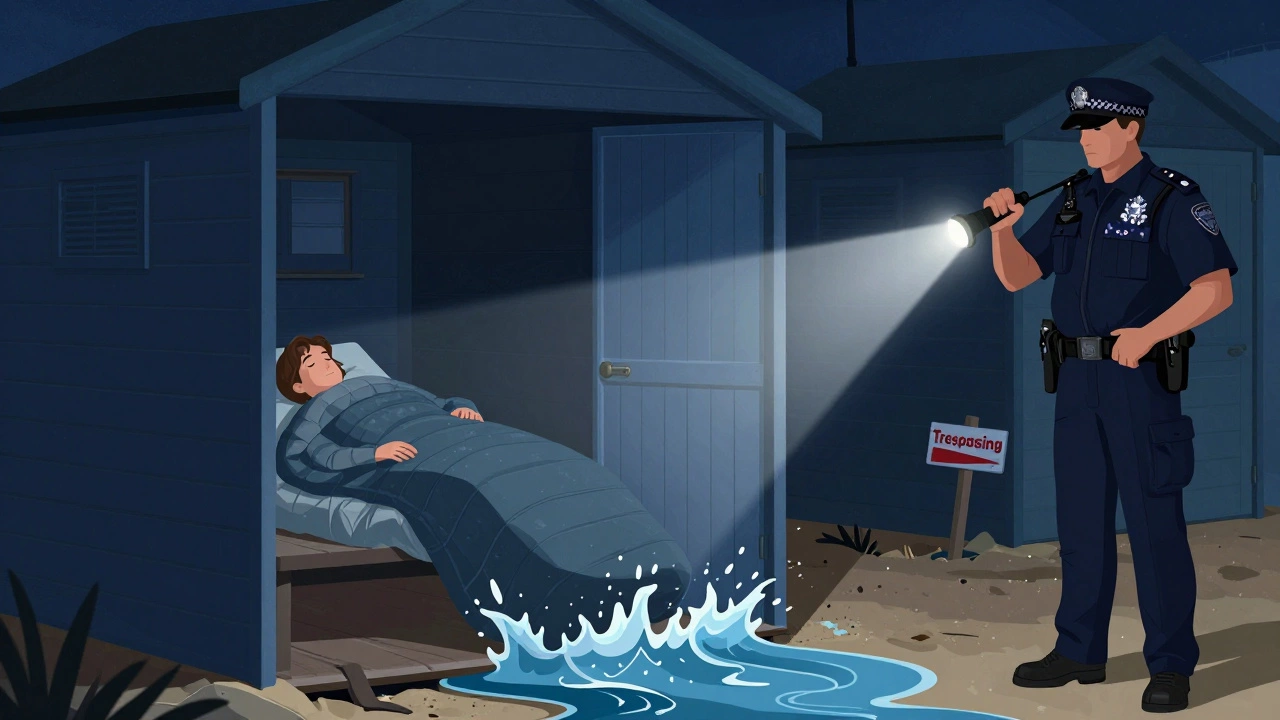
Beyond the legal hammer, there are practical dangers. Beach huts are designed for daytime use. They lack insulation, meaning they become freezing cold at night, especially in spring and autumn. More importantly, they are not secured for residential occupancy. Locks are often flimsy padlocks meant to keep surfboards safe from casual theft, not to protect against intruders.
If you fall asleep inside, you are vulnerable. Conversely, if the owner returns unexpectedly, you are trapped. There have been incidents where owners called the police because they couldn’t get into their own huts, leading to arrests of unsuspecting campers. Additionally, many huts are built close to the tide line. If you’re not familiar with local tidal patterns, you could wake up to rising water flooding your sleeping bag. This is a genuine life-safety hazard that designated campsites mitigate with proper site planning.
Legal Ways to Sleep Near the Sea
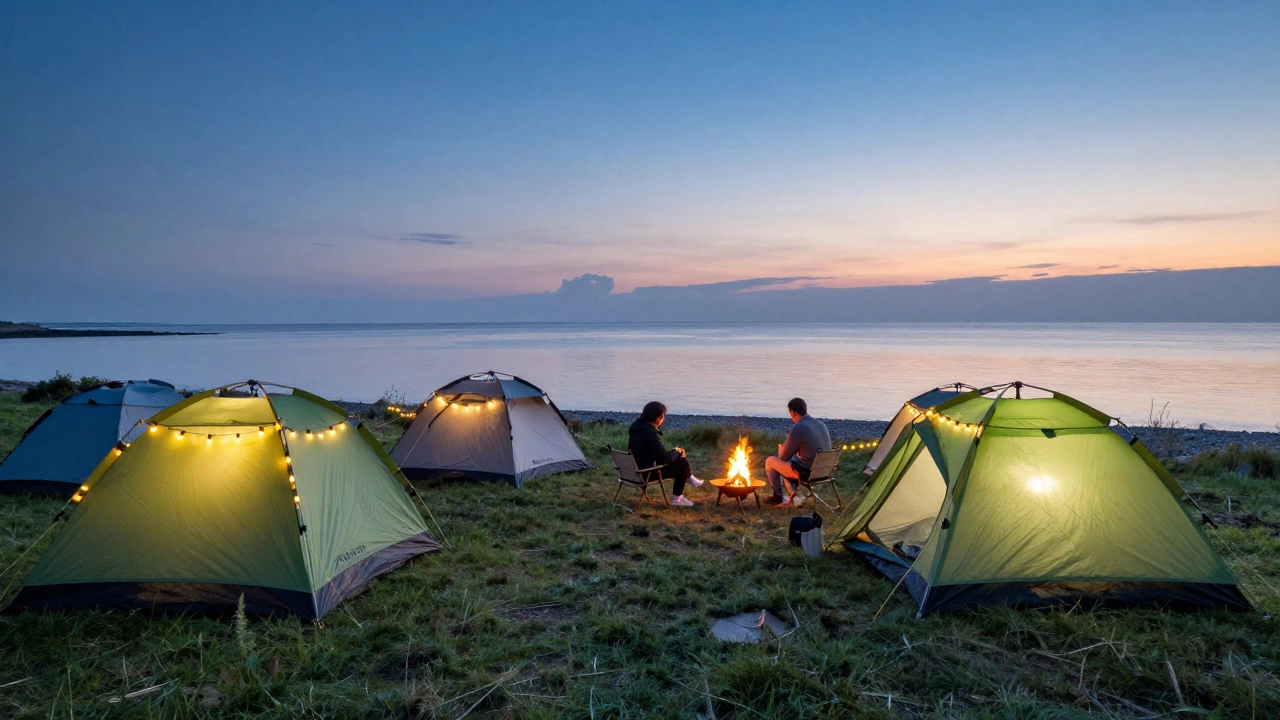
Just because you can’t squat in a beach hut doesn’t mean you can’t enjoy a night by the ocean. The UK has a robust network of coastal campsites are designated areas along the shoreline offering facilities for tents, caravans, and motorhomes that provide a safe, legal, and often affordable alternative.
Organizations like the Caravan and Motorhome Club is a membership organization providing access to thousands of approved campsites across the UK offer sites specifically rated for sea views. Many local councils also manage holiday parks that include basic tent pitches. These sites usually charge between £15 and £30 per person per night, which includes access to clean toilets, hot showers, and sometimes even a shop.
If you’re set on the wild experience, look for designated wild camping spots in Scotland. Areas like the Isle of Skye or the Cairngorms National Park allow you to pitch a tent discreetly on open ground. Just remember the golden rule: arrive late, leave early, take all your rubbish with you, and never camp within 200 meters of a road or house. This respect ensures the right to roam remains available for everyone.
What If You Find an Empty Hut?
It’s tempting to think, "No one is here, so it must be okay." But absence of evidence is not evidence of absence. Owners may be away for weeks, holidays, or even years. Some huts are rented out seasonally and sit empty in winter. Entering an empty hut is still trespassing. If you’re caught on CCTV (many coastal towns have extensive camera networks), you will face fines or criminal records.
Furthermore, many beach huts are part of a managed scheme. For example, in places like Bournemouth or Brighton, huts are leased through competitive bidding systems. The local council enforces strict rules against unauthorized occupation. Violating these terms can lead to eviction and bans from using other council facilities.
Alternatives for Budget Travelers
If budget is your main concern, consider these legal options:
- Workaway or WWOOF: Exchange a few hours of work for free accommodation and meals. Many farms and guesthouses near coasts participate.
- Hostels: YHA (Youth Hostels Association) offers dorm beds starting at £15-£20 per night, often with kitchen facilities to save on food costs.
- Couchsurfing: Connect with locals willing to offer a spare sofa or bed for free. This builds cultural exchange and saves money.
- Dispersed Camping in Scotland: As mentioned, wild camping is free and legal if done responsibly on open land.
Respect the Community
Beach huts are a cherished part of British coastal culture. They represent family memories, summer holidays, and local identity. When you treat them as free lodging, you disrespect the owners who invest time and money into maintaining them. By choosing legal alternatives, you support the local economy and ensure that these charming structures remain available for their intended purpose: enhancing the day trip experience, not serving as emergency housing.
The next time you’re drawn to the allure of a quiet beach hut at dusk, resist the urge. Instead, pack your tent, find a legal spot, and enjoy the stars without the fear of a knock on the door-or worse, a visit from the police. Safe travels, and happy camping!
Is it illegal to sleep in a beach hut in the UK?
Yes, it is illegal. Beach huts are private property. Entering without permission is trespassing, and sleeping inside can be classified as burglary under the Theft Act 1968 in England and Wales, or a criminal offense under Scottish law.
Can I wild camp on UK beaches?
In Scotland, wild camping is legal on open land, but not in buildings like beach huts. In England and Wales, wild camping is technically illegal as it constitutes trespass, though it is sometimes tolerated in remote areas if done responsibly. Always check local bylaws.
What happens if I get caught sleeping in a beach hut?
You could face arrest, fines, or a criminal record for trespassing or burglary. Police take unauthorized entry into structures seriously, especially in populated coastal areas with CCTV coverage.
Are there any free places to sleep near the UK coast?
Wild camping in Scotland is free and legal on open land. In England and Wales, there are no officially free camping spots, but budget hostels and work-exchange programs offer low-cost alternatives.
Do beach huts have electricity and water?
Most standard beach huts do not have connected electricity or running water. They are designed for dry storage and daytime relaxation. Any amenities are usually brought in by the owner or user during the day.