Can You Go Off-Grid in the UK? Wild Camping Rules Explained
 Aug, 23 2026
UK Wild Camping Legal Checker
Select your destination region and travel setup to see what the law says about sleeping outside in that area.
Key Requirements
Specific Warnings
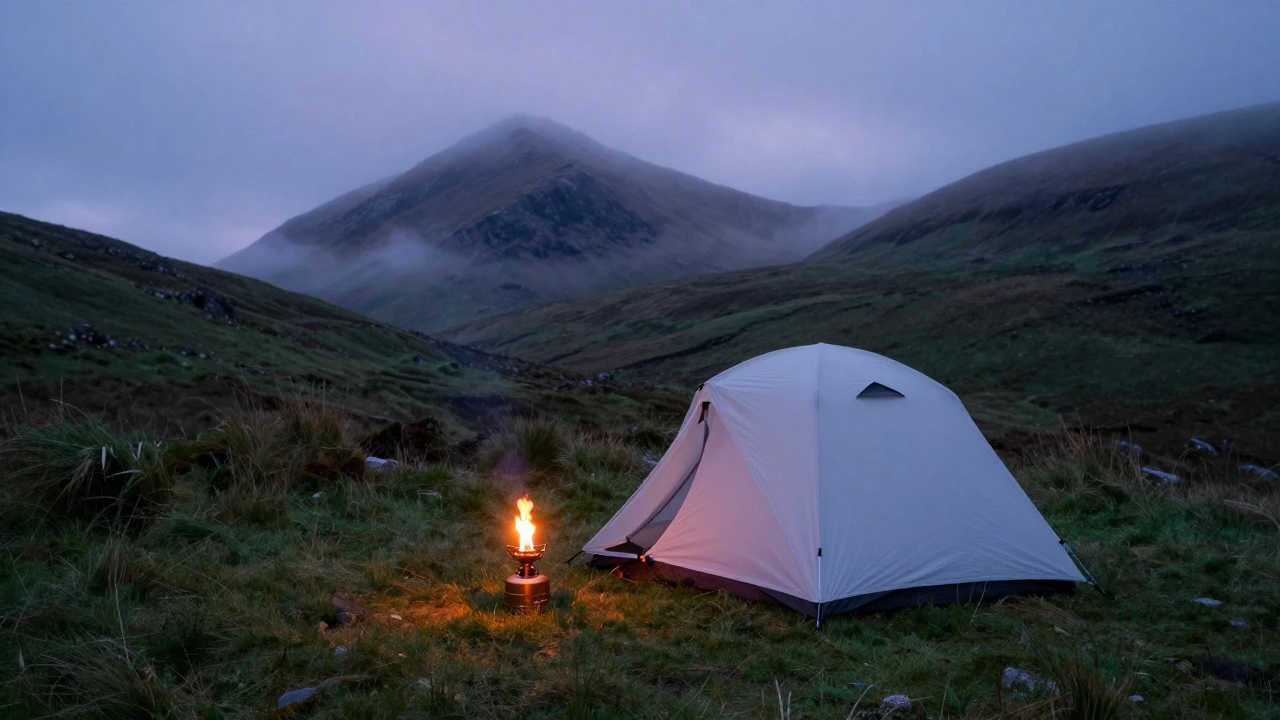
Most people picture "going off-grid" as living in a remote cabin with solar panels and zero neighbors. In the UK, that specific lifestyle is legally tricky, but the broader idea of sleeping outside under the stars without booking a pitch is actually quite feasible-if you know where to go. The key isn't just finding a quiet field; it's understanding the complex patchwork of laws that govern who can sleep where. Get this wrong, and you're not just facing a fine; you're risking eviction or having your gear moved. Get it right, and you have one of the best free camping cultures in Europe at your fingertips.
The short answer is: yes, you can go off-grid in the sense of wild camping, but no, you generally cannot settle permanently on private land without permission. The distinction between temporary recreational camping and permanent residence is the single most important legal boundary here. If you are planning a weekend trip or a month-long road trip, the rules are surprisingly lenient in certain regions. If you are trying to live there year-round, the legal hurdles become significantly higher.
The Legal Landscape: Trespass vs. Permission
To understand wild camping rules, you first need to grasp the concept of trespassing. In England, Wales, and Scotland, all land belongs to someone-whether it's a farmer, a local authority, or a private individual. Technically, if you set up a tent on their land without asking, you are trespassing. However, English law has a unique quirk: for small-scale, temporary, and non-disruptive camping, farmers often turn a blind eye. This creates a system based on social contract rather than strict statutory right in many areas.
This differs sharply from Scotland. Under the Land Reform (Scotland) Act 2003, every person has a statutory right to access uncultivated land for recreation, including wild camping, provided they leave no trace and don't cause nuisance. This makes Scotland the gold standard for off-grid freedom in the UK. In contrast, Northern Ireland operates under similar principles to England and Wales, meaning permission is technically required, though informal agreements are common in rural areas.
| Region | Legal Status | Key Requirement | Risk Level |
|---|---|---|---|
| Scotland | Statutory Right | No fixed abode, leave no trace | Low |
| England & Wales | Trespass (Tolerated) | Landowner consent (informal) | Medium |
| Northern Ireland | Trespass (Tolerated) | Landowner consent (informal) | Medium |
What Does "No Fixed Abode" Actually Mean?
A critical phrase in Scottish law and a guiding principle elsewhere is that wild campers must have "no fixed abode." This doesn't mean you can't own a house in London. It means that when you are out camping, you should be doing so for leisure, not because you are homeless. If you use a motorhome or tent as your primary residence indefinitely, you cross the line from recreational camper to resident. This distinction matters because residents require council tax registration, utility connections, and formal tenancy agreements. For the typical traveler, this rule simply means you shouldn't stay in one spot for months on end. A general rule of thumb used by experienced travelers is to move your base camp every 3 to 7 days to avoid being seen as establishing a permanent presence.
This mobility also helps maintain good relations with local communities. Farmers in the Scottish Highlands, for instance, are accustomed to seeing tents appear and disappear over a few nights. They expect you to respect their livestock, close gates behind you, and keep noise levels down. When these expectations are met, the unwritten license to camp remains strong. Break them, and that license evaporates quickly.
Where Can You Actually Camp?
Not all land is created equal when it comes to off-grid opportunities. Some areas are explicitly protected or restricted, while others are open books. Knowing which maps to check before you head out saves you from awkward conversations with rangers or angry landowners.
- Common Land: In England and Wales, much of the moorland and heathland is common land. While not always legally guaranteed for camping, it is traditionally accepted. Check with the local parish council or commons association for specific bylaws.
- National Parks: These are tricky. In the Lake District, Dartmoor, and the New Forest, wild camping is often prohibited or heavily restricted. Rangers actively patrol these areas. In contrast, some national parks in Scotland, like Cairngorms National Park, actively encourage responsible wild camping.
- Forestry Commission Land: Much of the UK's forest land is managed by Forestry England or Forestry and Land Scotland. While you can walk freely, camping usually requires a permit or is restricted to designated sites. Always look for signage indicating whether camping is allowed.
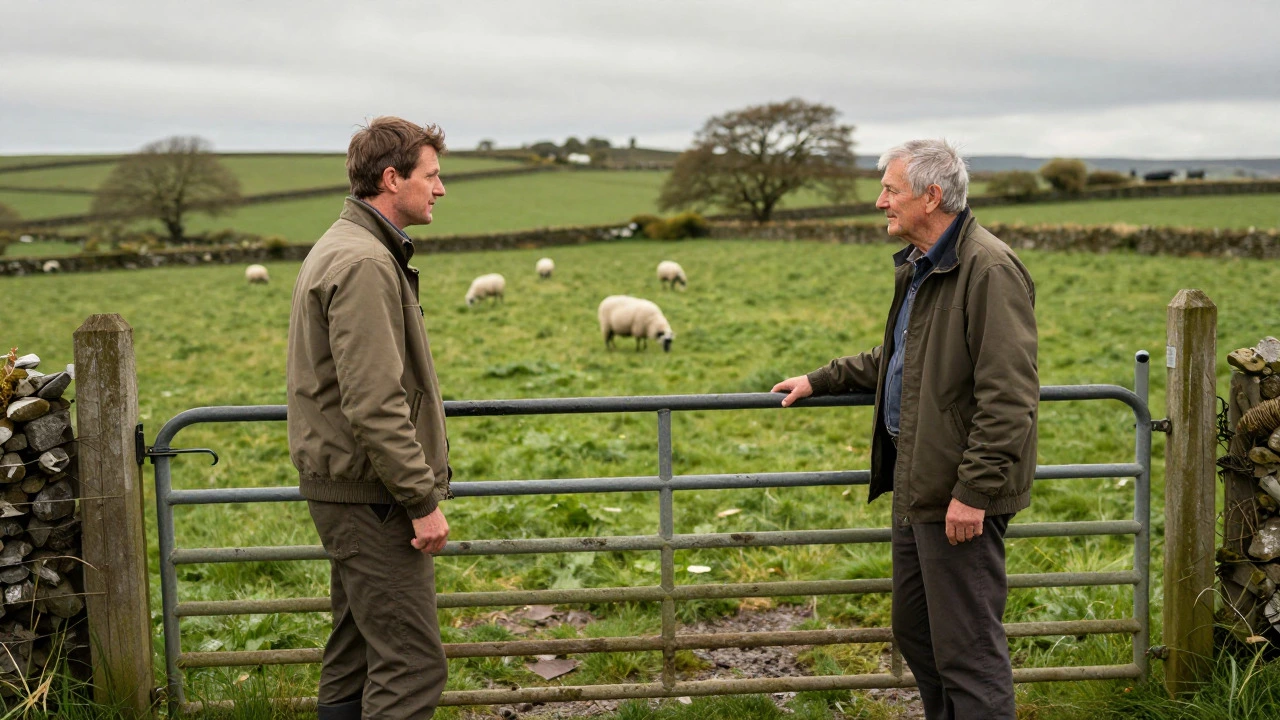
- Private Farmland: This is the heart of traditional wild camping. If you see a field with no signs prohibiting camping, ask the farmer if you can stay. Most will say yes, especially if you help close a gate or offer a small token of thanks. Never assume access; always ask.
Avoid coastal paths and beaches unless signs explicitly allow it. Many beaches are owned by local councils or private trusts, and overnight parking or pitching is often banned due to conservation concerns or local business interests. Similarly, avoid camping near castles, historic monuments, or active shooting estates, as these areas have strict management plans.
The Motorhome Factor: Parking vs. Camping
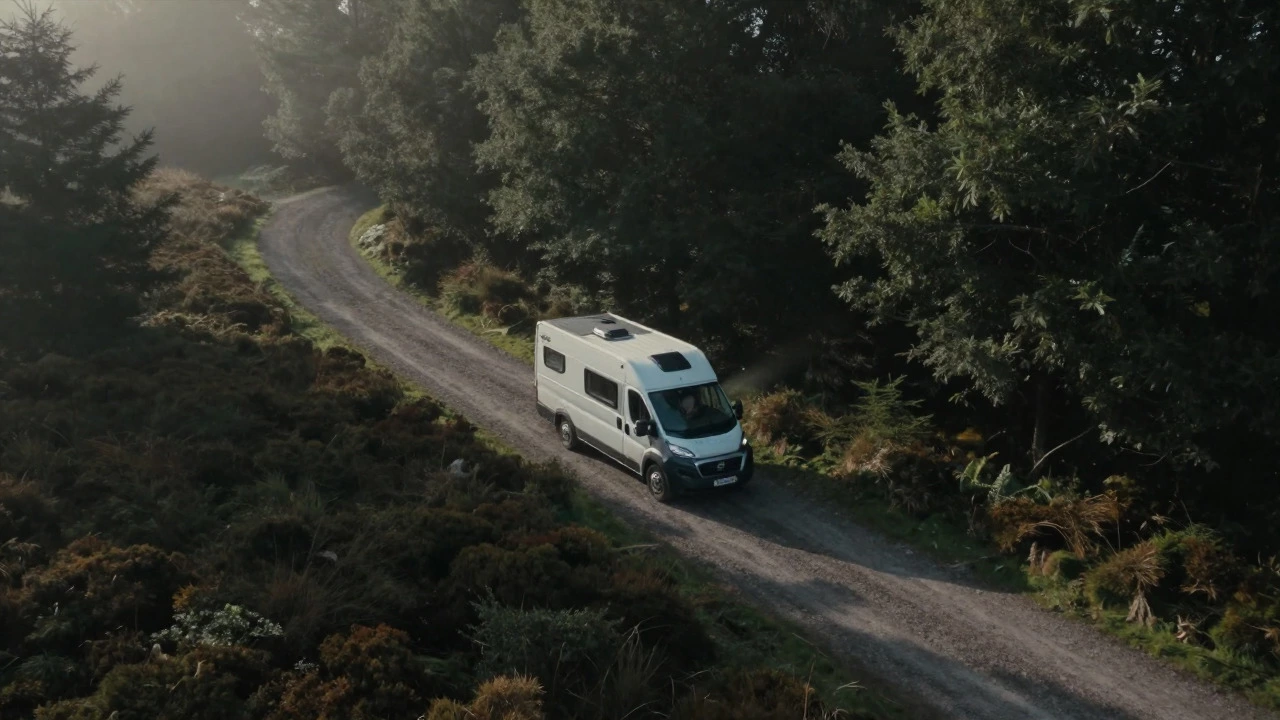
If you are traveling in a motorhome or camper van, the rules shift slightly. You are not just a pedestrian; you are a vehicle. This introduces traffic law into the equation. You cannot park on a hard-standing (like a lay-by) for more than 24 hours without moving on, according to many local bylaws. More importantly, you cannot "camp" in a motorhome in a place where camping is prohibited, even if you don't put up an awning. Local councils define "camping" broadly, often including using a bed inside the vehicle for sleeping purposes.
This is why services like wild camping apps have become essential tools. They map out known tolerant spots, recent user reports, and specific restrictions. However, treat any app data with caution. A spot marked as "okay" six months ago might have changed hands or had new fencing installed. Always verify visually when you arrive. Look for fresh signs, listen for barking dogs, and gauge the attitude of nearby residents.
Practical Tips for Responsible Off-Grid Travel
Success in the UK off-grid scene relies less on legal loopholes and more on behavior. The community of wild campers is tight-knit, and reputations travel fast among farmers and land managers. Here is how to keep your experience smooth:
- Leave No Trace: Pack out everything you brought in. Use biodegradable soap at least 60 meters away from water sources. Keep fires minimal or use a gas stove, as open fires are increasingly restricted due to wildfire risks.
- Respect Livestock: Sheep and cattle are curious but dangerous. Keep dogs on leads. Close every gate you open. If you find a gate left open, close it immediately.
- Be Discreet: Arrive after dark if possible. Leave before sunrise. Keep lights low. Noise carries far in rural areas, so keep music off and voices down.
- Ask First: Even in Scotland, where you have a right to access, it is polite to introduce yourself to the nearest neighbor or farmer. A simple "Hi, we're just passing through, do you mind if we pitch up here tonight?" goes a long way.
- Check Weather: The UK weather is unpredictable. Being off-grid means no shelter from a sudden storm. Have a plan B for inclement weather.
By following these guidelines, you transform from a potential nuisance into a welcomed guest. Many farmers now view wild campers as a source of income, offering paid pitches on their land during peak season. This symbiotic relationship ensures that the tradition continues for years to come.
Frequently Asked Questions
Is wild camping illegal in England?
Technically, yes, it is trespassing, but it is widely tolerated if done responsibly. There is no specific statute making wild camping illegal, but the lack of explicit permission makes it a civil matter. As long as you have no fixed abode and leave no trace, enforcement is rare.
Can I camp in my car in the UK?
Yes, but with caveats. You can sleep in your car anywhere you can legally park, provided you don't set up external equipment like awnings or chairs. However, staying in one spot for more than 24 hours may violate local bylaws. Moving on regularly is the safest approach.
Do I need insurance for wild camping?
While not legally required, comprehensive travel insurance is highly recommended. Standard home insurance may not cover damage to your tent or gear if it is stolen or damaged while you are away from your fixed address. Check your policy specifically for "away from home" coverage.
What is the difference between wild camping and bushwalking?
Bushwalking (or hiking) refers to the act of walking in the countryside. Wild camping is the act of sleeping overnight in the wild. You can bushwalk without wild camping, but wild camping almost always involves bushwalking to reach the site. The legal rights apply to both activities, but camping triggers additional considerations regarding duration and impact.
Are there any places in the UK where wild camping is strictly forbidden?
Yes. Most urban areas, private gardens, and many National Parks in England and Wales prohibit it. Additionally, areas with active military training, high-risk flood zones, or sensitive wildlife reserves often have strict bans. Always check local signage and council websites before heading out.