Can You Drink Alcohol on a Kayak in Michigan? Rules, Risks, and Safety Tips
 Aug, 13 2026
Michigan Kayak Alcohol Law Checker
Select your situation below to see how Michigan's Boating Under the Influence (BUI) laws apply to you.
Result Analysis
Why this applies:
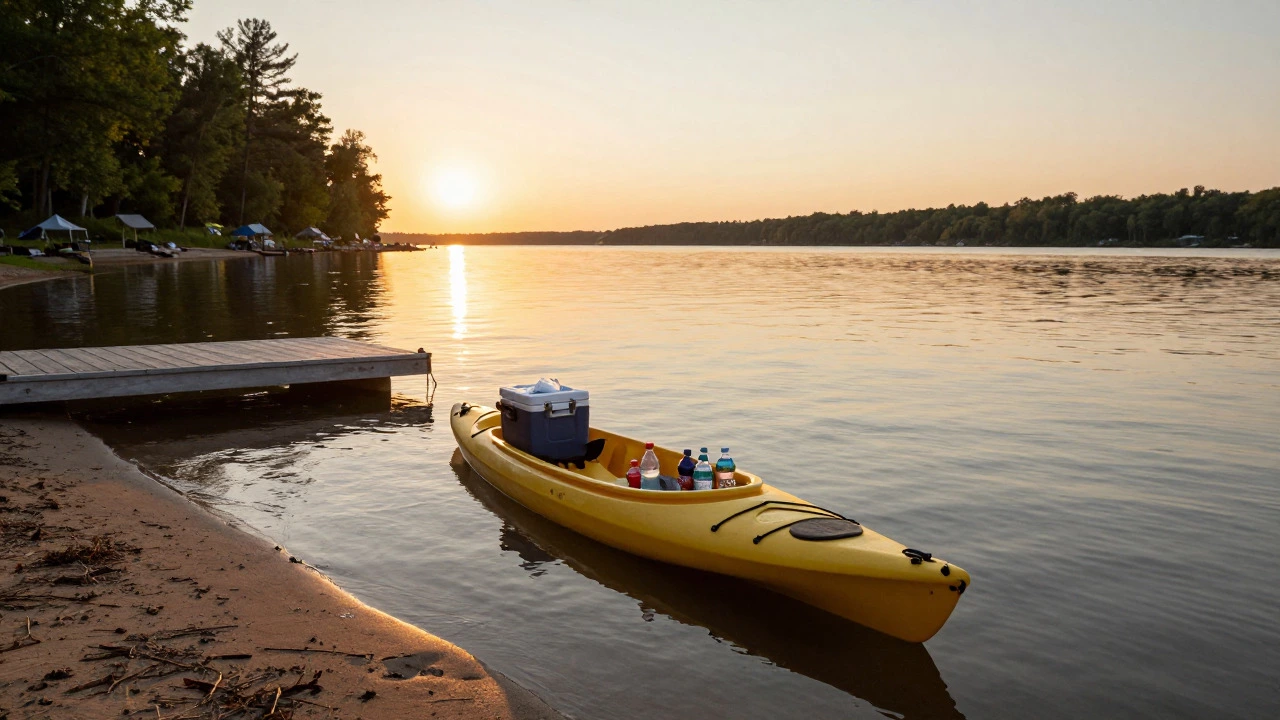
Picture this: you’re paddling down the Huron River in southeast Michigan. The sun is setting, the water is calm, and your cooler is stocked with cold beverages. It feels like the perfect end to a day of exploring nature near one of the many forest campsites scattered across the state. But before you crack that first beer, you need to know the rules. In Michigan, drinking alcohol while operating a kayak isn’t just a bad idea-it’s illegal if you’re considered "in charge" of the vessel.
Many paddlers assume that because a kayak doesn’t have an engine, the rules are looser than they are for powerboats. That assumption can lead to expensive fines or worse. Michigan treats all vessels, including non-motorized ones like kayaks and canoes, under its Boating Under the Influence (BUI) statutes. Understanding these laws helps you enjoy the water safely without running afoul of the authorities.
The Legal Status of Alcohol on Kayaks in Michigan
To understand whether you can drink on a kayak, we first need to define what constitutes a "vessel" under Michigan law. According to the Michigan Recreational Boating Act, which governs watercraft regulations in the state, a vessel includes any watercraft used or capable of being used as a means of transportation on water. This definition explicitly covers non-motorized craft such as kayaks, canoes, paddleboards, and rowboats.
The core issue revolves around the concept of being "in charge." If you are the person steering, paddling, or otherwise controlling the direction and speed of the kayak, you are legally considered the operator. For operators, the blood alcohol concentration (BAC) limit is strict. You cannot operate a vessel with a BAC of 0.08% or higher. While there is no specific "open container" law that bans holding a drink while sitting in a stationary kayak, the moment you start paddling, you are subject to BUI laws.
If your BAC is between 0.02% and 0.07%, you can be charged with Operating While Impaired (OWI). Even below 0.02%, if an officer determines that your ability to operate the kayak safely is impaired by alcohol, you can still face charges. This means that technically, you *can* have a drink, but only if you are not currently paddling and can prove you are not in control of the vessel’s movement.
| Vessel Type | BAC Limit (Operator) | Open Container Allowed? | License Requirement |
|---|---|---|---|
| Kayak / Canoe | 0.08% | No (if operating) | No |
| Powerboat (< 26 ft) | 0.08% | No (if operating) | Safety Course Required* |
| Personal Watercraft (Jet Ski) | 0.08% | No (if operating) | Safety Course Required* |
Why "In Charge" Matters More Than You Think
The phrase "in charge" is the legal pivot point for kayak drinkers. Imagine you’ve stopped at a scenic spot near Pictured Rocks National Lakeshore. You drop your anchor (or tie off to a dock), stop paddling, and take a sip of wine. Are you breaking the law? Likely not, provided you aren't drifting into traffic or other hazards. However, if you are floating downstream even slightly and your feet are in the water ready to push off, an officer might argue you are maintaining control.
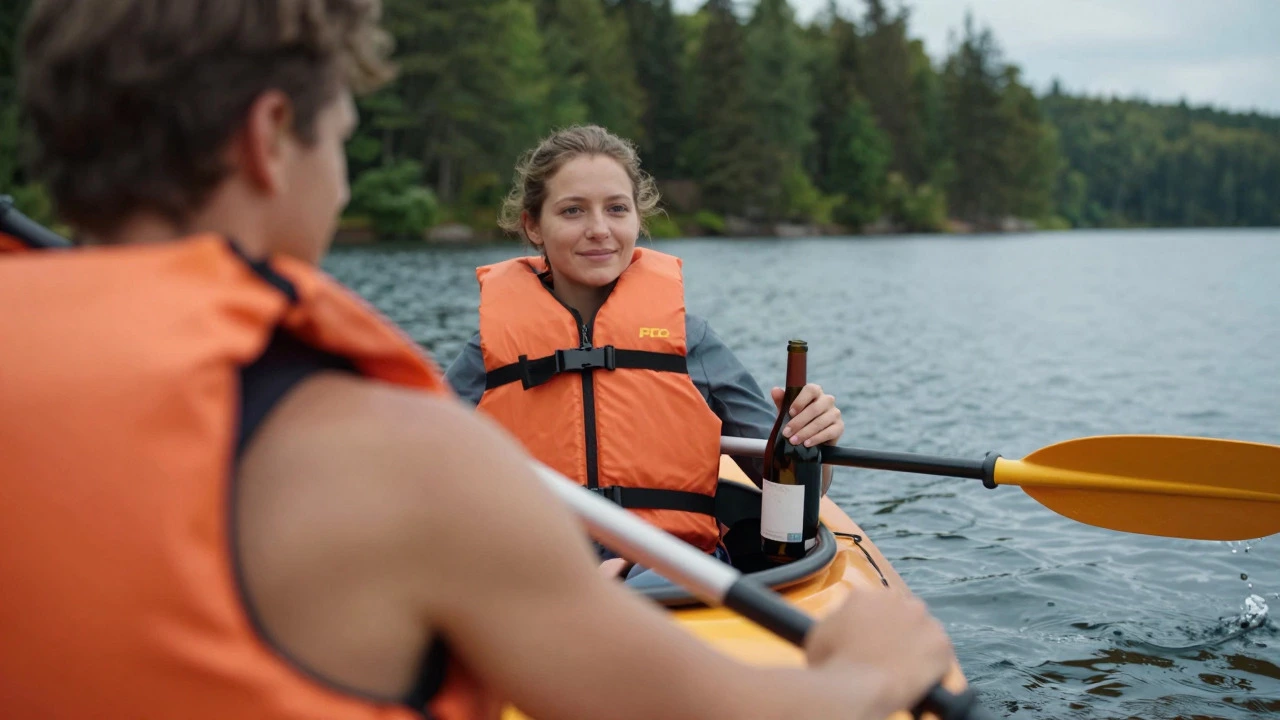
The safest approach is to designate a sober paddler. If you are in a tandem kayak, one person can drink while the other paddles. In a single-person kayak, you must stop completely, secure your position, and ensure you are not influencing the vessel's path before consuming alcohol. Remember, Michigan State Police and local sheriff departments patrol major waterways like Lake Huron and the St. Clair River frequently during summer months.
Safety Risks Beyond the Law
Even if you manage to stay within legal limits, mixing alcohol and kayaking introduces significant physical risks. Alcohol affects balance, coordination, and reaction time-all critical skills for staying upright in a kayak. A sudden wave, a strong current, or a startled fisherman nearby can cause you to capsize. When sober, you might roll back up or swim to shore easily. With alcohol in your system, hypothermia becomes a much greater threat, especially in Michigan where water temperatures rarely exceed 65°F (18°C) even in August.
Alcohol also impairs judgment. You might underestimate the strength of a current in the Detroit River or overestimate your ability to paddle against the wind. Fatigue sets in faster when you're dehydrated from alcohol consumption, leading to slower reflexes. These factors combine to create a dangerous situation that has nothing to do with police citations.
Practical Tips for Enjoying Drinks Responsibly
If you want to enjoy a beverage while on the water, follow these practical steps to minimize risk and legal exposure:
- Use a Dry Bag Cooler: Keep drinks sealed until you reach a safe, stationary location. Use a waterproof dry bag to protect electronics and important documents from splashes.
- Anchor Securely: Don’t rely on drifting. Use a small anchor or tie off to a designated buoy or dock. Ensure you are far enough from navigation channels to avoid interfering with larger boats.
- Wear a Life Jacket: Always wear a properly fitted personal flotation device (PFD). Alcohol increases the likelihood of falling in, and a PFD is your best defense against drowning.
- Stay Hydrated: Alternate alcoholic drinks with water. Dehydration worsens the effects of alcohol and leads to quicker fatigue.
- Know Your Limits: One drink might feel fine, but two could impair your balance significantly. Listen to your body and stop before you feel "buzzed."">
Connecting Kayaking with Forest Campsites
For many adventurers, kayaking is part of a broader outdoor experience that includes staying at Forest Campsites. Michigan offers numerous campgrounds nestled within dense woodlands, such as those found in Tahquamenon Falls State Park or Royal Oak Campground. These sites provide a serene backdrop for pre- or post-kayak relaxation.
When combining camping with kayaking, plan your route carefully. Many forest campsites are located near rivers or lakes that require permits or have specific launch areas. Check with the Department of Natural Resources (DNR) for any seasonal restrictions. For example, some trails near forests may close early due to wildlife activity, affecting your access to water launches.
Staying at a forest campground also allows you to separate your drinking time from your paddling time. You can enjoy a cocktail around the campfire after sunset, knowing you won’t be on the water again until morning. This separation reduces the temptation to drink while actively navigating, keeping both you and your gear safe.
What Happens If You Get Caught?
If you are pulled over or flagged by authorities for suspected BUI, the consequences can be severe. Penalties include fines ranging from $500 to $1,000 for a first offense, potential jail time up to one year, and suspension of your driving privileges-even though you were in a kayak. Repeat offenses carry heavier penalties, including mandatory alcohol education programs and longer license suspensions.
Additionally, your kayak and equipment may be seized temporarily during investigation. While rare, this adds logistical headaches to an already stressful situation. Insurance claims for accidents involving alcohol impairment may also be denied, leaving you responsible for medical bills or damage to others' property.
Is it illegal to hold an open beer in a kayak in Michigan?
Technically, yes, if you are operating the kayak. Michigan does not have a specific "open container" law for non-motorized vessels, but if you are paddling or controlling the kayak with an open alcoholic beverage, you risk being cited for Boating Under the Influence (BUI) if your BAC is 0.08% or higher. To be safe, keep drinks sealed until you are anchored and not in motion.
Do I need a license to kayak in Michigan?
No, you do not need a driver’s license or boat registration to operate a non-motorized kayak in Michigan. However, all operators born after January 1, 1996, must complete a boating safety course to operate motorized vessels. Since kayaks are non-motorized, this requirement does not apply unless you add a small electric trolling motor.
Can I drink alcohol on a canoe in Michigan?
The same rules apply to canoes as they do to kayaks. If you are paddling or steering the canoe, you are considered the operator and must maintain a BAC below 0.08%. Drinking is permitted only when the canoe is securely anchored and you are not in control of its movement.
Are there designated drinking zones on Michigan lakes?
There are no officially designated "drinking zones" for kayaks on public waters. However, many marinas and private docks allow patrons to consume alcohol on their premises. Public beaches and parks often have specific areas where alcohol is permitted, but always check local ordinances before bringing drinks onto public land or water.
What should I do if my kayak capsizes after drinking?
Stay calm and keep your life jacket on. Try to stay with your kayak, as it provides buoyancy and visibility. Signal for help using a whistle or bright clothing. Avoid swimming long distances unless necessary, as cold water and alcohol increase the risk of hypothermia and exhaustion. Once rescued, be honest with authorities about alcohol consumption to ensure proper medical attention.