Can You Carry Alcohol on a Beach? Rules for Campers & Visitors
 May, 14 2026
Beach Alcohol Rule Checker
Where are you going?
Select the type of beach or campsite.
What are you bringing?
Safety is a major factor in beach laws.
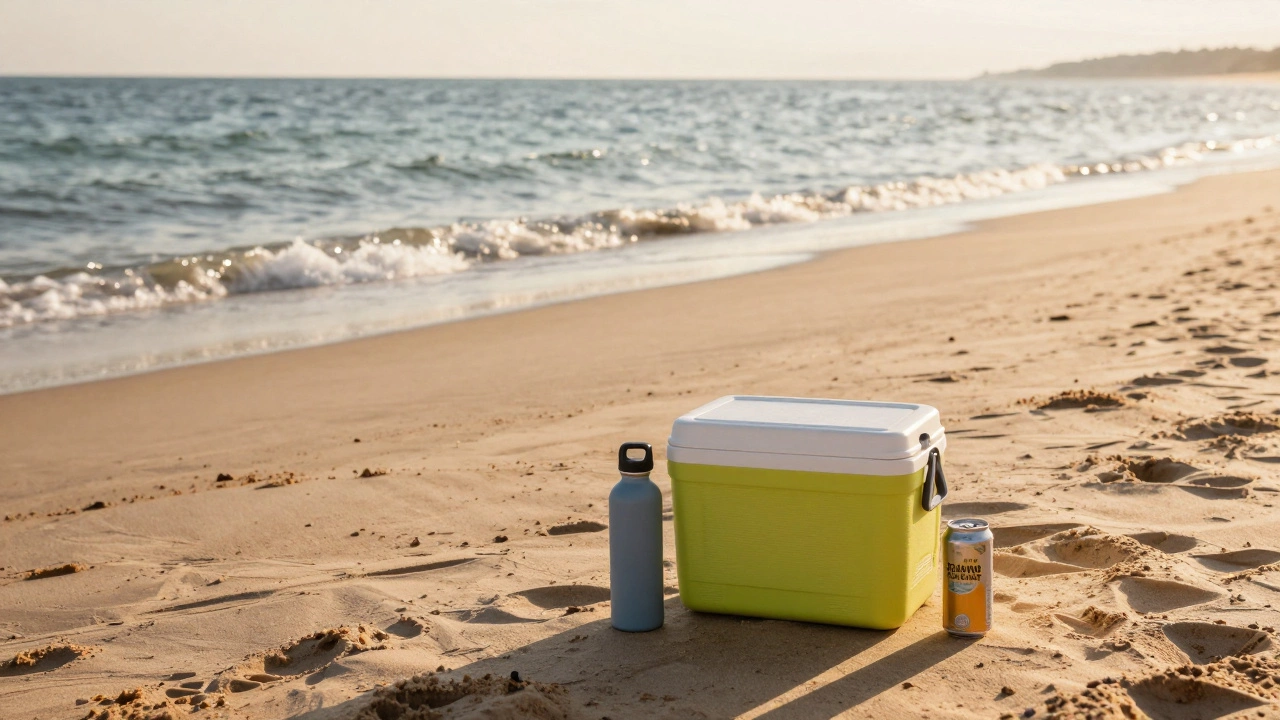
Picture this: you’ve got your cooler packed, the sun is setting over the dunes, and you’re ready to unwind with a cold drink. But before you take that first sip, there’s a question that trips up even seasoned travelers: can you carry alcohol on a beach? The answer isn’t a simple yes or no. It depends entirely on where you are, what kind of beach it is, and whether you’re just visiting or staying overnight at a beach campsite.
I’ve spent years exploring coastal spots from the rugged shores of Western Australia to the sandy stretches of the UK and beyond. One thing I’ve learned is that beach alcohol rules vary wildly. Some places welcome you with open arms (and open cans), while others enforce strict bans with hefty fines. If you don’t know the local laws, you could ruin your trip faster than a sudden storm.
Why Beach Alcohol Laws Exist
You might wonder why some beaches ban alcohol altogether. It’s not just about being overly cautious. Local councils and authorities often step in after dealing with noise complaints, littering, unsafe behavior, or damage to fragile ecosystems. In many cases, these rules protect both visitors and the environment.
For example, in Perth, where I live, certain sections of Cottesloe Beach have restricted alcohol during peak hours to keep families safe and reduce congestion. Other areas allow it freely because they’re designed for social gatherings. Understanding the reasoning behind these rules helps you respect them-and avoid trouble.
- Noise control: Loud music paired with drinking can disturb nearby residents or wildlife.
- Litter prevention: Glass bottles and aluminum cans left behind harm marine life and pollute sand.
- Safety concerns: Drinking near water increases risks like drowning or dehydration.
- Environmental protection: Alcohol spills or trash can damage sensitive habitats like dune grasses or nesting sites.
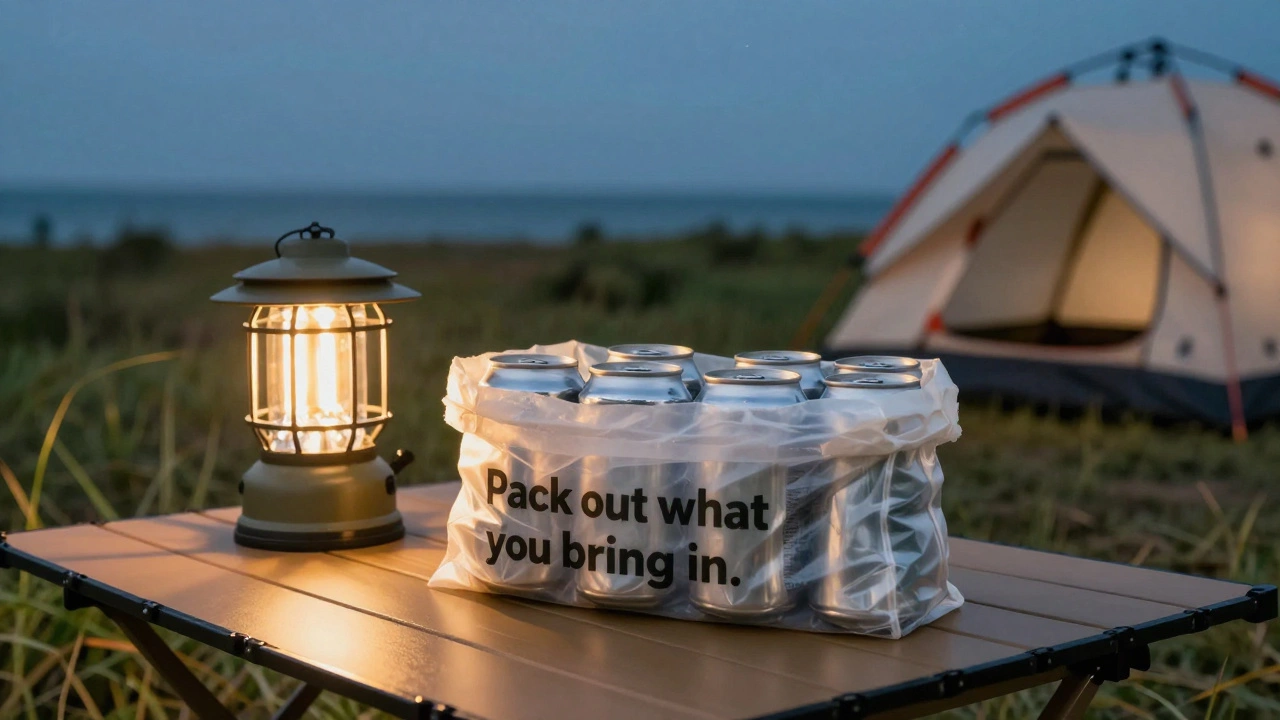
If you’re planning to bring drinks along, think about how your actions affect the space around you. Responsible enjoyment means packing out what you bring in.
Public vs. Private Beaches: What’s the Difference?
Not all beaches are created equal when it comes to alcohol policies. Public beaches fall under government jurisdiction, meaning city or state laws apply. These rules tend to be stricter since they serve large crowds daily. On the other hand, private beaches-often part of resorts, gated communities, or exclusive clubs-set their own guidelines.
| Factor | Public Beaches | Private Beaches |
|---|---|---|
| Ownership | Government-owned | Resort, club, or individual property |
| Alcohol Policy | Often regulated by local ordinances | Determined by owners; may require membership |
| Fines for Violations | Usually higher due to public enforcement | Varies; sometimes expulsion instead of fines |
| Enforcement Style | Lifeguards, police, or council officers | Security staff or hospitality workers |
| Flexibility | Rigid unless exceptions exist | More lenient if aligned with guest experience |
If you're unsure whether a beach is public or private, look for signage or check online maps. Many resort beaches post clear instructions at entry points. When in doubt, ask locals or consult official websites before heading out.

Beach Campsites: Do They Allow Alcohol?
If you’re planning to stay overnight rather than visit for a few hours, beach campsites come into play. Unlike day-use beaches, campsites operate differently. Some fully embrace alcohol as part of the camping experience, offering fire pits perfect for evening sips. Others restrict it to maintain family-friendly environments.
In my experience, most Australian beach campsites permit alcohol within designated zones. For instance, places like Lancelin Caravan Park let guests enjoy drinks responsibly without issue. However, always confirm ahead of time. A quick call or email saves headaches later.
Here’s what to consider when choosing a beach campsite based on alcohol policy:
- Check the fine print: Look through booking terms or FAQs for mentions of alcohol restrictions.
- Contact management directly: Ask specific questions about glass containers, curfews, or noise limits.
- Read recent reviews: Recent feedback often reveals unspoken rules or changes in policy.
- Consider alternative options: If one site doesn’t allow alcohol, nearby alternatives might.
A good rule of thumb? Treat every campsite like someone else’s backyard. Be respectful, clean up thoroughly, and follow posted guidelines.
How to Stay Legal While Enjoying Drinks on the Beach
Want to relax with a beverage without breaking any rules? Here are practical tips to help you navigate beach alcohol laws safely:
- Avoid glass bottles: Many beaches prohibit glass due to safety hazards. Opt for cans or plastic containers instead.
- Stay hydrated: Alcohol dehydrates quickly in sunny conditions. Pair each drink with plenty of water.
- Use insulated coolers: Keep drinks chilled longer without melting ice everywhere.
- Pack out trash: Bring reusable bags to collect empty cans and wrappers. Leave no trace behind.
- Respect quiet hours: Even if alcohol is allowed, loud conversations or music after dark won’t fly.
- Know your limit: Swimming impaired is dangerous. Stick to low-alcohol beverages or switch to non-alcoholic options once things heat up.
These small habits go a long way toward ensuring everyone enjoys the beach responsibly.
What Happens If You Break the Rules?
Ignoring alcohol restrictions on the beach can lead to unpleasant consequences. Fines range anywhere from $50 to several hundred dollars depending on location severity. Repeat offenders face steeper penalties or even temporary bans from accessing certain areas.
In extreme cases, law enforcement steps in. Imagine getting pulled over-not on the road-but on the sand because you ignored a “No Alcohol” sign. Not exactly the vacation vibe you were going for.
To avoid such scenarios, do your homework beforehand. Check municipal websites, read signs upon arrival, and listen to lifeguard announcements. Knowledge protects you far better than luck ever will.
Alternatives to Bringing Your Own Alcohol
If bringing your own drinks feels too risky or inconvenient, don’t worry-you still have plenty of ways to enjoy refreshments legally. Many popular beaches feature licensed kiosks, cafes, or bars right along the shoreline. These establishments hold permits allowing them to sell alcohol onsite.
Additionally, some beachfront restaurants offer takeaway cups so you can stroll along the shore with your purchase. Just remember to dispose of packaging properly afterward. Supporting local businesses also boosts the economy and keeps communities thriving.
Another option? Non-alcoholic beverages! Sparkling juices, infused waters, or herbal teas provide great hydration without worrying about legal boundaries. Plus, they taste amazing under the sun.
Is it illegal to drink alcohol on the beach?
It depends on where you are. Some beaches explicitly ban alcohol, while others allow it freely. Always check local regulations before arriving.
Can I bring beer to a beach campsite?
Most beach campsites permit beer as long as you follow their rules regarding glass, noise, and cleanup. Confirm specifics with the site manager beforehand.
Are glass bottles allowed on the beach?
Glass bottles are frequently banned due to safety concerns. Use cans or plastic containers to minimize risk of injury or environmental harm.
What happens if I get caught drinking where it's prohibited?
You may receive a warning, fine, or removal from the area. Penalties vary by region but typically aim to deter future violations.
Do private beaches allow alcohol?
Private beaches set their own policies. Often, they permit alcohol for members or guests, but verify details prior to visiting.