Can You Camp on Any Beaches in Florida? Rules, Best Spots & Legal Tips
 Jul, 6 2026
Florida Beach Camping Cost & Risk Calculator
Trip Configuration
Enter your trip details to see the cost breakdown.
Picture this: you wake up to the sound of waves crashing just twenty feet from your tent. The sand is cool under your boots, and the air smells like salt and pine. It sounds like a dream, right? But if you’ve ever tried to pitch a tent on a random stretch of Florida coastline, you probably know that reality hits hard. In Florida, you cannot simply drive down to any beach, pull over, and set up camp. Doing so can lead to hefty fines, towing fees, or even arrest.
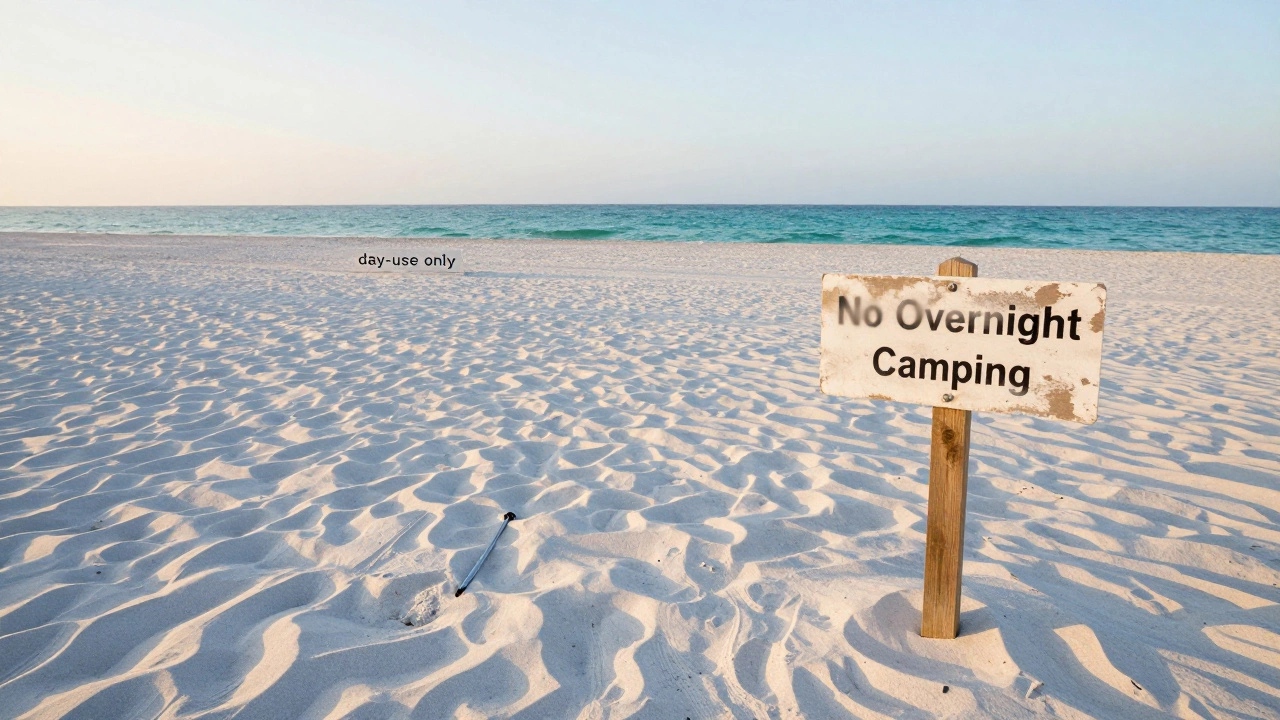
The short answer is no, you cannot camp on any beaches in Florida. Most public beaches are strictly for day-use only. However, there are specific, designated spots where overnight stays are allowed. These range from developed state parks with hookups to rugged, remote areas where you need a high-clearance vehicle and serious preparation. Knowing the difference between legal beach camping and illegal wild camping is crucial for anyone planning a coastal adventure in the Sunshine State.
Why You Can’t Just Pitch Your Tent Anywhere
Florida’s coastline is heavily regulated for good reason. With millions of tourists flocking to the state every year, local governments and conservation agencies have strict rules to protect fragile ecosystems and maintain public safety. Most municipal beaches, such as those in Miami Beach, Daytona Beach, or Clearwater, prohibit overnight camping entirely. This includes sleeping in cars, tents, or RVs.
If you try to camp illegally on these restricted beaches, the consequences are real. Local law enforcement patrols these areas regularly. A typical fine for illegal overnight parking or camping can range from $100 to $500, depending on the county. In some cases, vehicles may be towed at the owner’s expense. Beyond the financial hit, illegal camping damages dune systems that protect inland areas from storms and hurricanes. These dunes take decades to form and can be destroyed by foot traffic and vehicle tracks in a single night.
Is it illegal to sleep in my car on a Florida beach?
Yes, in most cases. Unless you are in a designated campground or a specific area that allows dispersed camping (like parts of Dry Tortugas or certain BLM lands), sleeping in a vehicle on a public beach is prohibited and subject to fines.
Where Is Beach Camping Actually Allowed?
So, if you can’t camp anywhere, where can you go? The best places for beach camping in Florida fall into three main categories: State Parks, National Seashores, and specific County Parks. Each offers a different experience, level of comfort, and booking process.
Florida State Parks
Florida State Parks offer some of the most reliable and scenic beach camping options. These sites are managed by the Department of Environmental Protection and provide amenities like restrooms, showers, and sometimes electrical hookups. They are also required to keep 10% of their campsites available for first-come, first-served reservations, which is great for spontaneous trips.
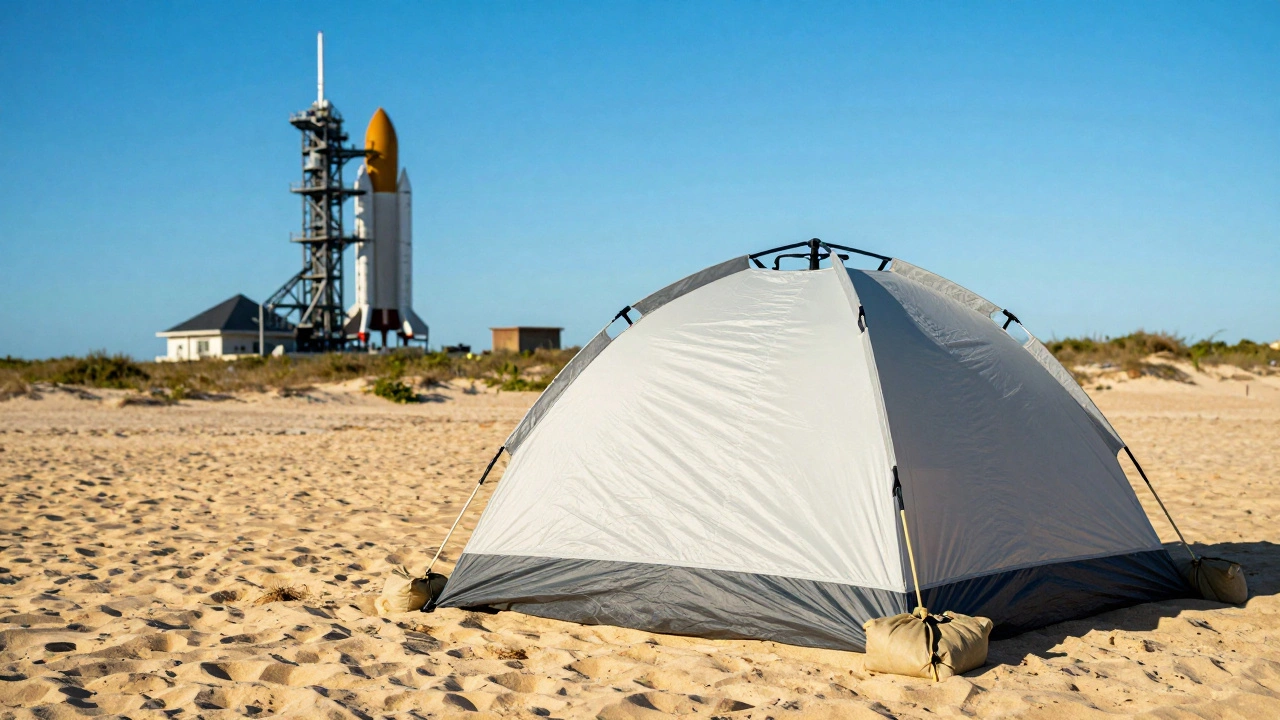
Cape Canaveral National Seashore is a unique protected area along Florida's Space Coast that allows primitive camping on the beach itself. Here, you can pitch your tent directly on the sand near historic rocket launch sites. It’s a rare opportunity to combine space history with ocean views. Another top pick is Honeymoon Island State Park, located near Clearwater. While you don’t camp directly on the water’s edge, the sites are close enough to hear the waves, and the park offers excellent facilities.
National Seashores and Preserves
For those seeking solitude, national preserves often offer more rugged experiences. Dry Tortugas National Park is a remote island destination accessible only by boat or seaplane, offering primitive camping on Garden Key. Getting there requires planning, but once you arrive, you’ll find pristine beaches and clear waters. Note that camping here is limited to specific zones within the park, not just anywhere on the island.
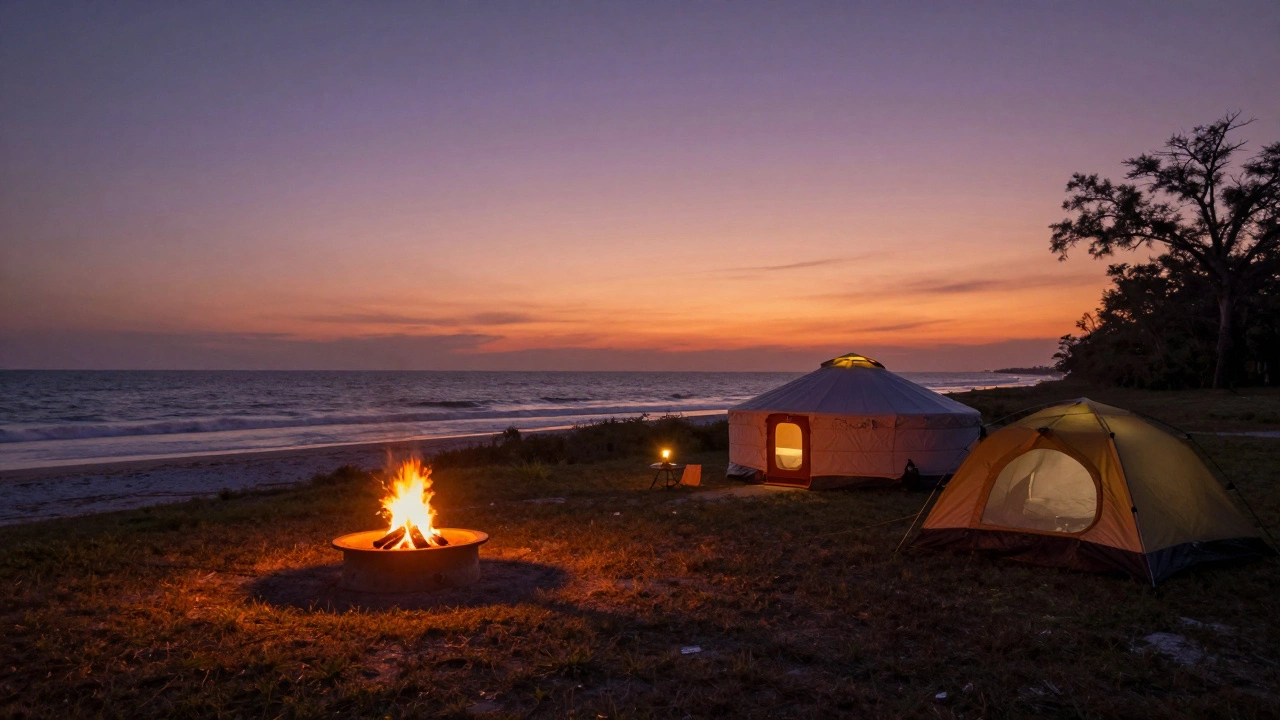
Another option is Fort De Soto Park in St. Petersburg. This county park offers both traditional campsites and yurts right on the Gulf of Mexico. It’s one of the few places where you can truly say you’re camping on the beach with access to modern comforts.
| Location | Type | Amenities | Reservation Required? |
|---|---|---|---|
| Cape Canaveral NS | National Seashore | Primitive, Restrooms, Showers | Yes (Online) |
| Honeymoon Island SP | State Park | Full Hookups, Pool, Wi-Fi | Recommended |
| Fort De Soto Park | County Park | Tent Sites, Yurts, Waterfront | Yes |
| Dry Tortugas NP | National Park | Primitive, Kayaks Available | Yes (Limited Slots) |
Understanding the Rules: What You Need to Know
Even when you find a legal spot, rules still apply. Florida has strict regulations regarding fire, pets, and alcohol. Understanding these before you pack your gear will save you headaches later.
- Fire Restrictions: Open fires are often prohibited on beaches due to wind conditions and fire hazards. Many state parks provide designated fire rings, but you must use them responsibly. Always check current burn bans, especially during dry seasons.
- Pet Policies: Most Florida beaches allow dogs, but usually only during early morning or late evening hours. Leashes are mandatory, and owners must clean up after their pets. Some state parks have specific pet-friendly campsites, so book accordingly.
- Alcohol Laws: Alcohol consumption is banned on many public beaches, including all State Parks. If you want to enjoy a drink by the water, look for private beaches or specific county parks that permit it.
- Noise Ordinances: Quiet hours typically start at 10 PM or 11 PM. Respect your neighbors and wildlife. Loud music or parties can result in immediate eviction from the site.
How to Find Legal Beach Campsites
Finding the right spot takes a bit of research. Don’t rely on word-of-mouth alone; laws change frequently. Here’s how to verify if a location is legal for camping:
- Check Official Websites: Visit the Florida State Parks website or the National Park Service site for detailed maps and regulations. Look for keywords like “overnight camping” or “beach access.”
- Use Reservation Platforms: Sites like ReserveAmerica.com list all official state and federal campgrounds. If it’s not listed there, it’s likely not a legal camping spot.
- Contact Local Authorities: For county parks, call the local parks and recreation department. They can confirm current rules and any temporary closures due to weather or construction.
- Look for Signage: When you arrive, look for signs indicating “No Overnight Parking” or “Camping Prohibited.” If in doubt, ask a ranger or park staff member.
Pro Tips for a Successful Trip
Camping on Florida’s coast comes with unique challenges. Sand gets everywhere, humidity is high, and sun exposure is intense. Here are some practical tips to make your trip smoother:
- Bring Extra Sandbags: Tents sink into sand quickly. Use sandbags or large rocks to secure your stakes firmly. Consider bringing a tarp underneath your tent to protect against moisture and small creatures.
- Protect Against Sun and Bugs: Florida mosquitoes are no joke. Bring strong repellent and wear long sleeves during dawn and dusk. Sunscreen is essential, even on cloudy days.
- Plan for Wind: Coastal winds can be strong. Choose a tent with a low profile and sturdy poles. Avoid setting up too close to the water’s edge where surge lines might reach your site at high tide.
- Reserve Early: Popular spots like Cape Canaveral fill up months in advance, especially during spring break and summer holidays. Book as soon as reservations open.
Alternatives If You Miss Out on Beach Sites
If your preferred beach campground is booked, don’t panic. Florida offers plenty of alternative camping experiences nearby. Many state parks have forested campsites just a short walk from the beach. These sites often provide better shade and protection from wind. Additionally, consider looking into private campgrounds or RV parks near the coast. They may cost more, but they guarantee a spot and often include amenities like pools and laundry facilities.
Another option is to explore inland lakes and rivers. Florida’s interior offers beautiful freshwater camping opportunities with less crowding. Places like Ocala National Forest provide a peaceful retreat while still being relatively close to the coast.
What happens if I get caught camping illegally?
You will likely receive a citation with a fine ranging from $100 to $500. In severe cases, your vehicle may be towed, and you could face additional charges for littering or damaging property. Always respect local laws to avoid these penalties.
Are there any free beach camping spots in Florida?
True free beach camping is extremely rare and mostly non-existent in developed areas. Some remote BLM (Bureau of Land Management) lands might allow dispersed camping, but these are far from typical beach destinations. Most legal options require a fee for maintenance and services.
Can I bring my dog to Florida state park beaches?
Dogs are generally allowed in state park campgrounds but rarely on the beaches themselves. Check individual park rules, as some may allow leashed dogs on trails or in designated areas away from swimming zones.
How far in advance should I book a beach campsite?
For peak seasons (winter and spring), book 4-6 months in advance. For summer and fall, 1-3 months is usually sufficient. Last-minute availability is possible but risky.
Is it safe to camp on Florida beaches at night?
Generally yes, provided you are in a designated, legal campground. Stick to well-lit areas, lock your vehicle, and store food securely to avoid attracting wildlife. Always inform someone of your location.