Can You Camp Anywhere in Wisconsin National Forests? Rules, Fees & Tips
 May, 11 2026
Wisconsin Dispersed Camping Compliance Checker
Select the options that best describe your planned camping trip to check for compliance with federal regulations.
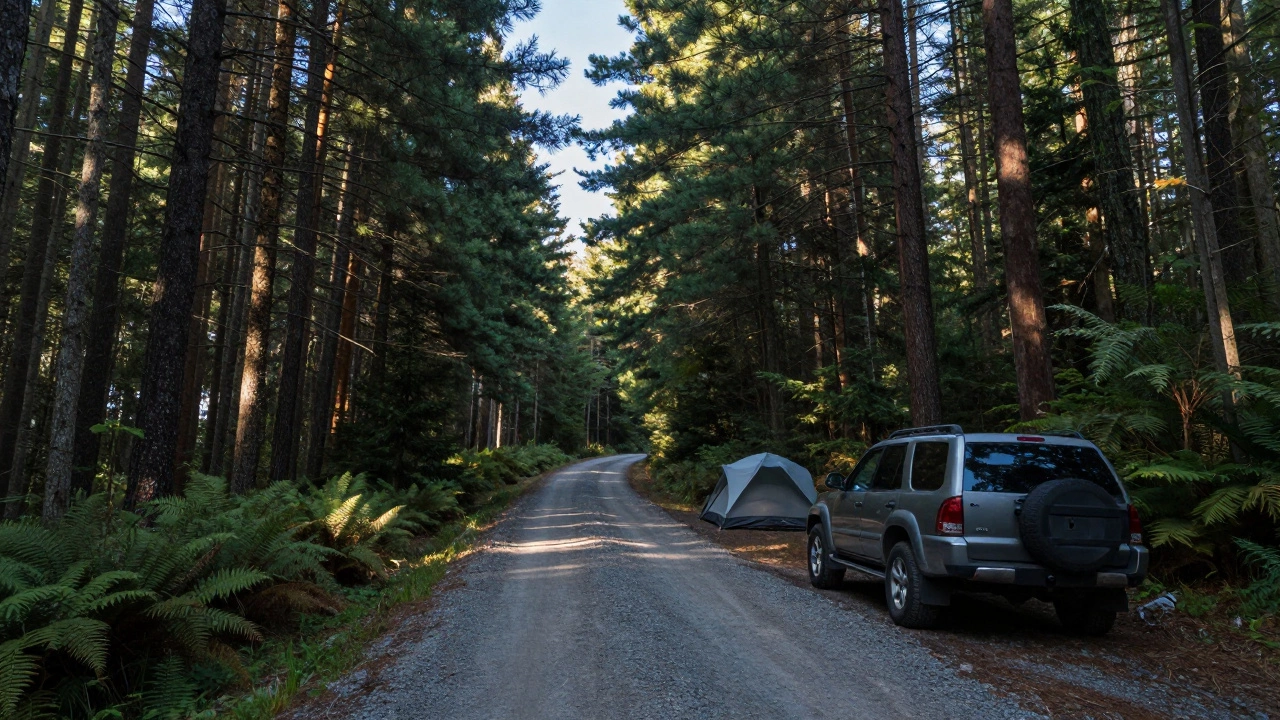
You pull your car onto a gravel road deep in the Wisconsin national forests, specifically the vast woodlands managed by the U.S. Forest Service that cover much of northern Wisconsin. The trees are thick, the air smells like pine and damp earth, and there isn't a single signpost telling you where to park or how much to pay. It looks perfect for a quiet night under the stars. But before you unpack your tent, you need to know one crucial fact: just because it’s public land doesn’t mean you can camp *anywhere*.
The short answer is no. While Wisconsin offers some of the most generous dispersed camping opportunities in the Midwest, "anywhere" is a dangerous word when it comes to federal land. There are specific zones, distances, and rules designed to protect the ecosystem and ensure safety. If you ignore them, you might find yourself with a citation from a ranger or worse, damaging fragile habitats that take decades to recover.
Understanding Dispersed Camping in Wisconsin
First, let’s clear up the terminology. When people ask if they can camp anywhere, they are usually asking about dispersed camping, which is camping on public land without designated facilities like hooks, tables, or toilets. In Wisconsin, this primarily happens within the Chequamegon-Nicolet National Forest, which covers over two million acres across 15 counties in northern Wisconsin. This forest is famous for its accessibility, but it operates under strict federal guidelines set by the U.S. Forest Service.
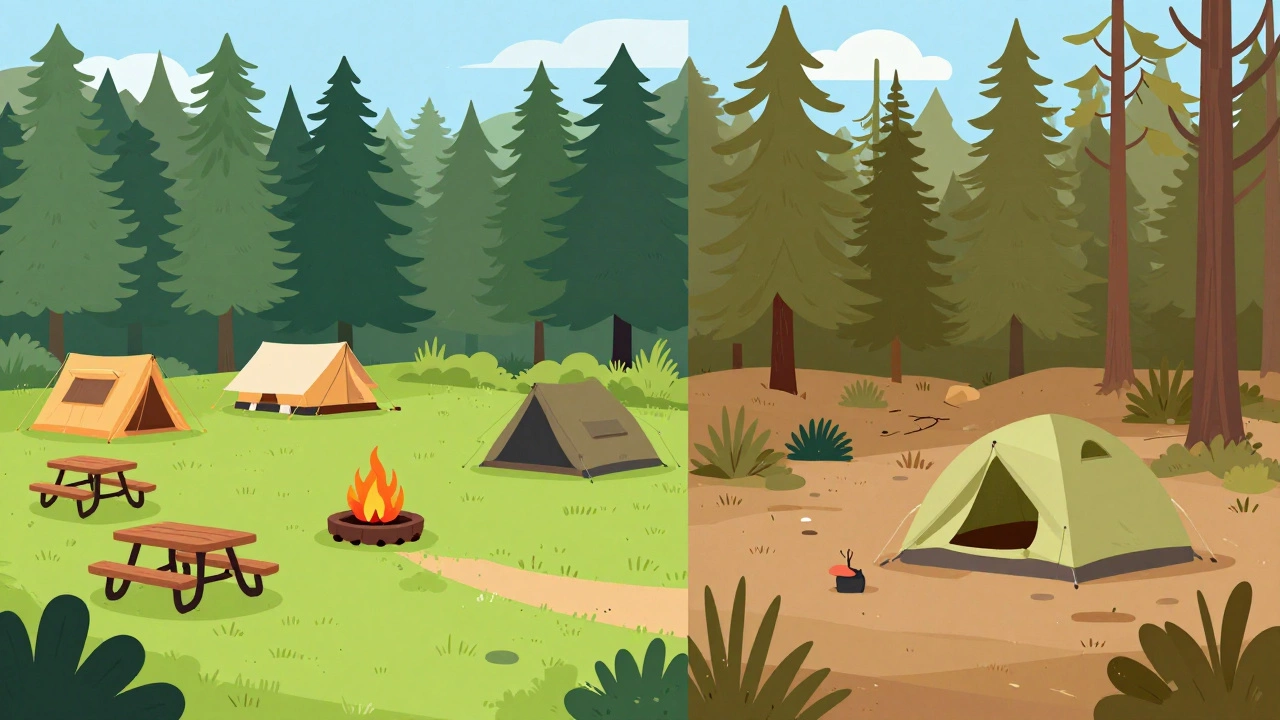
Dispersed camping is different from staying at a developed campground. At a site like Lake Wissota, which is a popular recreational area within the Nicolet portion of the forest offering cabins and campsites, you pay a fee, reserve a spot, and use shared amenities. Dispersed camping means you’re finding your own spot along a forest road, clearing a small area (if necessary), and leaving no trace. It’s cheaper-often free-but it requires more effort and responsibility.
Not all land within the boundaries of the Chequamegon-Nicolet National Forest allows dispersed camping. Some areas are closed due to fire danger, sensitive wildlife habitats, or private inholdings. Always check current conditions before heading out. The forest service website updates closures regularly, especially during dry summer months when fire risk spikes.
Where Is Dispersed Camping Allowed?
You can generally camp on National Forest System lands unless posted otherwise. However, there are critical restrictions you must follow:
- Stay off private property: Just because you see a gate or a driveway doesn’t mean it’s public. Many parcels within the forest boundary are privately owned. Look for signs saying "Private Property" or "No Trespassing." If in doubt, turn around.
- Avoid designated campgrounds: You cannot set up next to a paid campground site. That’s reserved for those who paid the fee. Keep at least 100 feet away from any established campground infrastructure.
- Respect trailheads and parking lots: Don’t block access for others. Park legally and set up your tent at least 200 feet from roads and trails to minimize impact and noise.
- Check local unit rules: The Chequamegon-Nicolet National Forest has multiple ranger districts (like Ashland, Iron River, and Washburn). Each may have slightly different regulations regarding group sizes, fire permits, or seasonal closures.
A good rule of thumb: if you can’t see another car or tent from your spot, you’re probably in a legal dispersed camping zone. But always verify with official maps or ranger stations.
Key Rules Every Camper Must Follow
Camping responsibly isn’t just about avoiding fines-it’s about preserving these woods for future generations. Here are the non-negotiable rules:
- No permanent structures: You can’t build shelters, dig trenches, or leave rocks stacked. Everything must be temporary and removable.
- Leave No Trace: Pack out all trash, including food scraps and biodegradable items like banana peels. Animals shouldn’t be fed, and waste should be buried six inches deep at least 200 feet from water sources.
- Fire safety: Fires are often restricted during high-risk periods. Even when allowed, use existing fire rings or portable stoves. Never leave a fire unattended. Check the U.S. Forest Service fire restrictions page, which provides real-time updates on open burn bans across Wisconsin national forests. before lighting anything.
- Group size limits: Most dispersed sites allow groups of up to eight people. Larger gatherings require special permits and are not permitted in standard dispersed zones.
- Vehicle access: Only drive on established roads. Off-roading destroys vegetation and causes erosion. Stick to graded gravel roads marked on your map.
Violating these rules can result in citations ranging from $50 to hundreds of dollars, depending on the severity. More importantly, careless behavior harms the environment andangers other visitors.
How to Find Legal Dispersed Camping Spots
Finding a good spot takes planning. Here’s how to do it right:
- Use official maps: Download free topographic maps from the USGS or visit the Chequamegon-Nicolet National Forest website. Look for symbols indicating dispersed camping areas or unpaved roads suitable for vehicle access.
- Try apps like iHuntFishCamp: These platforms show user-reported dispersed sites with photos and reviews. Always cross-check with official sources to confirm legality.
- Visit ranger stations: Rangers know the best spots and can warn you about recent closures or hazards. Stop by before heading into remote areas.
- Explore lesser-known roads: Popular spots fill up quickly. Venture down secondary roads less traveled by tourists. You’ll likely find solitude and pristine conditions.
Pro tip: Arrive early in the week or late in the season to avoid crowds. Summer weekends draw huge numbers of campers, even to dispersed areas.
What About Other Public Lands in Wisconsin?
While the Chequamegon-Nicolet National Forest dominates discussions about dispersed camping, other public lands offer alternatives:
| Land Type | Managed By | Dispersed Camping Allowed? | Fees Required? | Best For |
|---|---|---|---|---|
| National Forest | U.S. Forest Service | Yes (with restrictions) | No (unless using developed sites) | Long stays, privacy, backcountry access |
| State Forest | WI DNR | Limited (check specific units) | Sometimes | Hunting, fishing, short trips |
| State Park | WI DNR | No (only designated sites) | Yes | Families, amenities, guided tours |
| County Forest | Local Government | Rarely | Varies | Day use, hiking, biking |
Note: State forests and parks typically prohibit dispersed camping except in very limited circumstances. Always assume it’s prohibited unless explicitly stated otherwise. National forests remain your best bet for flexible, low-cost overnight stays.
Seasonal Considerations for Wisconsin Camping
Wisconsin’s climate affects camping significantly. Spring brings mud and flooding; fall offers crisp air and colorful foliage; winter transforms forests into snowy wonderlands-but also challenges.
- Spring (April-May): Roads may be muddy or washed out. Check road conditions before driving off-pavement. Mosquitoes emerge early.
- Summer (June-August): Peak season. Expect higher traffic, even in dispersed areas. Fire restrictions common. Book reservations for developed sites well in advance.
- Fall (September-October): Ideal time for many. Cooler temperatures, fewer bugs, stunning colors. Fewer fire restrictions.
- Winter (November-March): Snow covers most roads. Dispersed camping becomes extremely difficult without snowmobiles or skis. Some areas close entirely.
If you’re new to dispersed camping, start in late spring or early fall when conditions are forgiving and crowds are thinner.
Common Mistakes to Avoid
Even experienced campers make errors. Here’s what to watch for:
- Assuming all public land equals free camping: Private inholdings exist everywhere. Respect boundaries.
- Parking too close to water: This damages riparian zones and increases erosion. Stay 200+ feet from lakes and streams.
- Leaving gear behind: Forgotten tents or chairs attract animals and clutter landscapes. Take everything home.
- Igoring weather forecasts: Thunderstorms roll through quickly in summer. Have an exit plan.
- Overestimating self-sufficiency: Cell service is spotty. Carry paper maps, extra fuel, and emergency supplies.
Mistakes happen, but preparation minimizes risks. Plan ahead, stay informed, and respect the land.
Is dispersed camping really free in Wisconsin national forests?
Yes, dispersed camping is generally free in the Chequamegon-Nicolet National Forest as long as you don’t use developed facilities. However, some remote areas may require a permit for large groups or commercial activities. Always check current regulations online or at ranger stations.
Can I camp near Lake Superior in the national forest?
Yes, parts of the Chequamegon-Nicolet National Forest border Lake Superior. Dispersed camping is allowed along certain shoreline roads, but you must maintain distance from private properties and protected dune ecosystems. Use caution near steep cliffs and unstable ground.
Do I need a permit for dispersed camping?
For individual or small group camping (up to eight people), no permit is required. Groups larger than eight or events involving organized activities may need special use permits. Contact the local ranger district office for details.
Are pets allowed while dispersed camping?
Pets are welcome but must be kept on leashes no longer than six feet. Clean up after them immediately. Never leave pets unattended, as predators like coyotes and bears roam the area.
What should I do if I encounter a bear?
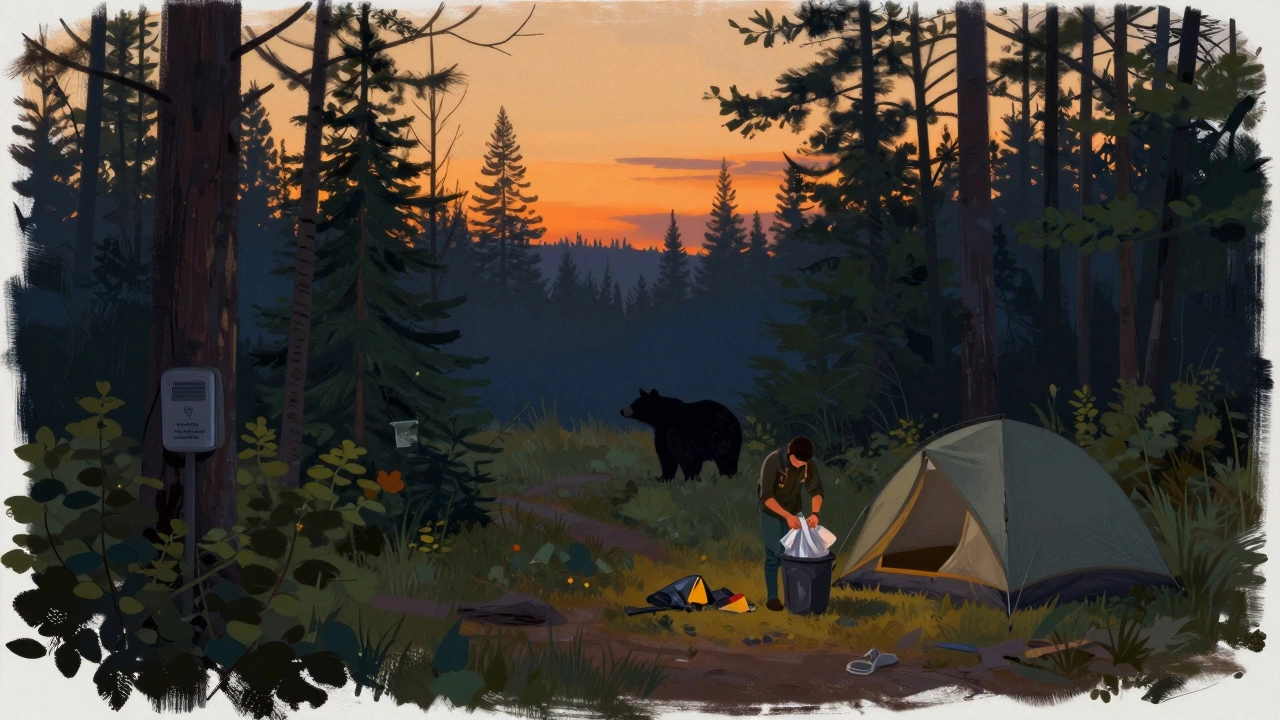
Black bears are common in Wisconsin national forests. Store food in bear-proof containers or hang it between trees at least 10 feet high and 4 feet from trunks. Make noise while moving to avoid surprising them. If you see a bear, slowly back away and give it space. Do not run.