Can You Camp Anywhere in a Michigan National Forest? Rules, Maps & Tips
 Jun, 11 2026
Michigan National Forest Camping Compliance Checker
- Distance: 150ft from water/trails
- Stay Limit: 14 days per 30 days
- Fires: Existing rings or stoves only
- Waste: Catholes 6-8" deep, 200ft from water
- Pets: Leashed under 6ft always
- Location: No highways or private land
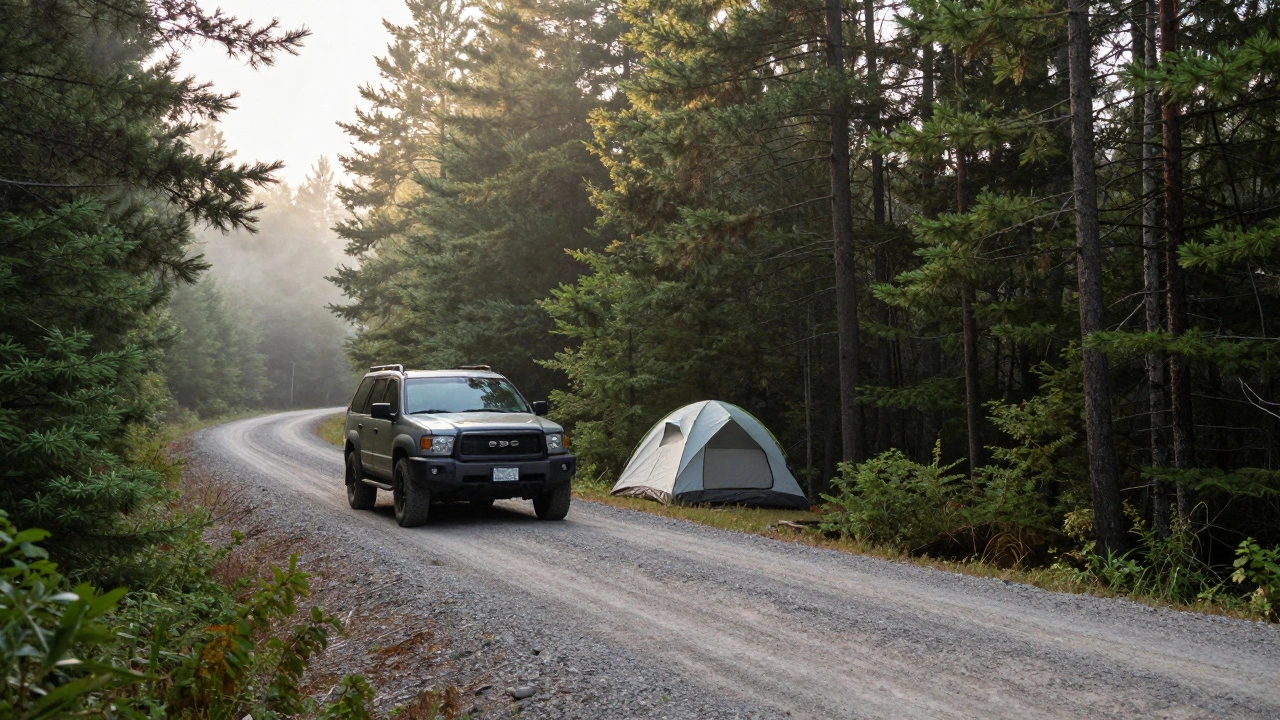
You pull your trailer up to a quiet spot off the gravel road in the Upper Peninsula of Michigan's rugged northern region known for its vast forests and lakes. The pine trees are thick, the air is crisp, and it looks like the perfect place to set up camp for the night. But before you pitch that tent, you need to know one critical fact: just because it’s public land doesn’t mean you can camp anywhere.
The short answer to whether you can camp anywhere in a Michigan national forest is no. While these forests offer significantly more freedom than state parks or private campgrounds, they operate under specific federal regulations designed to protect the environment and ensure safety. Understanding these rules is the difference between a memorable adventure and a costly fine or an awkward encounter with rangers.
Understanding Dispersed Camping in Michigan
When people ask if they can camp "anywhere," they are usually referring to dispersed camping is camping outside of designated developed sites without hookups or fees. In Michigan, this practice is widely permitted within the two main national forests managed by the U.S. Forest Service (USFS): the Hiawatha National Forest is a national forest located in Michigan's Upper Peninsula covering over 600,000 acres and the Ottawa National Forest is a national forest in northern Lower Michigan featuring diverse landscapes from dunes to forests.
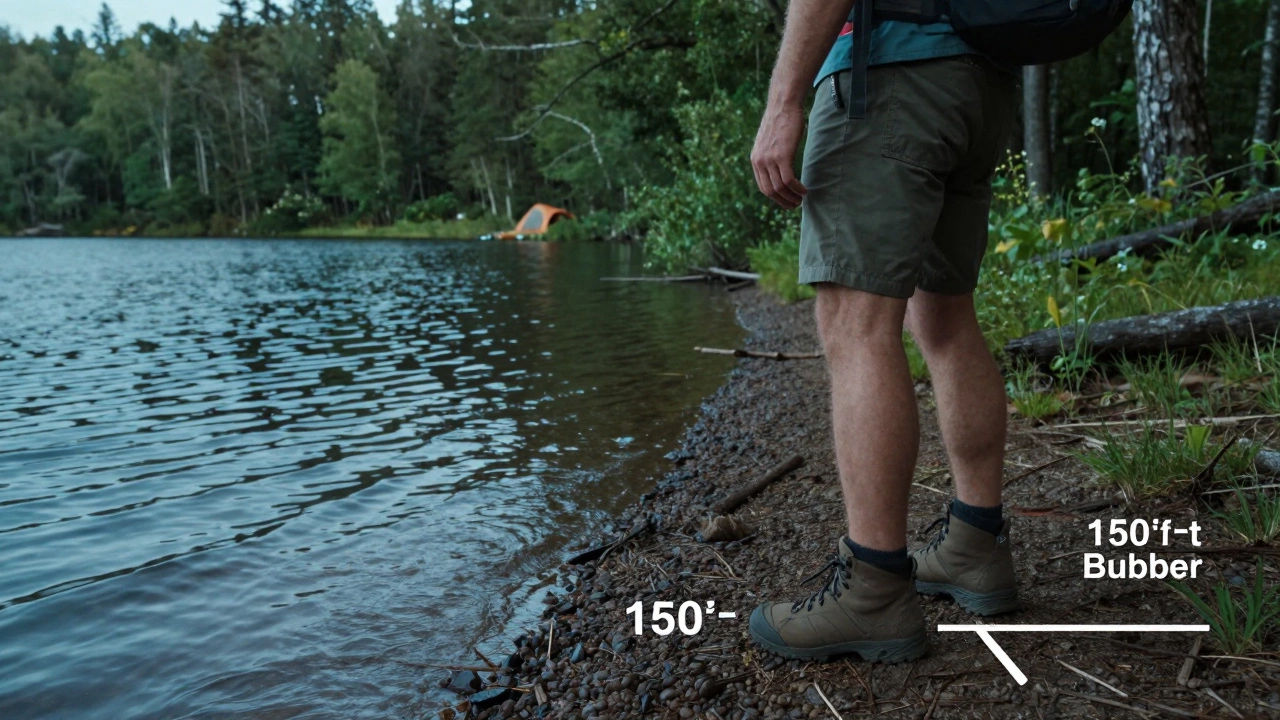
However, "widely permitted" has strict boundaries. The general rule across most USFS lands in Michigan is that you must be at least 150 feet away from any trail, water source, or developed campground. This buffer zone helps prevent soil erosion, protects wildlife habitats, and keeps noise levels down for everyone. You aren't looking for a hidden gem; you're looking for a spot that leaves no trace.
It is also crucial to distinguish between National Forests and State Forests. Many visitors confuse the two. State forests in Michigan often have stricter rules, sometimes requiring permits even for dispersed camping, whereas National Forests generally allow free dispersed camping as long as you follow the guidelines. Always check the signage when you enter. If you see a sign saying "No Camping," do not ignore it. Those signs are legally binding.
Where Exactly Can You Pitch Your Tent?
Finding the right spot requires a bit of strategy. You cannot simply park on the side of a highway and set up shop. Here is how to identify legal spots:
- Forest Roads: Look for smaller, unpaved roads that branch off the main highways. These are often marked on maps but might not be well-maintained. A high-clearance vehicle is helpful here, but many standard SUVs can handle them if driven carefully.
- Existing Clearings: Sometimes you will find small, worn-down areas where others have camped before. While it might be tempting to use these, try to avoid expanding them. Instead, look for nearby undisturbed ground to minimize impact.
- Distance Matters: Use a measuring tape or pace out your distance. One hundred fifty feet is roughly 50 large steps. Ensure you are this far from streams, lakes, and established trails.
Avoid camping near private property lines. In Michigan, the checkerboard pattern of land ownership means private parcels often intermingle with public forest land. If you are unsure, stick to clearly marked public access points. Encroaching on private land is trespassing, and it can lead to serious legal issues.
Key Rules and Regulations You Must Follow
Freedom comes with responsibility. The USFS enforces several key regulations to keep the forests healthy and accessible for future generations. Ignoring these rules can result in fines ranging from $100 to $500 or more.
- Stay Limits: You can typically stay in one dispersed location for up to 14 days within a 30-day period. After 14 days, you must move at least 2 miles away from your original site. This prevents long-term occupation and allows the land to recover.
- Fire Restrictions: Fire rules change frequently based on weather conditions. During dry spells, open fires may be banned entirely. Even when allowed, fires must be contained in existing fire rings or portable stoves. Never leave a fire unattended. Check the current fire restrictions for Hiawatha or Ottawa National Forest before you go.
- Leave No Trace: Pack out everything you pack in. This includes all trash, food scraps, and human waste. For waste, dig a cathole at least 6-8 inches deep and 200 feet away from water sources. Bury it properly when you leave.
- Alcohol and Pets: Alcohol is generally permitted, but public intoxication is not. Pets must be kept on a leash no longer than 6 feet at all times. They must also be under control to prevent them from chasing wildlife or disturbing other campers.
One common mistake is assuming that because there are no guards, there are no rules. Rangers do patrol, especially during peak summer months. They are looking for violations like illegal dumping, unauthorized structures, or excessive noise. Respect the land, and you won't have any problems.
Best Areas for Dispersed Camping in Michigan
While you can camp in many places, some areas offer better experiences due to scenery, accessibility, and amenities. Here are three top recommendations for first-time dispersed campers in Michigan.
| Location | National Forest | Best For | Access Difficulty |
|---|---|---|---|
| Porcupine Mountains Area | Hiawatha | Scenic views, hiking | Moderate (gravel roads) |
| Tecumseh Lake Region | Ottawa | Fishing, family-friendly | Easy (paved/gravel mix) |
| Copper Country Roadless Area | Hiawatha | Seclusion, wilderness feel | Hard (4WD recommended) |
The Porcupine Mountains area offers stunning vistas and is close to popular hiking trails. However, it gets crowded, so arrive early in the season or later in the afternoon to secure a good spot. The Tecumseh Lake region in the Ottawa National Forest is fantastic for families because the roads are more accessible, and there are plenty of lakes for fishing and swimming. For those seeking true solitude, the Copper Country Roadless Area in Hiawatha provides a remote experience, but you will need a sturdy vehicle and self-sufficiency skills since help is far away.
Essential Gear and Preparation Tips
Camping in a national forest is different from staying at a resort-style campground. You are on your own. Here is what you need to prepare:
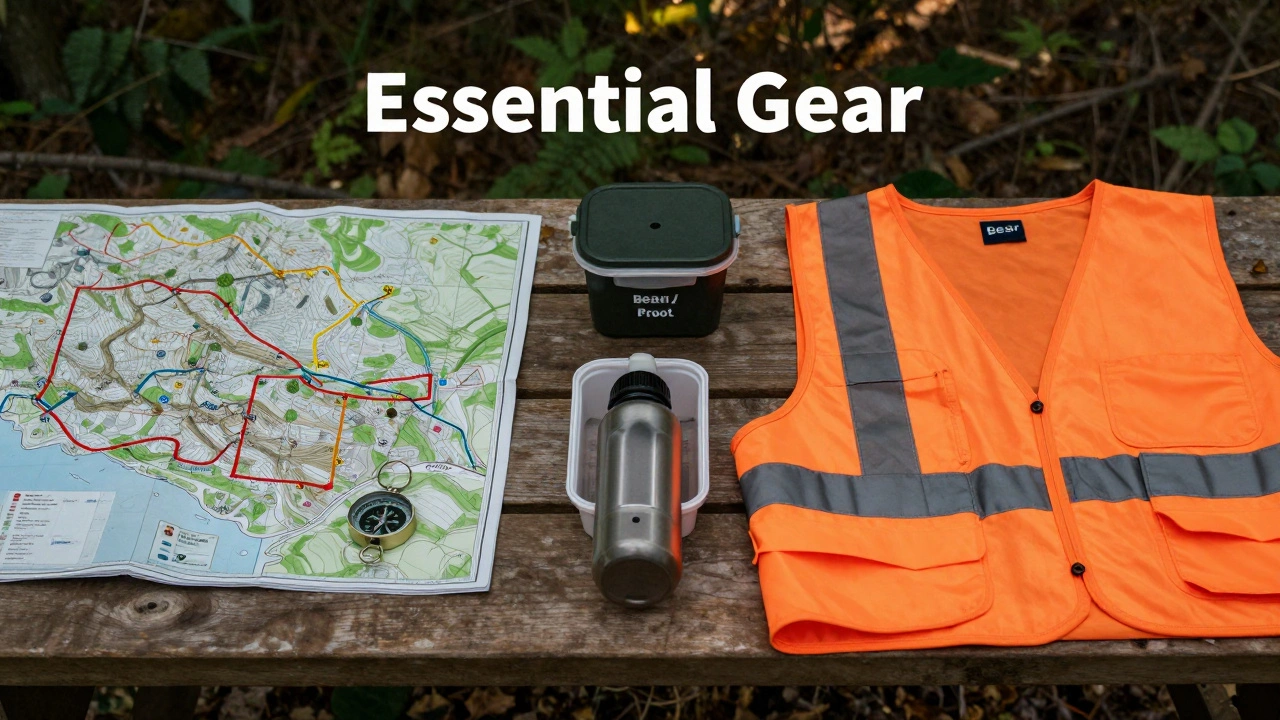
- Navigation Tools: Cell service is unreliable in many parts of Michigan's national forests. Download offline maps using apps like Gaia GPS or OnX Hunt. Bring a physical map and compass as a backup.
- Water Filtration: Do not drink directly from streams or lakes. Giardia and other pathogens are present. Bring a reliable water filter or purification tablets.
- Bear Safety: Black bears are common in Michigan. Store all food, trash, and scented items in bear-proof containers or hang them from a tree branch at least 10 feet high and 4 feet out from the trunk. Never cook or eat in your tent.
- Weather Gear: Michigan weather can change rapidly. Even in summer, nights can be cold. Bring layers, rain gear, and a sturdy tent that can handle wind.
Before you go, check the USFS website for any temporary closures due to logging operations, hunting seasons, or wildfire risks. Hunting seasons in fall and winter mean you should wear bright orange clothing to ensure visibility to hunters.
Common Mistakes to Avoid
Even experienced campers make errors. Avoid these pitfalls to ensure a smooth trip:
- Camping Too Close to Water: It feels convenient, but it damages riparian zones and attracts insects. Stick to the 150-foot rule.
- Leaving Fires Unattended: A single spark can start a massive wildfire. Always extinguish fires completely with water until the ashes are cool to the touch.
- Ignoring Private Property: Don't assume land behind a fence is public. Verify boundaries using official maps.
- Overstaying Your Welcome: The 14-day limit is strict. Moving on allows others to enjoy the spot and gives the land time to heal.
By respecting these guidelines, you contribute to the preservation of Michigan's beautiful national forests. Dispersed camping is a privilege, not a right. Treat the land with care, and it will reward you with peace, beauty, and unforgettable memories.
Is dispersed camping free in Michigan national forests?
Yes, dispersed camping in Michigan's national forests (Hiawatha and Ottawa) is generally free. There are no fees for setting up camp outside of developed sites. However, you must still follow all USFS regulations regarding stay limits, fire rules, and Leave No Trace principles.
How far from water can I camp in a Michigan national forest?
You must camp at least 150 feet (approximately 50 paces) away from any water source, including lakes, rivers, and streams. This rule helps protect water quality and wildlife habitats. Always measure your distance carefully before setting up your tent.
Can I bring my RV for dispersed camping?
Yes, you can bring an RV, but you must be prepared for rough terrain. Many dispersed camping spots are accessible only via gravel or dirt roads that may require high clearance or four-wheel drive. Ensure your RV is suitable for off-road travel and always park on durable surfaces to minimize environmental impact.
Are there cell phone signals in Michigan national forests?
Cell phone coverage is spotty and unreliable in many areas of Michigan's national forests, especially in remote regions like the Copper Country Roadless Area. Do not rely on your phone for navigation or emergency calls. Download offline maps and consider carrying a satellite communicator for safety.
What happens if I get caught camping illegally?
If you are found camping in a prohibited area, such as too close to water or on private land, you may receive a warning or a fine. Fines can range from $100 to $500 or more depending on the severity of the violation. Rangers prioritize education, but repeated offenses can lead to legal action and bans from entering the forest.