Can I Use My Camping Tent on the Beach? A Practical Guide
 Aug, 27 2026
🏕️ Beach Camping Readiness Quiz
Loading question...
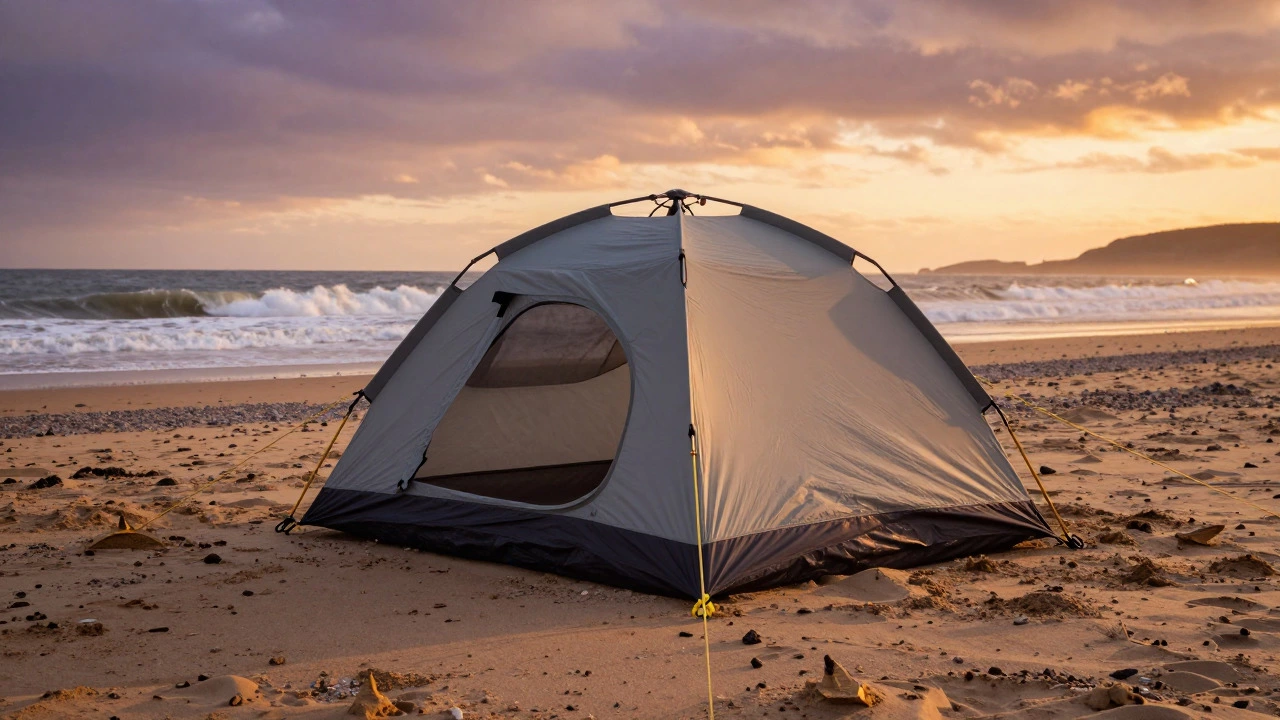
Imagine setting up your favorite dome tent right next to the waves. It sounds like a dream, but the reality is often a battle against shifting sand and salty winds. The short answer is yes, you can use your standard camping tent on the beach, but only if you adapt your gear and respect the local environment. Most standard tents fail on the coast not because of the fabric, but because the ground cannot hold them.
If you are planning a trip to a designated beach campsite, you need to understand how sand behaves differently from grass or dirt. Sand is loose, granular, and constantly moving. This makes traditional staking methods ineffective. Without the right preparation, a moderate breeze can turn your shelter into a sail, dragging it across the dunes or collapsing the poles.
The Problem with Standard Stakes in Sand
Your regular metal or plastic stakes rely on friction and soil density to stay put. On a beach, these usually just pop out when the wind picks up. The grains of sand shift around the stake, reducing its grip. If you have ever tried to pull a standard spike out of wet sand, you know it’s easy. But keeping it *in* while a gust hits at 30 km/h is another story entirely.
To solve this, you need to change your anchoring strategy. Here is what works best for sand anchoring:
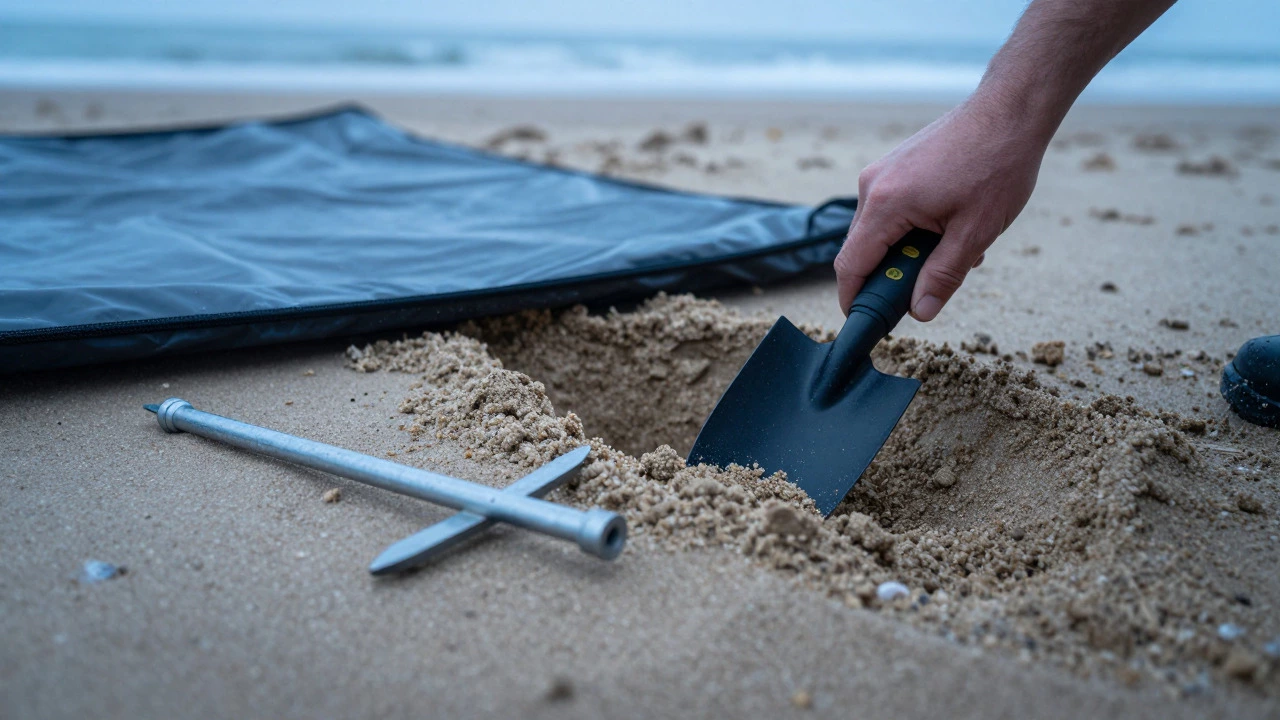
- Sand Anchors (Deadmen): These are flat, heavy objects buried horizontally under the sand. You connect your guy lines to them using carabiners. They work by using the weight of the earth above them to resist pulling force.
- Longer Stakes: If you must use spikes, go for ones that are at least 15-20 cm longer than your usual set. The deeper they go, the more stable they become.
- Tent Weights: Some people use bags filled with sand placed directly on top of the tent corners. This adds downward pressure, making it harder for the wind to lift the structure.
Pro tip: Dig a small trench where your sand anchor will sit. Pack the sand down tightly with your foot before burying it. Loose sand around the anchor will wash away in the first rain or tide, leaving you with no hold.
Wind: The Real Enemy on the Coast
Even if you secure the stakes, the wind itself poses a significant threat. Coastal areas experience consistent breezes that can be unpredictable. Unlike forest campsites where trees break the wind, beaches offer little to no protection. Your tent needs to handle lateral stress, not just vertical load.
When choosing a spot, look for natural windbreaks. Dune vegetation, large rocks, or even the shape of the coastline can shield you from the worst gusts. Avoid setting up on the very edge of the dune line if possible, as this area often experiences stronger funneling effects. Instead, aim for a slightly elevated area behind the first row of dunes if permitted by local regulations.
Check the weather forecast specifically for wind speeds, not just temperature. A day with 20-30 km/h winds might feel pleasant indoors, but it can rattle a poorly secured tent all night. If the forecast predicts sustained winds over 40 km/h, consider bringing a tarp or reinforcing your guylines further.
Moisture and Salt Air Considerations
Salt air is corrosive. Over time, it can degrade zippers, pole joints, and even the coating on your tent fabric. While one weekend won’t ruin your gear, frequent beach camping requires extra care. After your trip, rinse your tent and gear with fresh water to remove salt residue. Pay special attention to metal parts like hooks and buckles.
Humidity is also higher near the ocean. Condensation inside the tent can be severe, especially during cooler nights. To manage this, ensure your tent has good ventilation. Open the mesh panels if the weather allows. Using a groundsheet that extends beyond the tent footprint helps prevent damp sand from wicking up into your sleeping bag.
Here is a quick comparison of how different tent features perform in a coastal environment:
| Feature | Standard Grass Setup | Beach/Sand Setup | Recommendation |
|---|---|---|---|
| Staking Method | Standard spikes | Unreliable, pops out easily | Use sand anchors or deadmen |
| Wind Resistance | Moderate (trees help) | High exposure | Maximize guylines, choose low-profile tent |
| Ground Moisture | Low to Moderate | High (tides, humidity) | Use waterproof groundsheets, elevate sleeping pad |
| Corrosion Risk | Low | High (salt spray) | Rinse gear after use, check zippers |
Choosing the Right Spot and Regulations
Not every stretch of beach allows camping. Many popular tourist beaches prohibit overnight stays due to erosion concerns or wildlife protection. Before you pack, check the local council or national park rules. In Australia, for example, some beaches require specific permits, while others have designated camping zones separated from the main swimming areas.
Look for signs indicating "Camping Permitted" or "No Camping." Ignoring these signs can result in fines or being asked to leave abruptly. Even where camping is allowed, there are often restrictions on fire pits, generator noise, and trash disposal. Stick to the designated areas to minimize your impact on the ecosystem.
Timing matters too. Tides can change your setup location dramatically. Check the tide tables for your specific location. Setting up too close to the high-tide mark risks waking up in a puddle-or worse, having your gear washed away. Aim for a spot that remains dry at least two hours above the predicted high tide level.
Packing Tips for Coastal Comfort
Lighter isn’t always better on the beach. You want stability. Consider bringing a smaller, more robust tent rather than a large, airy one. A double-wall tent offers better insulation against the damp air and provides a buffer zone for condensation.
Bring extra rope. Guylines are critical for stability, and having spare cordage ensures you can adjust tension as the wind shifts throughout the night. Also, pack a repair kit with patches and seam sealer. Sand abrasion can wear down tent fabrics faster than normal use.
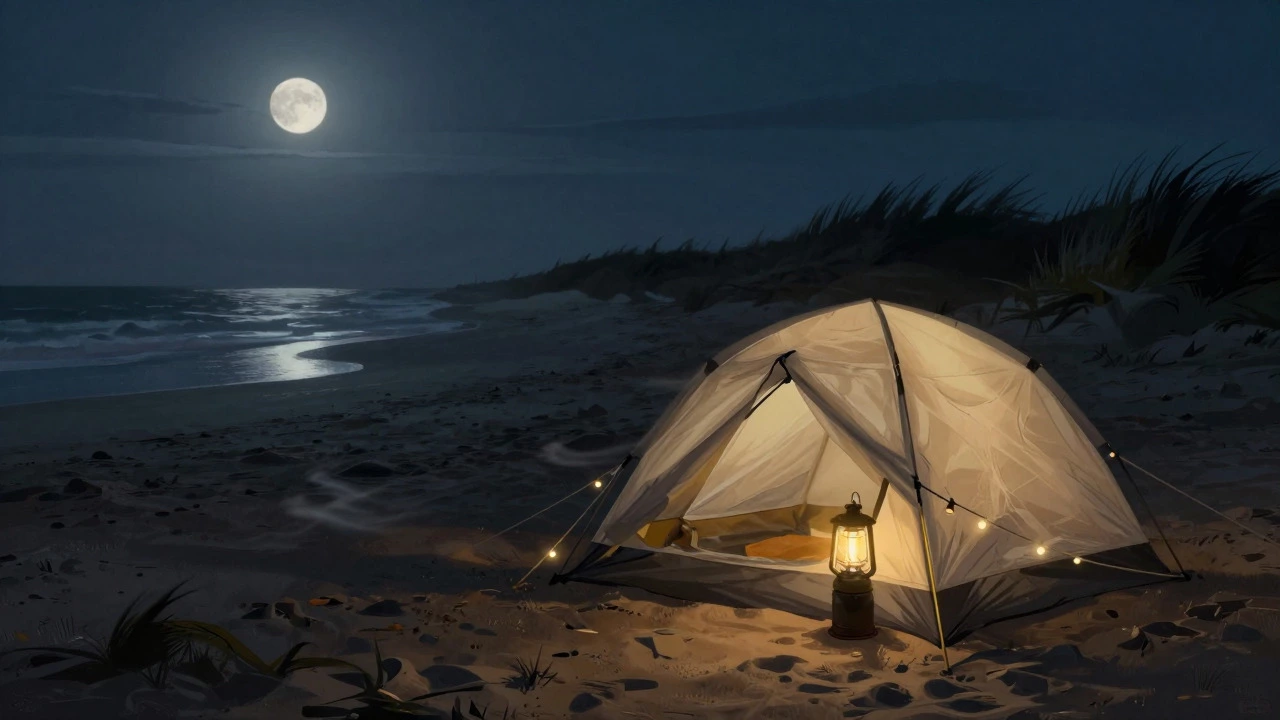
Finally, think about lighting. String lights or battery-powered lanterns are safer than candles or gas lamps in a windy, sandy environment. Keep your food sealed in hard containers to deter seals or other curious animals that might wander onto the beach at night.
Frequently Asked Questions
Do I need special stakes for beach camping?
Yes, standard stakes often fail in sand. You should use sand anchors (deadmen) or significantly longer stakes that penetrate deep into the packed sand layer. Regular spikes tend to pop out when the wind applies lateral force.
Is it safe to camp right next to the water's edge?
Generally, no. You should set up at least 30-50 meters back from the high-tide line to avoid flooding and wave action. Always check local tide charts and regulations before selecting a spot.
How do I protect my tent from salt corrosion?
Rinse your tent, poles, and zippers with fresh water immediately after your trip. Dry everything thoroughly before storing it. Salt residue accelerates rust and degrades fabric coatings over time.
What kind of tent is best for the beach?
A low-profile, aerodynamic tent with strong poles is ideal. Double-wall tents are preferred for managing condensation. Avoid tall, boxy structures that act like sails in the wind.
Are there rules about fires on the beach?
Rules vary by location. Many beaches ban open fires due to fire risk and environmental impact. Check local council guidelines. If allowed, use established fire rings and never leave a fire unattended.