Can Dogs Get Parvo from Sharing Water? Dog Owners at Campsites Need to Know This
 Dec, 18 2025
Parvo Risk Calculator
Dog Parvo Risk Assessment
Enter your dog's camping situation to calculate parvo risk. Based on CDC and AVMA guidelines.
Risk Assessment
Every year, dog owners head out to campsites with their pups, excited for fresh air, long walks, and shared meals under the stars. But here’s something no one talks about enough: dog parvo can spread in places you’d never expect-like a shared water bowl at a campsite.
How Parvo Actually Spreads
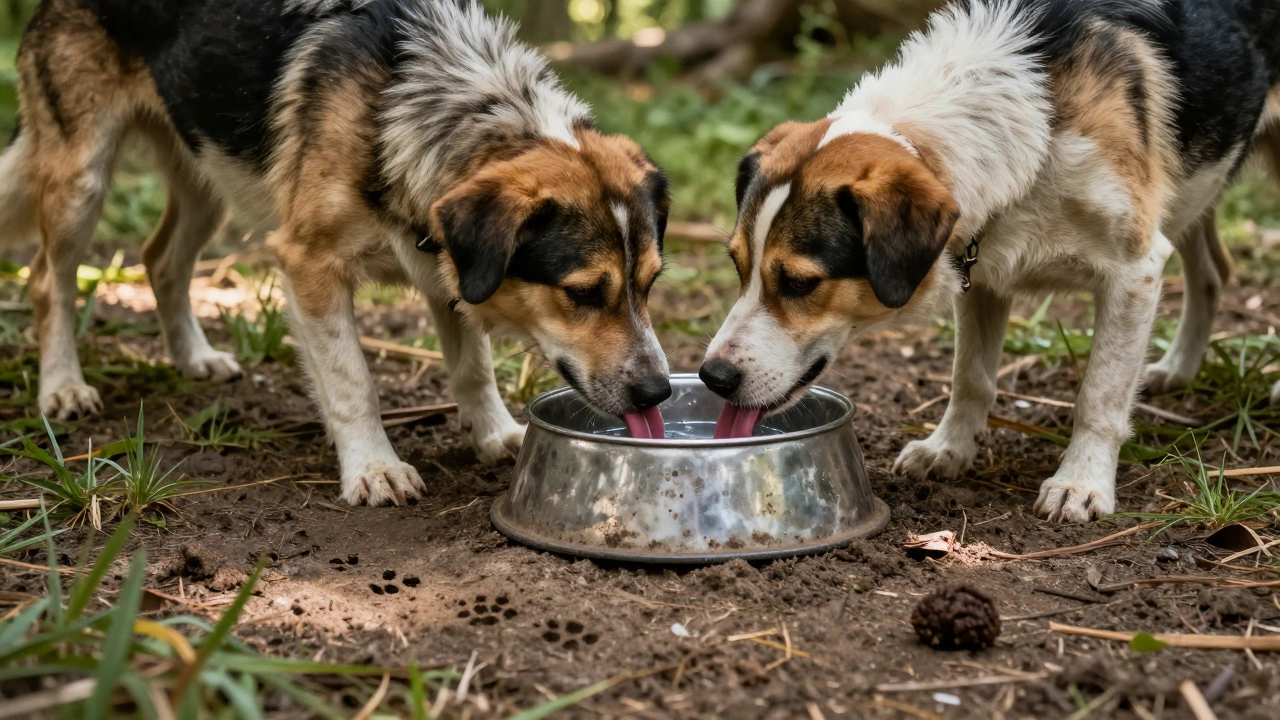
Parvovirus, or parvo, isn’t just floating in the air. It doesn’t jump from dog to dog like a cold. It survives for months-even years-in the environment. A single gram of infected feces can contain over a billion virus particles. That’s enough to infect thousands of dogs. The virus shows up where infected dogs have been: dirt, grass, gravel, pavement, and yes-water bowls. If a dog with parvo poops near the water station at your favorite dog-friendly campsite, the virus lingers. Rain or wind can spread it. Other dogs step in it, lick their paws, and swallow the virus. That’s how it gets into their system. Sharing water doesn’t mean the water itself is infected. It’s the contamination on the bowl, the ground around it, or even the dog’s mouth that transfers the virus. If your dog licks a bowl that another infected dog licked just hours before, you’re at risk.What Happens When a Dog Gets Parvo
Parvo attacks the gut. It destroys the lining of the intestines, which means the dog can’t absorb food or water. Vomiting, bloody diarrhea, and extreme dehydration follow fast. Fever spikes. Energy vanishes. Puppies under six months are most at risk, but unvaccinated adult dogs can get it too. Treatment isn’t simple. There’s no cure for the virus itself. Vets fight it with IV fluids, antibiotics to prevent secondary infections, and intensive care. Costs can hit $2,000 to $5,000. Even then, survival isn’t guaranteed. One study from the American Veterinary Medical Association found that untreated parvo kills over 90% of infected dogs. With treatment, that drops to 70-80%. But that’s still a high risk.Can Dogs Get Parvo from Sharing Water? Yes-Here’s Why
Let’s be clear: water doesn’t carry parvo. But the surfaces around it do. Think of it this way: you’re at a dog-friendly campsite. A dog with parvo drank from the communal water bowl. The virus clings to the plastic or metal. Later, your dog licks the same bowl. Maybe they licked their nose afterward. Maybe they sniffed the ground where the bowl sat. The virus enters through their mouth, nose, or eyes. A 2023 study in the Journal of Veterinary Internal Medicine tracked parvo outbreaks at 17 dog campsites across the U.S. and Canada. In 6 of those cases, the only common factor was shared water sources. No direct dog-to-dog contact. No shared toys. Just water bowls. It’s not about the water. It’s about the bowl-and the environment around it.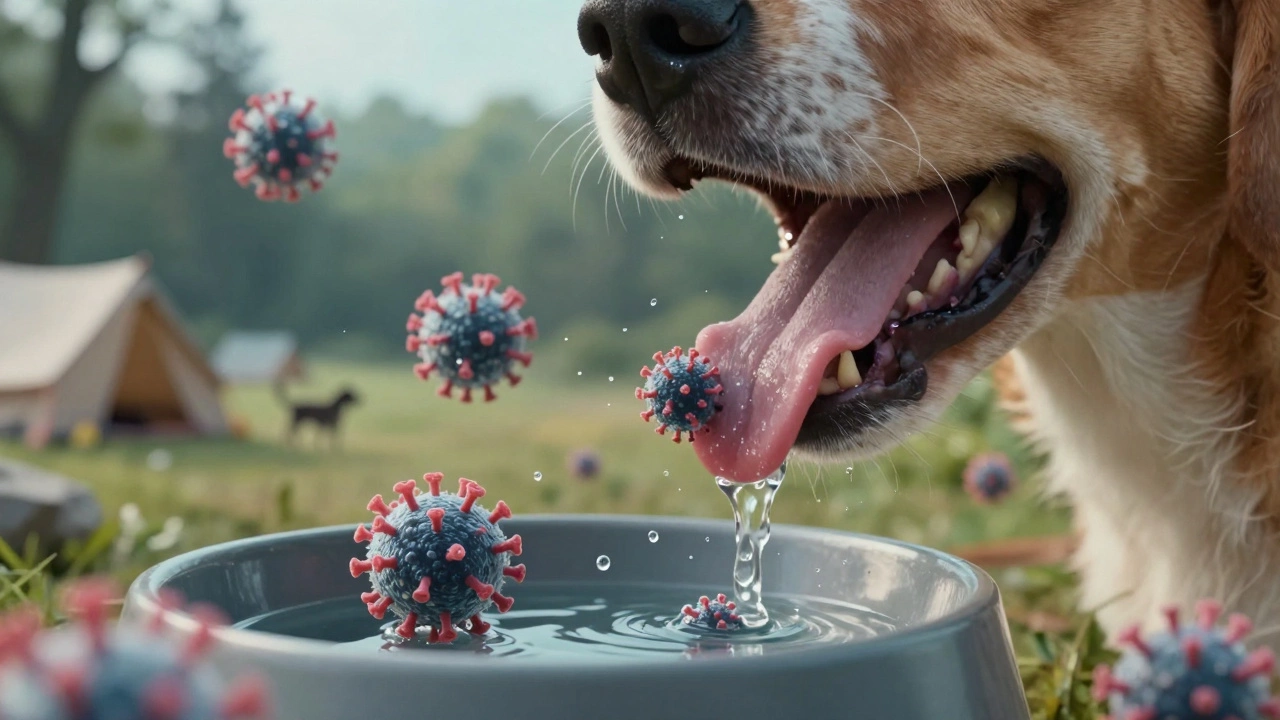
How to Protect Your Dog at Campsites
You don’t have to avoid campsites. But you do need to be smart.- Bring your own water bowl. Don’t use the campsite’s. Clean it daily with hot, soapy water. Rinse well.
- Don’t let your dog drink from puddles, streams, or standing water. Even if it looks clean, it could be contaminated by another dog’s waste.
- Wipe your dog’s paws after walks. Use a damp cloth or pet-safe wipes. Parvo sticks to fur and paws.
- Keep your dog away from areas where other dogs have pooped. If you see poop, even a little bit, steer clear. Don’t let your dog sniff or step in it.
- Never share bowls, toys, or bedding. Even if the other dog looks healthy, they could be shedding the virus.
Vaccination Is Your Best Shield
The only real defense against parvo is vaccination. Puppies need a series of shots-usually at 6, 8, 12, and 16 weeks. Then a booster at one year. After that, most vets recommend every three years. But here’s the catch: some owners think, “My dog never goes to the vet, so they’re fine.” That’s dangerous. Parvo doesn’t care if your dog is “lucky.” It only cares if they’re unprotected. A 2024 survey of 1,200 Australian dog owners found that 38% of dogs diagnosed with parvo were fully vaccinated. That sounds alarming-but it’s not a failure of the vaccine. Those dogs were either too young (not done with their shots), had a medical condition that weakened their immune response, or were exposed to an overwhelming viral load. Vaccination doesn’t guarantee 100% protection, but it reduces the risk by 95% or more. And if a vaccinated dog does get parvo, their symptoms are usually much milder.What to Do If You Suspect Parvo
If your dog starts vomiting, has diarrhea (especially bloody), seems weak, or won’t eat, don’t wait. Call your vet immediately. Time is everything. Don’t try home remedies. Don’t give them over-the-counter meds. Parvo is not something you can treat at home. Delaying treatment increases the chance of death. If you’re camping far from a vet, call ahead. Ask if they have parvo isolation protocols. Many clinics have separate entrances for sick animals to avoid spreading the virus to other pets.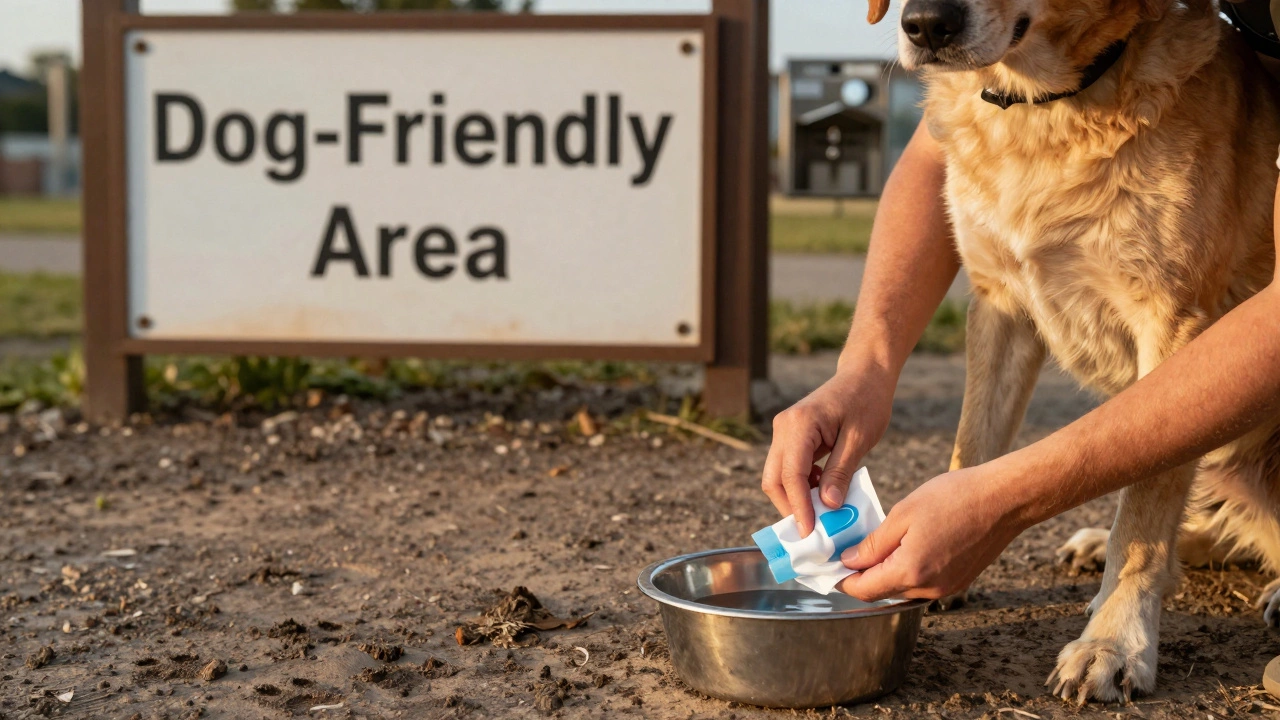
Is It Safe to Take My Dog to a Dog-Friendly Campsite?
Yes-if you take the right steps. Dog-friendly campsites aren’t the problem. The problem is assuming that because it’s “dog-friendly,” it’s automatically safe. Many sites don’t clean water bowls daily. Some don’t even have rules about picking up poop. Before you go:- Check the site’s website or call. Ask: “Do you clean shared water bowls daily?”
- Look for signs of poop near water stations or common areas.
- Bring disinfectant wipes (pet-safe) to clean the bowl before use.
- Choose campsites with paved or gravel areas over muddy ones-parvo survives longer in damp soil.
What About Other Dogs? Should I Keep My Dog Away?
You don’t need to isolate your dog completely. But be cautious. If another dog looks sick-lethargic, vomiting, diarrhea-keep your dog at least 10 feet away. Don’t let them sniff each other’s faces or share water. If you know a dog at the campsite has parvo, avoid the area entirely. The virus can stay active in the soil for over a year. That means even if the dog is gone, the ground is still dangerous.Final Thought: Prevention Beats Panic
Parvo is scary. But it’s preventable. You don’t need to avoid camping with your dog. You just need to treat every shared surface like it could be contaminated. Bring your own bowl. Keep your dog vaccinated. Watch where they walk. Clean up after them. Don’t assume the campsite is clean just because it’s labeled “dog-friendly.” Your dog’s life depends on the little things you do every day. One extra step-like not letting them drink from a shared bowl-could mean the difference between a great trip and a nightmare.Can dogs get parvo from drinking the same water as another dog?
Not from the water itself, but yes-if the water bowl or surrounding area is contaminated with feces from an infected dog. The virus clings to surfaces, and your dog can swallow it by licking the bowl or paws that touched it.
How long does parvo live on surfaces?
Parvo can survive on hard surfaces like concrete or metal for up to 6 months. In soil, especially damp soil, it can last over a year. That’s why cleaning and disinfecting bowls and avoiding muddy areas is so important.
Can a vaccinated dog still get parvo?
It’s rare, but possible. Vaccination reduces risk by 95% or more. A vaccinated dog might still get infected if they’re exposed to a very high viral load, are very young and haven’t finished their shots, or have a compromised immune system. But symptoms are usually much milder.
What’s the best way to clean a water bowl after another dog used it?
Use a bleach solution: 1 part bleach to 30 parts water. Soak the bowl for 10 minutes, then rinse thoroughly with clean water. Let it air dry. Regular soap and water won’t kill parvo-only bleach or veterinary disinfectants will.
Are certain dog breeds more at risk for parvo?
Yes. Rottweilers, Doberman Pinschers, American Staffordshire Terriers, and Labrador Retrievers are statistically more likely to develop severe cases. But any unvaccinated dog, regardless of breed, is at risk. Age matters more than breed-puppies under six months are most vulnerable.