Camping Fees in the UK: 2026 Price Guide & Cost Breakdown
 Jul, 16 2026
Picture this: you’ve packed your tent, loaded up the car, and are ready for a weekend of fresh air and starry skies. Then you check the booking site, and the price hits you like a cold shower. £40? For two people and a dog? It feels steep when you remember that wild camping used to be free. The truth is, the cost of camping in the UK has shifted dramatically over the last few years. Inflation, land scarcity, and a surge in demand have pushed average nightly rates higher than many seasoned campers expect.
If you’re planning a trip in 2026, understanding these costs isn’t just about budgeting-it’s about knowing where your money goes and how to stretch it. You don’t need to break the bank to enjoy the outdoors, but you do need to know the difference between a basic pitch, a luxury bell tent, and the legal risks of sleeping on public land. Let’s break down exactly what you’ll pay, why prices vary so wildly, and how to find the best value for your next adventure.
The Average Cost of a Campsite Pitch in 2026
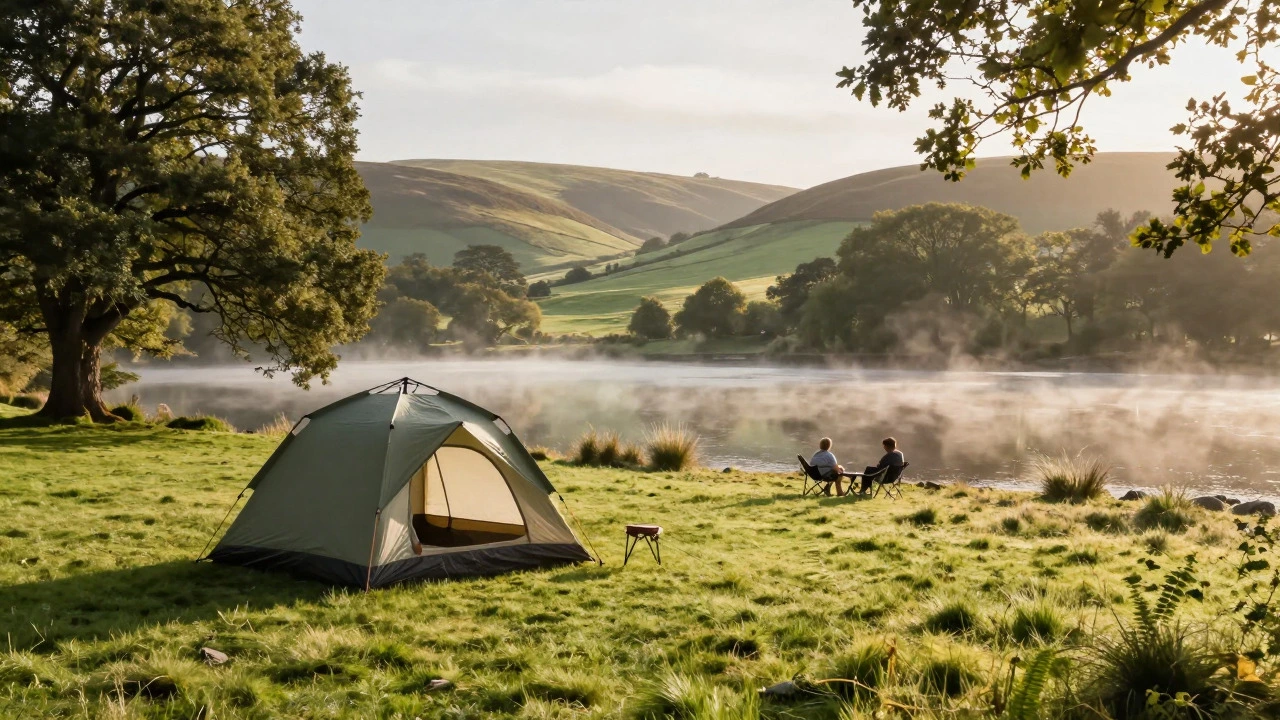
So, what is the baseline? If you book a standard campsite pitch in the UK today, you’re looking at an average of £15 to £25 per night for a family tent with two adults and two children. This figure includes access to basic facilities like toilets, showers, and a washing-up area. However, "average" can be misleading because the range is huge. A basic spot in a less popular county park might cost you £8, while a prime location on the Jurassic Coast or near Edinburgh could easily hit £35 or more during peak season.
Several factors drive these numbers. First, there’s the type of accommodation. A simple grassy patch is cheaper than a hardstanding pitch (concrete base) which protects your tent from mud and offers better drainage. Second, there’s the location. Campsites in National Parks, such as the Lake District or Snowdonia, command a premium due to high demand and strict environmental management. Finally, there’s the timing. Booking last minute in July or August will cost you significantly more than securing a spot in May or September.
| Accommodation Type | Low Season (Apr-Jun/Sep-Oct) | Peak Season (Jul-Aug/Bank Holidays) | Key Features Included |
|---|---|---|---|
| Basic Tent Pitch (Grass) | £10 - £18 | £20 - £30 | Toilets, Showers, Washing Up |
| Hardstanding Pitch | £15 - £25 | £25 - £40 | Electric Hookup (optional), Better Drainage |
| Caravan/Motorhome Spot | £20 - £30 | £35 - £50+ | Full Hookup (Water/Electric/Waste) |
| Glamping (Bell Tent/Yurt) | £60 - £90 | £100 - £150+ | Furniture, Bedding, Often Private Bathroom |
Hidden Costs That Add Up Fast
The nightly rate is only part of the story. Many campers are caught out by additional charges that aren’t always obvious at checkout. These "hidden" costs can add 10-20% to your total bill if you’re not careful.
- Electricity Hookups: If you’re bringing a caravan or want to charge devices, most sites charge extra for electric hookups. Expect to pay between £3 and £6 per night. Some sites include this in the base price, but many treat it as an add-on.
- Pets: Love taking your dog along? Many campsites charge a pet fee, typically ranging from £2 to £5 per night per animal. Always check if there are breed restrictions too.
- Booking Fees: If you book through third-party platforms like PitchUp or Cool Camping, they often add a service fee of 5-10%. Booking directly with the campsite usually avoids this.
- Facility Access: While basic toilets are included, some sites charge for hot showers (£1-£2 per use) or laundry facilities. Wi-Fi is rarely free; expect to pay for a daily pass if you need to stay connected.
- Arrival/Departure Times: Strict check-in times (usually after 2 PM) mean you might need to wait around or pay for early arrival if you arrive at noon. Late departures beyond 10 AM can also incur half-day charges.
Wild Camping: Is It Really Free?
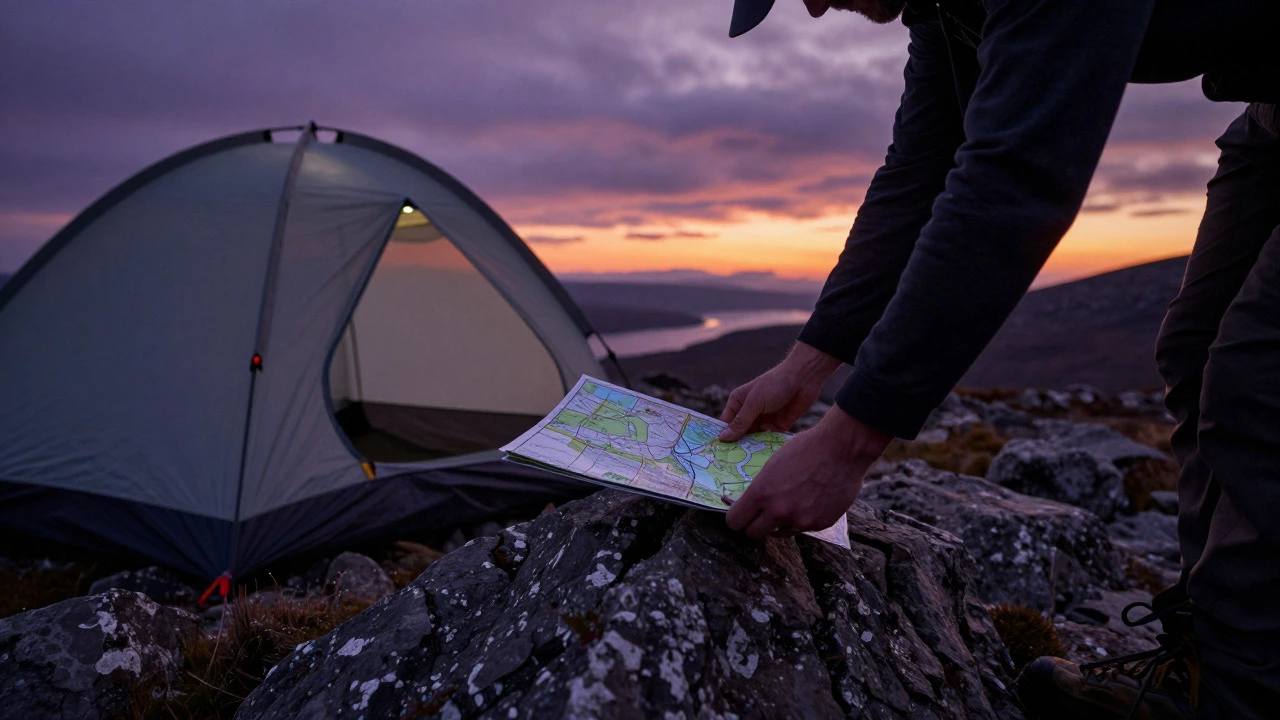
This is the big question. In Scotland, thanks to the Land Reform Act 2003, you have a legal right to wild camp almost anywhere, provided you follow the Scottish Outdoor Access Code. This means no fees, no bookings, and total freedom. Just remember: "take nothing but photos, leave nothing but footprints." Fires are generally discouraged unless you have a designated fire pit, and you must move on after two or three nights.
In England, Wales, and Northern Ireland, the rules are much stricter. Wild camping is technically trespassing on private land. While it’s tolerated in some remote areas like the Lake District (though even there, permissions are tightening), you risk being asked to leave or facing fines if you camp in protected areas like National Trust land without permission. The "cost" here isn’t monetary-it’s the stress of potential eviction and the ethical responsibility to respect landowners.
If you want the wild experience without the legal grey areas, consider designated wild camping zones. Some local councils and landowners now offer paid wild camping spots. These are small, marked areas where you can pitch for a low fee (often £5-£10 per night) via an app. This supports conservation efforts and gives you peace of mind.
Budget vs. Luxury: Choosing Your Value
Not all camping is created equal. Your budget should align with your comfort needs. Here’s how to decide where to spend your money.
For Budget Travelers: Look for Youth Hostels or Camp Britain sites. These organizations offer affordable pitches, often with communal kitchens that save you money on food. Avoid peak weekends. Book mid-week stays, which can be 30-50% cheaper. Also, consider camping further from major tourist hubs. A site in rural Yorkshire might cost half as much as one in Cornwall.
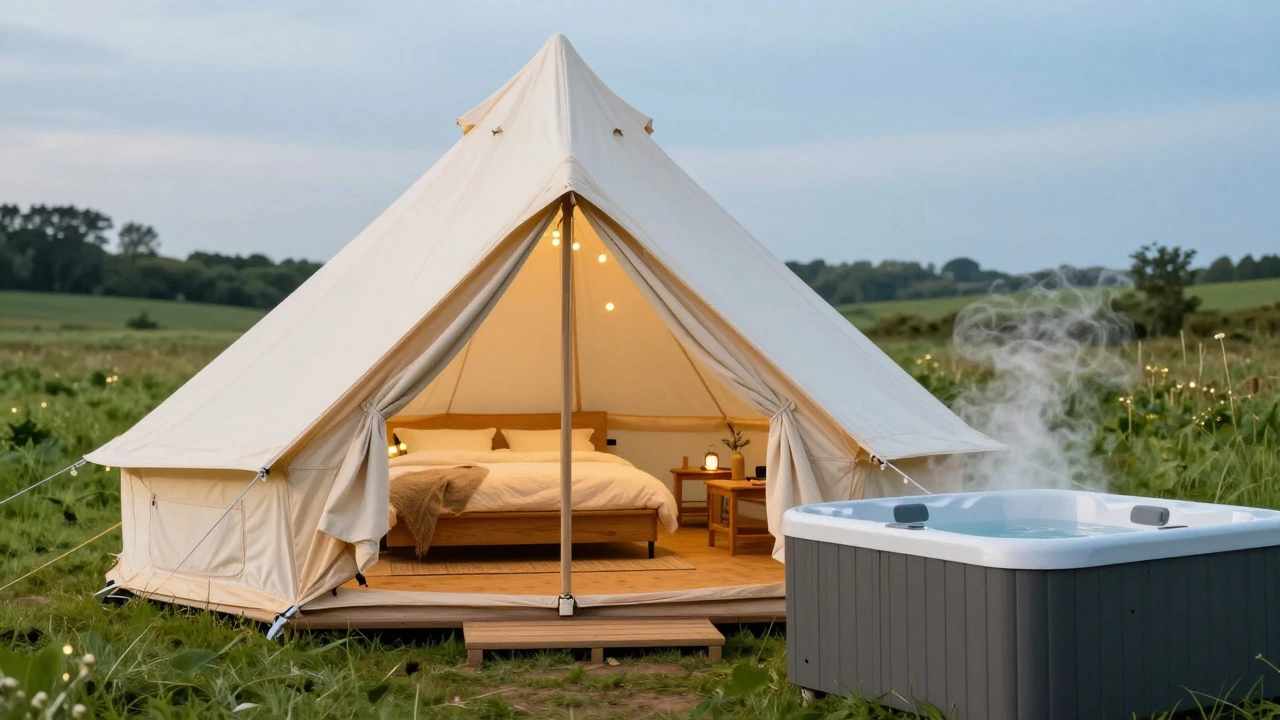
For Comfort Seekers: If you’re willing to pay more, look for glamping options. Glamping ranges from bell tents with wooden floors to fully equipped cabins. Prices start around £80 per night but can exceed £200 for luxury setups with private hot tubs. The value here is convenience: no setup, no bug bites, and often better amenities like en-suite bathrooms and breakfast delivery.
For Families: Prioritize sites with kids’ clubs and safe swimming areas. Yes, they cost more, but the savings come from reduced stress and fewer complaints from tired children. Look for sites that offer "family passes" for activities like archery or fishing, which can be expensive if booked separately.
How to Save Money on Camping in 2026
You don’t have to accept the sticker shock. Here are practical strategies to cut costs without sacrificing enjoyment.
- Book Early or Last Minute: The sweet spot for discounts is either 3-6 months in advance (early bird rates) or within 48 hours of arrival (last-minute deals). Sites prefer to fill empty spots rather than leave them vacant.
- Join Membership Clubs: Organizations like the Caravan and Motorhome Club or Wildland offer members-only discounts at partner sites. The annual membership fee often pays for itself after two trips.
- Travel Off-Peak: May, June, and September offer similar weather to July but with lower prices and fewer crowds. Bank holidays are the most expensive times to camp; avoid them if possible.
- Cook Your Own Food: Most campsites have kitchen facilities. Using them instead of buying site meals or eating out can save you £20-£30 per day. Bring a portable stove and cooler box.
- Use Comparison Apps: Apps like PitchUp allow you to filter by price and read recent reviews. Look for sites with high ratings but lower prices-these are often newer sites trying to build their reputation.
Regional Price Differences Across the UK
Where you camp matters just as much as when. Prices vary significantly by region due to local demand and land costs.
- South East England: Highest prices. Proximity to London drives up demand. Expect to pay 20-30% more than the national average.
- Scotland: Moderate prices, except in popular areas like the Highlands and Islands. Wild camping reduces costs significantly.
- Wales: Competitive pricing, especially in coastal areas. Good value for families.
- Northern England: Generally affordable, with many historic sites offering reasonable rates. The Lake District is an exception due to its popularity.
- Ireland (Northern): Similar to Northern England, with some unique B&B-style camping options that blend affordability with comfort.
Is wild camping free in England?
No, wild camping is not legally free in England. It is considered trespassing on private land. While it may be tolerated in remote areas, you can be asked to leave. In Scotland, however, wild camping is a legal right under the Land Reform Act 2003, provided you follow responsible guidelines.
What is the cheapest way to camp in the UK?
The cheapest option is wild camping in Scotland, which is free. For paid camping, look for Youth Hostel Association (YHA) sites or local council parks outside peak season. Booking mid-week and avoiding bank holidays also significantly reduces costs.
Do I need to pay for electricity at a campsite?
Most campsites charge extra for electric hookups, typically £3-£6 per night. Some luxury or all-inclusive sites may include it in the base price, so always check the details before booking. If you’re using a caravan or motorhome, this is a necessary cost for running appliances.
Are dogs allowed at UK campsites, and does it cost extra?
Many UK campsites are dog-friendly, but policies vary. Most charge a small fee per dog per night, usually between £2 and £5. Always check breed restrictions and whether dogs are allowed on beaches or in certain areas of the site.
When is the best time to book for the lowest prices?
To get the lowest prices, book either 3-6 months in advance for early-bird discounts or within 48 hours of your trip for last-minute deals. Avoid booking during school holidays and bank weekends, as prices surge during these periods.