BLM Land in Wisconsin: The Truth About Public Camping
 Sep, 21 2026
Wisconsin Public Land Camping Finder
Since there is no BLM land in Wisconsin, use this tool to determine which agency's lands best fit your camping style.
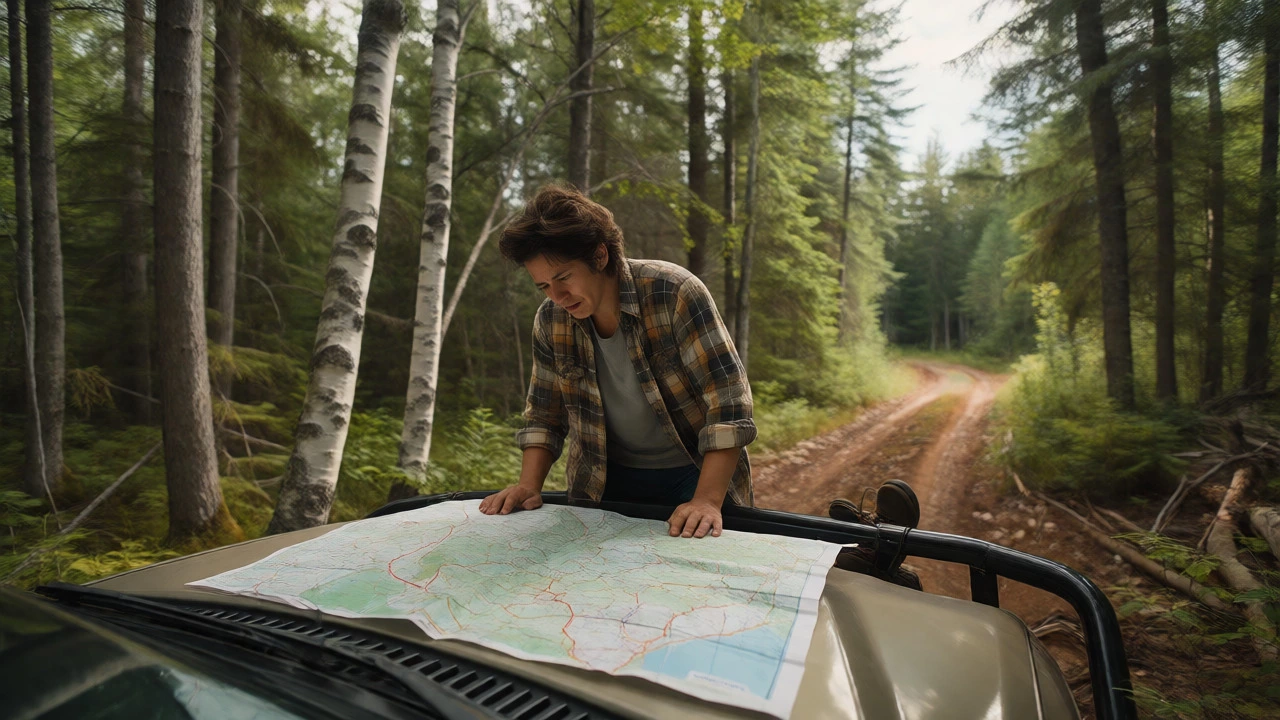
If you’re scanning a map of the United States looking for Bureau of Land Management (BLM) land in Wisconsin, you’re going to be disappointed. Here’s the hard truth: there is no BLM land in Wisconsin. The agency simply doesn’t own or manage any parcels in the state. But before you pack up your tent and drive west to Nevada or south to Texas, take a breath. You haven’t lost your chance to camp on free, public land. You’ve just been looking at the wrong acronym.
Wisconsin is actually one of the best states in the Midwest for outdoor enthusiasts who want to escape the crowds of private campgrounds. While the BLM dominates the West, Wisconsin relies on a different mix of federal, state, and county agencies to provide accessible camping. If you know where to look, you can find plenty of spots that offer the same freedom as BLM land-no reservations, low costs, and direct access to nature. Let’s break down exactly who owns the land here and how you can use it.
Why Isn’t There BLM Land in Wisconsin?
To understand why you can’t find a BLM permit in Madison, you have to look at history. The BLM was created to manage the vast, unclaimed public domain lands left over after the original thirteen colonies and subsequent states were formed. These lands are mostly in the western half of the U.S., where the federal government retained ownership when territories became states.
Wisconsin, however, was admitted to the Union in 1848 with a different land distribution model. Most of its forested areas were either privately owned, held by Native American tribes, or managed by other federal agencies like the U.S. Forest Service. When the BLM was formally established in 1946, it inherited lands from the General Land Office, but those holdings didn’t extend into Wisconsin. So, if you see a "BLM" tag on a camping app for Wisconsin, it’s likely a user error or a mislabeled county park.
The Real Federal Option: USFS Lands
Since the BLM isn’t an option, your primary target for federal camping is the U.S. Forest Service (USFS), which manages two major national forests in Wisconsin: the Chequamegon-Nicolet National Forest and the Ottawa National Wildlife Refuge (though the refuge has specific rules). The Chequamegon-Nicolet is massive, covering about 1.5 million acres across northern Wisconsin. This is your closest equivalent to BLM land.
| Agency | Land Type | Camping Cost | Reservation Needed? | Best For |
|---|---|---|---|---|
| USFS | National Forests | $0 - $15/night | Usually No | Dispersed camping, fishing |
| Wisconsin DNR | State Parks/Forests | $10 - $30/night | Yes (Peak Season) | Amenities, families |
| County Parks | Local Recreation | $0 - $20/night | Sometimes | Quick getaways |
In the Chequamegon-Nicolet, you can practice "dispersed camping." This means setting up your tent outside of designated campgrounds, usually within 200 feet of a road or trail. It’s free, first-come, first-served, and perfect if you want privacy. Just remember the golden rule: pack out everything you pack in. The USFS doesn’t have trash cans in these remote zones.
Wisconsin DNR: The Heavy Lifter
While the feds handle the big forests, the Wisconsin Department of Natural Resources (DNR) manages the majority of accessible public land. They oversee state parks, state forests, and wildlife areas. Unlike the strict wilderness feel of some western BLM lands, Wisconsin DNR sites often strike a balance between accessibility and nature.
Here’s the catch: popular state parks like Potawatomi State Park or Devil’s Lake State Park require reservations months in advance during summer. But don’t let that scare you off. The DNR also manages dozens of smaller "state forests" and "wildlife areas" that allow walk-in camping or even vehicle camping without a reservation. These spots are often overlooked because they lack the famous names, but they offer similar solitude to what you’d expect from BLM land.
Pro tip: Check the DNR’s online booking system for "non-reservable" sites. Many campgrounds release blocks of sites daily at 7 AM Central Time. If you’re flexible, you can snag a spot for under $15 a night with electric hookups, which beats the price of most private RV parks.
Hidden Gems: County and Municipal Forests
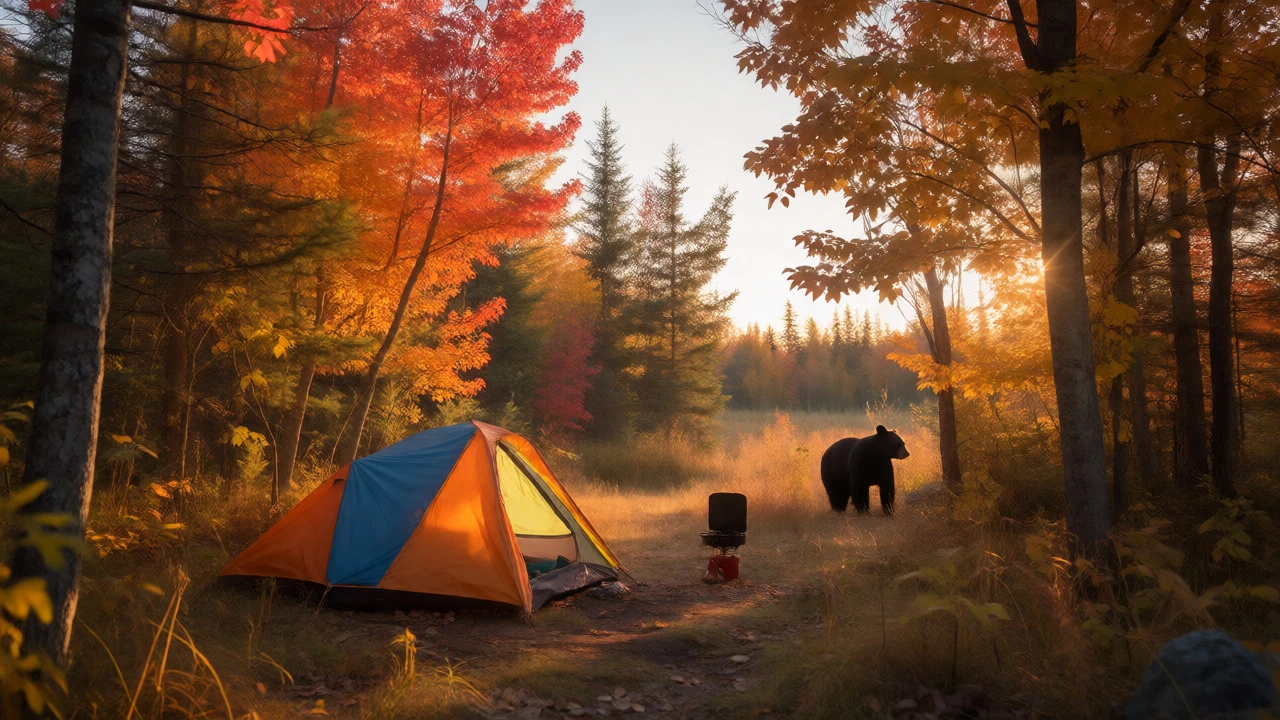
If you’re willing to dig deeper, county forests are the secret weapon for Wisconsin campers. Counties like Ashland, Bayfield, and Iron manage thousands of acres of timberland open to the public. These aren’t polished parks with playgrounds; they’re working forests with logging roads, small lakes, and quiet clearings.
Most county forests allow free camping along designated trails or near lake shores. You won’t find restrooms or showers, so treat this like true backcountry camping. Bring a portable toilet or be prepared to dig a cathole. The benefit? You’ll rarely see another camper. In late September, when the autumn colors peak, these areas are spectacular and significantly quieter than the state parks.
Rules of the Road: What You Need to Know
Even though there’s no BLM land, the rules for camping on public land in Wisconsin are strict enough to keep things civil. Ignoring them can lead to fines, which range from $50 to several hundred dollars depending on the violation.
- The 14-Day Rule: On most federal and state lands, you can’t camp in the same spot for more than 14 consecutive days. After that, you must move at least five miles away.
- Fires: During dry seasons, fire bans are common. Always check the local ranger station status before lighting a fire. Use existing fire rings whenever possible.
- Leave No Trace: This isn’t just a slogan. In Wisconsin, littering in dispersed areas is a ticketable offense. Carry a trash bag specifically for waste.
- Vehicle Access: Only drive on established roads. Creating new tire tracks through meadows damages the ecosystem and is prohibited.
How to Find Your Spot: Tools and Tactics
Since you can’t rely on BLM maps, you need the right tools. Don’t just trust Google Maps; it often misses dirt roads or marks private land as public. Use specialized apps designed for public land navigation.
- OnX Hunt: Originally for hunters, this app is incredible for showing property boundaries. It clearly distinguishes between private, state, and federal land. The free version shows basic layers; paid versions offer offline maps.
- iOverlander: A community-driven database where campers leave reviews and GPS coordinates. Search for "free camping" in Wisconsin to find recent user experiences.
- DNR Portal: For reserved sites, always book through the official Wisconsin DNR website. Third-party sites sometimes mark sold-out sites incorrectly.
When scouting locations, look for keywords like "dispersed," "primitive," or "walk-in." These indicate lower infrastructure but higher chances of finding space without a reservation. Also, pay attention to hunting seasons. From November to January, many public lands in Wisconsin are open to deer and turkey hunters. Wear blaze orange if you’re camping during these times to stay visible and safe.
Alternatives If You Really Want BLM Vibes
If you’re set on camping on actual BLM land, you’ll need to travel. The nearest BLM-managed lands are in Michigan’s Upper Peninsula, though even there, options are limited compared to the West. Minnesota has some BLM holdings, particularly around the Boundary Waters area, but much of that is managed by the National Park Service or USFS.
For a true BLM experience close to Wisconsin, consider driving to Nebraska or Kansas. These states have significant BLM acreage with desert-like terrain and wide-open skies. It’s a longer drive-six to eight hours from Milwaukee-but if you’re planning a road trip, it’s worth considering. Alternatively, explore the National Grasslands in South Dakota, which share similar management principles with BLM lands.
Final Thoughts: Embrace the Local Landscape
Don’t let the absence of BLM land discourage you. Wisconsin offers a unique camping experience that blends dense forests, crystal-clear lakes, and rolling hills. The key is shifting your mindset from "finding BLM land" to "finding public land." Whether it’s the rugged trails of the Chequamegon-Nicolet, the scenic overlooks of Potawatomi, or the quiet logging roads of Ashland County Forest, the opportunities are abundant.
Start small. Pick a state forest within an hour of your home. Go mid-week to avoid crowds. Pack light and respect the land. You’ll quickly realize that you don’t need a federal agency from the Wild West to enjoy the freedom of sleeping under the stars. Wisconsin’s public lands are ready for you-they just go by different names.
Can I camp anywhere in Wisconsin forests?
No, not everywhere. You must stick to designated campgrounds or allowed dispersed camping zones. Private land makes up a huge portion of Wisconsin's forests, so always verify land ownership using tools like OnX Hunt before setting up your tent. Unauthorized camping on private land is trespassing.
Is dispersed camping free in Wisconsin?
Yes, dispersed camping on U.S. Forest Service land and many county forests is typically free. However, some state forests may charge a small daily fee or require a permit. Always check the specific signage at the trailhead or contact the local ranger district office for current regulations.
What is the difference between BLM and USFS land?
The Bureau of Land Management (BLM) primarily manages arid public lands in the Western U.S., focusing on multiple uses like grazing and mining. The U.S. Forest Service (USFS) manages forested lands nationwide, including Wisconsin, focusing on conservation, recreation, and sustainable timber harvesting. In Wisconsin, USFS is the relevant federal agency.
Do I need a permit to camp in Wisconsin State Parks?
You need a vehicle admission sticker to enter state parks, and you generally need a reservation for campsites during peak season (May-October). Some parks offer first-come, first-served sites, but availability is unpredictable. Off-season camping is often easier and cheaper, with fewer restrictions.
Are there bears in Wisconsin camping areas?
Yes, black bears are present throughout Wisconsin, especially in northern counties and forested areas. While attacks are rare, proper food storage is critical. Use bear-resistant containers or hang food 10 feet high and 4 feet out from tree trunks. Never cook or eat inside your tent.