Are Wild Camping Fires Allowed in the UK? Here's What You Need to Know
 Mar, 9 2026
Wild Camping Fire Permit Checker
Check Your Fire Permit Status
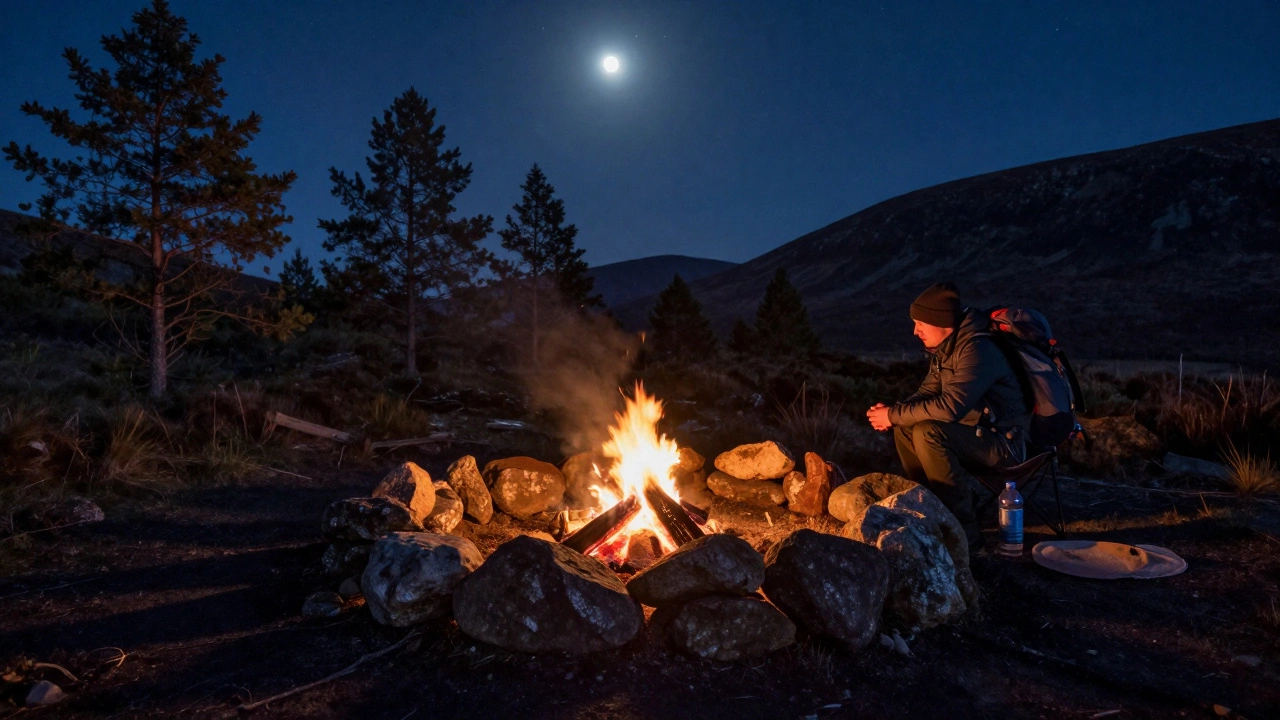
There’s a quiet magic to sitting by a campfire under the stars, the smell of woodsmoke mixing with pine and earth. But if you’re planning a wild camping trip in the UK and thinking of lighting a fire, you need to know the rules - because they’re not the same everywhere. Wild camping fires aren’t banned outright across the UK, but where and how you can light them depends entirely on where you are, who owns the land, and the current weather conditions.
Scotland: The Only Place Where Wild Camping Is Legal (With Rules)
Scotland is the only part of the UK where wild camping is generally legal, thanks to the Land Reform (Scotland) Act 2003. This law gives you the right to camp on most unenclosed land, as long as you follow the Scottish Outdoor Access Code. That includes fire rules.
You can light a fire in Scotland - but only if you do it responsibly. No burning in forested areas during dry spells. No leaving smoldering embers. No using driftwood from beaches (it’s habitat for insects and crustaceans). And absolutely no fires near historic structures, archaeological sites, or protected wildlife areas. Most experienced wild campers use a small, contained fire - like a ring of stones - and keep it under 30 cm tall. They also carry water or sand to fully extinguish it before leaving.
Real talk: if you see a fire pit already there, don’t assume it’s okay to use. Many are abandoned or unsafe. Better to bring a portable stove. But if you do choose fire, make sure it’s small, supervised, and gone before you sleep.
England and Wales: Mostly Illegal - Unless You Have Permission
In England and Wales, wild camping without permission is trespassing. That includes lighting fires. Even if you’re miles from the nearest house, you’re still on private land - and landowners can legally ask you to leave or call the police.
There are exceptions. Some landowners allow camping, especially in remote areas like the Lake District, Dartmoor, or the Brecon Beacons. But even then, fires are rarely permitted unless explicitly stated. Dartmoor is the only national park in England where limited wild camping is tolerated - but fires are still banned in most areas, especially during summer. The Moorland National Park Authority clearly states: “Open fires are prohibited due to the risk of peat fires and damage to fragile ecosystems.”
Peat bogs are everywhere in the UK uplands. Once they catch fire, they burn underground for weeks. They’re not like forest fires - they’re slow, invisible, and nearly impossible to put out. A single carelessly lit fire in the Peak District or the Pennines could destroy centuries of peat and release tons of stored carbon. That’s why fire bans are taken seriously.
What About Northern Ireland?
Wild camping is not legally protected anywhere in Northern Ireland. You need explicit permission from the landowner to camp - and that includes fires. Most landowners won’t allow fires unless you’re in a designated campsite. There are no widespread informal camping areas like in Scotland. If you’re caught lighting a fire without permission, you could face fines or be asked to leave immediately.
Weather and Fire Risk: The Real Decider
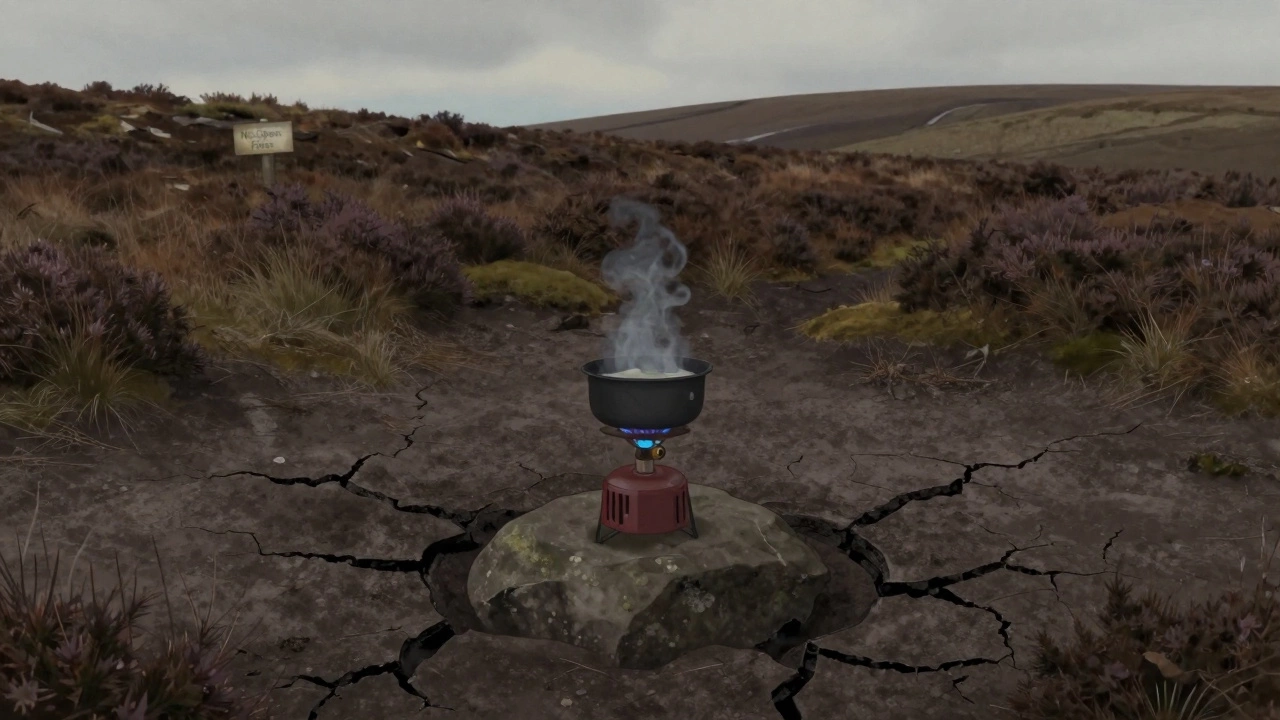
Even where fires are technically allowed, weather changes everything. The UK’s wildfire risk is rising. In 2022, over 1,000 wildfires burned across the country - many started by campers. The UK Fire and Rescue Services now use a Wildfire Risk Index that’s updated daily. If the index is “high” or “very high,” all open fires are banned - even in places where they’re usually okay.
Check the UK Met Office wildfire risk map before you go. If it says “high risk,” don’t light a fire. Period. Use a gas stove instead. It’s safer, cleaner, and faster. And if you’re in a drought year - which is becoming more common - local councils and landowners will issue emergency bans. You won’t get a warning. You’ll just be told to put it out.
What Happens If You Get Caught?
Most of the time, you won’t get arrested. But you might get a fine, especially if you’re in a protected area. In Scotland, you could be fined up to £500 under the Outdoor Access Code if you cause damage. In England, trespassing with a fire can lead to a £100 fixed penalty notice under the Countryside and Rights of Way Act. If your fire causes a wildfire, you could face criminal charges - and be liable for tens of thousands in firefighting costs.
There’s also the social cost. Landowners and rangers are tired of cleaning up after irresponsible campers. One bad fire can lead to entire regions banning wild camping for years. You’re not just breaking rules - you’re risking access for everyone else.
Alternatives to Open Fires
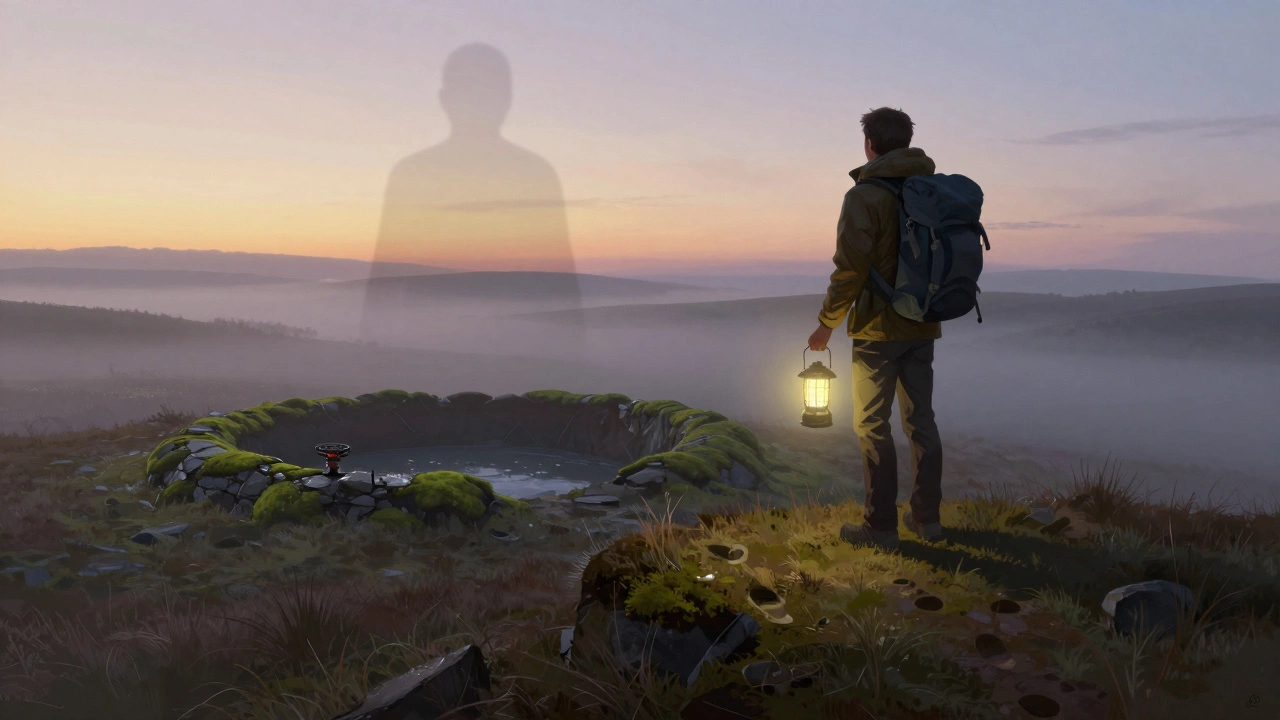
You don’t need a roaring fire to enjoy the outdoors. Modern camping gear makes it easy:
- Portable gas stoves - lightweight, fast, and leave no trace. Brands like Jetboil and MSR are common among UK wild campers.
- Firelighters and fuel tablets - for boiling water or heating meals without flames.
- Thermal mugs - keep coffee hot for hours without needing to reheat.
- LED lanterns - better than firelight for ambiance, and zero fire risk.
Many experienced wild campers say they haven’t used a fire in over five years. The convenience and safety outweigh the nostalgia. Plus, you’ll leave the land as you found it - and that’s the whole point of wild camping.
What to Do If You’re Unsure
When in doubt, assume fires are not allowed. Contact the local landowner, park authority, or visitor center. Most have email or phone lines for campers. The Moorland Association in England and the Outdoor Access Scotland website give clear guidance. Don’t guess. Ask.
Also, check local signs. Many trails and access points now have QR codes that link to fire rules for that area. A quick scan on your phone can save you from a fine - or worse.
Final Rule: Leave No Trace
Wild camping isn’t about taking from the land - it’s about respecting it. A fire might feel like part of the experience, but the real experience is being alone under the stars, quiet and undisturbed. That’s what you’re there for. Not the smoke. Not the crackle. Just the peace.
If you want to light a fire, ask yourself: Is it necessary? Is it safe? Will it leave a mark? If the answer to any of those is no - don’t do it. There’s always a better way.